The Chenab River is one of Pakistan's major and important rivers, playing a crucial role in meeting the water needs of northern Punjab and other regions of Pakistan. Originating from the Indian state of Haryana, it enters Pakistan and flows through various districts before ultimately merging into the Indus River.
Features of the Chenab River:
- Source:
The Chenab River originates from the Kashmir region in the Indian state of Haryana. It flows from areas near the "Chenab Lake" and enters northern Punjab, Pakistan. - Length:
The Chenab River travels approximately 960 kilometers, passing through various parts of Pakistan before joining the Indus River. - Irrigation and Water Resources:
The Chenab River provides vital water resources to the Punjab province of Pakistan, especially to areas like Chiniot, Faisalabad, Sahiwal, and Multan. Its water is crucial for agricultural activities. - Chenab Canal:
The water of the Chenab River is used for agricultural purposes. Several canals have been constructed along its banks, such as the Chenab Canal, which supplies water to agricultural lands. - River Water:
The water of the Chenab River is vital for agriculture, but it also poses a flood risk, especially during the monsoon season when the water level rises. - Chenab Bridge:
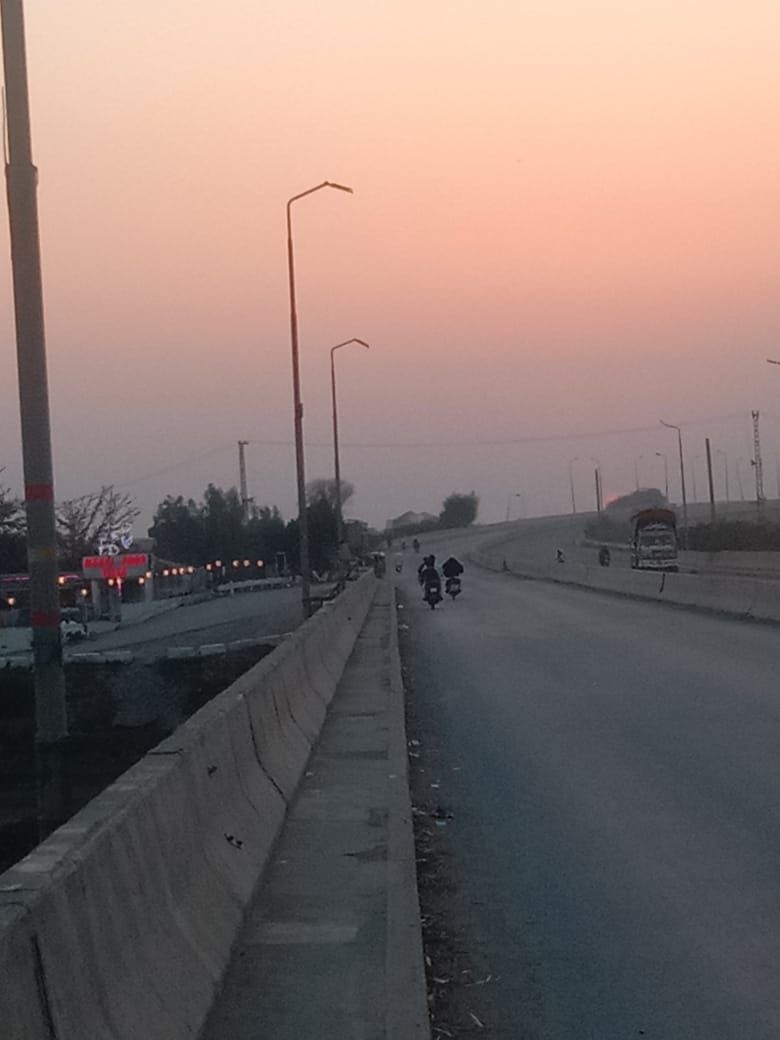
Several bridges and routes have been constructed over the Chenab River, connecting northern and southern Punjab. These bridges facilitate road access.
Cultural and Historical Background of the Chenab River:
The Chenab River is not only important as a natural resource but also has a profound impact on Pakistan's culture, history, and society. Many ancient stories and traditions are associated with this river.
Flooding and Natural Disasters:
The flow of the Chenab River can lead to an increased risk of flooding, especially when the water level rises. These floods can affect various regions, and the government takes measures to manage the risks and ensure the safety of affected areas.
The river significantly influences Pakistan's agricultural sector and natural ecosystem.