
Image Source
Skin cancer is the most common type of cancer in the United States, with an estimated 3.5 million cases of skin cancer diagnosed each year. While skin cancer is largely preventable, many people are unaware of the sun's harmful rays and the risks associated with overexposure. This guide is designed to help you protect yourself from the sun's damaging UV rays, so you can enjoy the outdoors without increasing your risk of skin cancer. Learn about the different types of sunscreen, how to choose the right one for your skin type, and the importance of reapplying often. With the right knowledge and protection, you can enjoy the outdoors and reduce your risk of skin cancer.
Reference Source

Types of Skin Cancer
There are three main types of skin cancer: basal cell carcinoma, squamous cell carcinoma, and melanoma. Although all three types of cancer can appear on the skin, melanoma is the most serious type of skin cancer. The earlier skin cancer is diagnosed, the easier it is to treat and the better the outcome is likely to be. This is why it is important to be aware of the signs of skin cancer and how to prevent it. Basal Cell Carcinoma (BCC) - BCC is the most common type of skin cancer, accounting for about three-quarters of all skin cancers. BCC develops when the skin is damaged by ultraviolet (UV) radiation and the inflammation promotes excessive growth of tissues. BCC most often develops on areas of the skin that are frequently exposed to the sun, such as the head, face, neck, and hands. BCC generally responds well to treatment and is rarely fatal, but it can be disfiguring. BCC also has a high rate of recurrence, so people who have had BCC are at high risk of developing another BCC at a later date. BCC can be treated by surgical removal, cryosurgery, or laser therapy. BCC can be prevented by protecting the skin from excessive UV radiation by covering the skin with clothing and by using sunscreen. Squamous Cell Carcinoma (SCC) - Squamous cell carcinoma is the second most common type of skin cancer. SCC occurs most often in people with a history of heavy sun exposure, particularly people who have had excessive sun exposure in their youth. SCC is far less common than basal cell carcinoma, with about one-tenth the number of cases. SCC is not as easily treated as basal cell carcinoma, and it is more likely to spread to other parts of the body. SCC can be prevented by protecting the skin from excessive sun exposure by covering the skin with clothing and by using sunscreen. Melanoma - Melanoma is the most serious and dangerous type of skin cancer. Although more than 90% of melanomas are initially confined to the epidermis (the outer layer of the skin), they have the ability to spread to other parts of the body. Because of the potential for melanoma to spread, timely diagnosis and treatment are crucial. Melanoma can be treated when diagnosed in its earliest stages. Early detection of melanoma is crucial, since it can be treated when it is most likely to be cured.
Reference Source
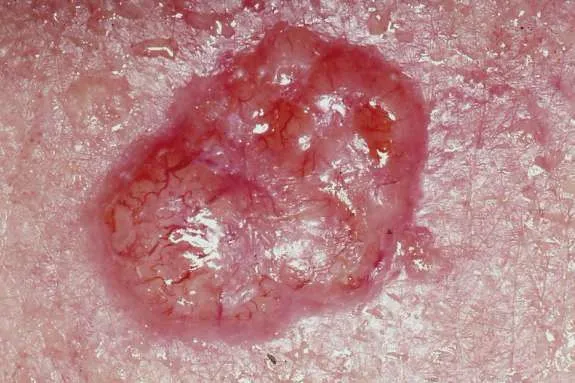
Causes of Skin Cancer
Skin cancer is caused by damage to the skin from harmful ultraviolet (UV) rays from the sun. Skin cancer is most likely to occur in areas of skin that are frequently exposed to sunlight, such as the head, face, hands, and arms. There are two types of ultraviolet radiation: UVA and UVB. Both types of ultraviolet radiation can cause skin damage, increase the risk of skin cancer, and affect the skin's ability to heal. UVA - UVA rays are the longer wavelength ultraviolet rays which penetrate the skin more deeply and are associated with aging and pigmentation changes. UVB - UVB rays are the shorter wavelength ultraviolet rays that cause sunburn and are associated with skin cancers. Overexposure to sunlight is the main cause of skin cancer. Some other factors that can increase your risk of developing skin cancer include: Fair skin that does not easily tan. UV radiation is greater in geographical areas closer to the equator. Skin damage caused by repeated or excessive exposure to the sun. Having a family history of skin cancer.
Prevention Tips
- Stay out of the sun during peak hours. The hours between 10 a.m. and 2 p.m. are when ultraviolet rays are the strongest.
- Apply sunscreen with SPF 15 or higher as part of your daily skin care routine before spending time outdoors. Look for a broad-spectrum sunscreen that protects against both UVA and UVB rays.
- Wear a wide-brimmed hat or an UV-blocking hat and protective clothing, including a long-sleeved shirt and pants. - Avoid tanning beds completely. If you must, limit your time to 10 minutes and always use protective gear.
- See a dermatologist every one to two years for a skin exam. - If you have a family history of skin cancer, talk to your doctor about getting skin cancer screenings at an earlier age.
a. Sunscreen
Sunscreen is an essential part of any skin care routine, and it is important that you choose a high-quality sunscreen. Choosing a high-quality sunscreen can help protect against sun damage, reduce your risk of developing skin cancer, and prevent the signs of premature aging. Some things to look for when choosing a sunscreen:
- Choose a sunscreen that has an SPF of 30 or higher.
- Look for a sunscreen that protects against both UVA and UVB rays. Make sure the sunscreen you choose is broad-spectrum to protect against both UVA and UVB rays.
- Make sure the sunscreen you choose does not contain oxybenzone, octinoxate, or any other chemical that could potentially harm your skin.
- Make sure the sunscreen you choose has an expiration date. Sunscreen will lose its effectiveness after a certain amount of time, even if it has not been used.
b. Protective Clothing
While sunscreen is an important part of any skin care routine, it is also important to choose protective clothing that shields your skin from harmful UV rays. There are many options when choosing clothing that offers sun protection, including long-sleeved shirts, wide-brimmed hats, and UV-blocking sunglasses.
c. Avoiding the Sun During Peak Hours
The best way to protect yourself from damaging UV rays is to avoid the sun altogether during peak hours. If you do need to be outside during those hours, look for shade and wear protective clothing and sunscreen. If you must be outside during peak hours, you can also consider using an indoor tanning bed. Although indoor tanning beds emit UVA rays, they are less intense than UV rays from the sun.
d. Reapplying Sunscreen
Even if you are diligent about applying sunscreen when you go outside, you still may not be getting enough protection. If you apply sunscreen correctly, you should apply one ounce — the amount that would fill a shot glass — every two hours while in the sun. It is also important to apply sunscreen before you go outside, as it can take up to 20 minutes for the sunscreen to be effective. A sunscreen's SPF is a measure of how well it protects against UVB rays. It does not, however, indicate how well it protects against UVA rays. To protect against both types of UV rays, you should look for a sunscreen that says “broad spectrum” on the label. While SPF is a good indicator of how well a sunscreen will work, it is important to understand that it is not a perfect measurement. No sunscreen is perfect, and even a high-quality SPF 30 sunscreen is likely to wear off after a few hours in the sun.
e. Sunglasses
Aside from wearing sunscreen, sunglasses are one of the most important parts of any skin care routine. UV rays can harm your eyes just as much as your skin, and sunglasses can help reduce eye damage. Just as with sunscreen, though, the best sunglasses do not come cheap. Unfortunately, you do have to spend some money to get the best protection. When choosing sunglasses, look for sunglasses that block both UVA and UVB rays, have 100% UV protection, and have a UV protection factor (UPF) of at least 15. Additionally, you should think about the look of your sunglasses and how they will fit into your style.
f. Regular Skin Exams
Regularly visiting a dermatologist for a skin exam is another excellent way to catch skin cancer early and reduce your risk of developing it. During a skin exam, your
Reference:
https://www.mayoclinic.org/diseases-conditions/skin-cancer/symptoms-causes/syc-20377605
https://www.aad.org/public/diseases/skin-cancer/types/common
https://www.skincancer.org/skin-cancer-information/
https://careinthesun.org/sun-protection/skin-protection-from-uv-rays/
https://www.cdc.gov/cancer/skin/basic_info/sun-safety.htm#:~:text=You%20can%20reduce%20your%20risk,you're%20in%20the%20shade.
https://en.m.wikipedia.org/wiki/Skin_cancer