
Horrible scenes occurring all over the world, where landmasses are filled with garbage - most of it is plastic. Humanity has come far with technology but we have also come a far way in destroying our own planet. Our own home. Mostly by plastic pollution. In this Article I am going to cover everything you need to know about plastic, it's devastating effects on the environment and how you can help to clean up and safe the earth.

First Things First: What is Plastic?
Plastics in general are monomers of carbon compromised together to form long durable polymers. Each polymer consisting of thousands monomers. Often oxygen, nitrogen or sulfur is added. Subcategories are duroplasts (durabe and remain shape with heat), thermoplasts (change shape with heat) and elastomeres (elastic and don't need heat to transform). The fact that plastics are made of polymer chains accounts the high durability, through the stacking of polymer chains these molecules become extremely dipolar. Additionally plastics are practically insoluble in water.
C10H8O4 also known as PET (Polyethylene terephthalate)
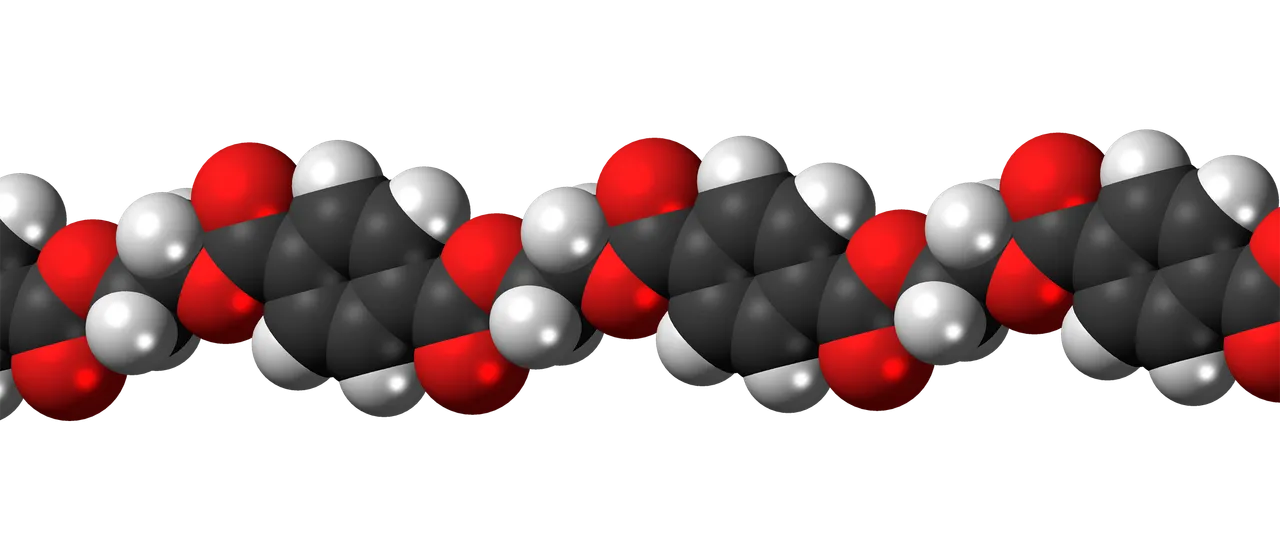
As I mentioned above Plastics are made of carbon. This carbon is gained through excessive pumping of oil out of the inner of the earth where it has been naturally stored for millions of years. This is what makes things really problematic, but more to this later on. The oil is burnt until there are only pure Alkanes. The Alkanes are the monomers which are used to form bonds with starter molecules. An example for a starter molecule would be MBT or also known as Mercaptobenzothiazole. This starter molecules is known to be a carcinogen (Any substance or radiation which is involved in causing cancer/cell mutations).
How does it harm us?
There are various ways plastic can harm us. But it isn't just us it's the whole world which is suffering by the effects of plastics in the environment. I will list the most dangerous threats beneath:
- Plastic in the ocean: The threatening thing with plastics in the oceans is that there are massive "islands" of plastic being formed as small plastic pieces come together and as time passes millions pieces have come together to form an island. These plastic islands can oppose a massive threat for other life species like birds which want to rest on the island and end up eating stuff from there. Thanks to the durability of plastic the pieces will survive for thousands of years if not millions and won't deteriorate.
Plastic which gets washed up on the beach by the waves

- Wildlife eating plastic: As every child knows there are animals which get eaten up by other animals and this cycle continues on. Eventually ending up as a meal on a humans table. This is not just devastating for us humans but for all species involved. Once in an organism they often stay as invisible passengers which can cause defects in genes. As each species reproduces they hand down their genetic defects to the next generation. In an evolutionary perspective this could have massive impacts.
An example for a food chain

- The toxic Molecules: As plastic gets used and torn the polymers and toxic starter molecules can detach from the actual chain and end up in the environment. There is also a risk of the release of the monomeric compounds such as Vinyl chloride from PVC plastic, which is often used for water pipes and similar applications . This has become a massive threat known as microbeads. These microbeads are smaller than 5mm and even pass through the sewage treatment and make their way unfiltered in plants, human bodies or animals. There are even cosmetic and health products which have these microbeads. It's the intention of the producers! They claim that the product benefits and enhances the positive effects (for example the function of the toothpaste).
Microbeads oppose a big threat to the environment

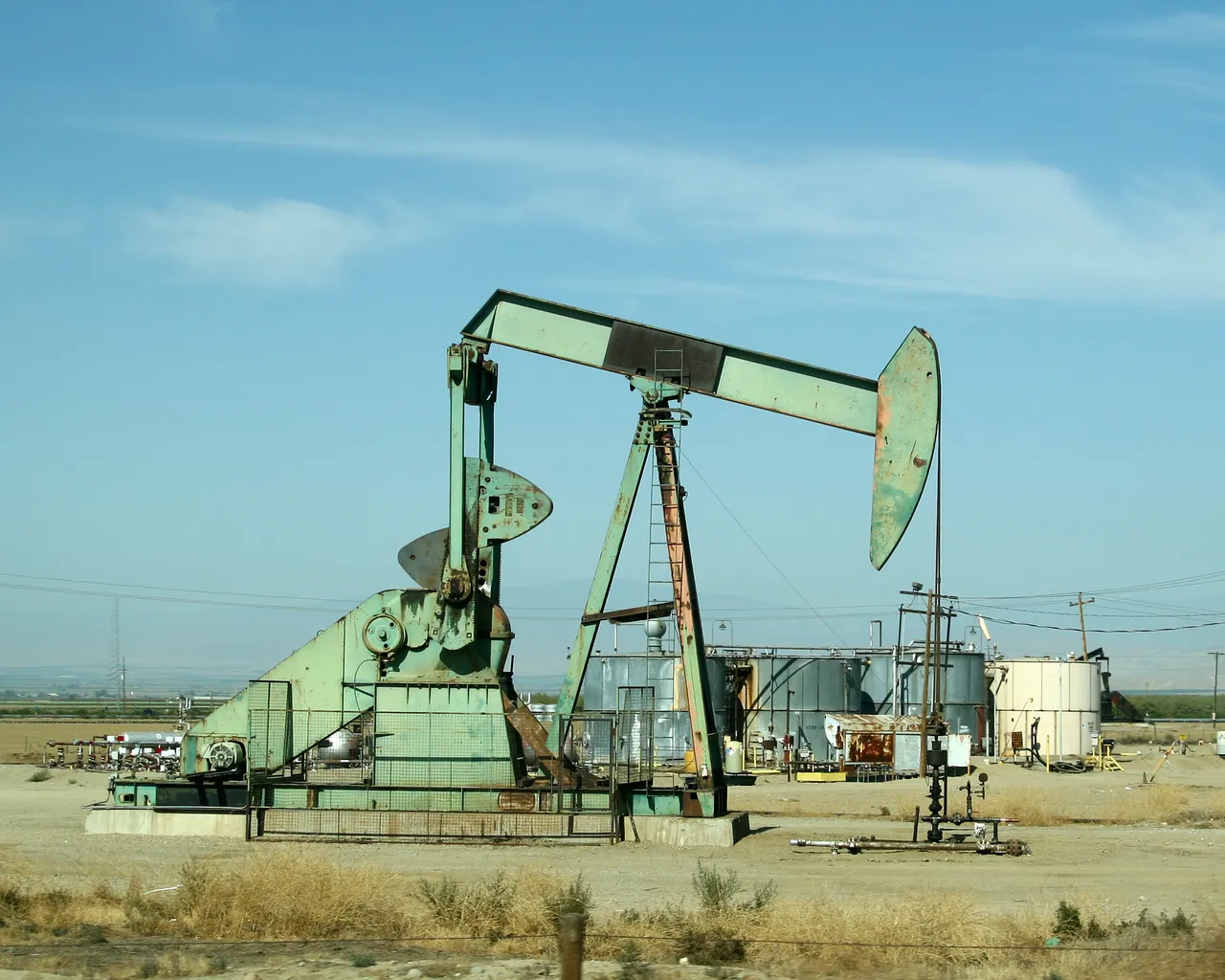
- Pumping up oil: Like I mentioned above plastics are made of carbon which is won through oil processing. Oil is a scarce resource that is won through pumping, fracking or washing sand. The problem here is that the oil has been stored for millions of years beneath the earths surface. There were times when earth was filled with CO2, thus not supporting life. We are approaching these uninhabitable conditions again by taking up these carbon reserves and burn them for our greed of money and materials.
Donkey pump in California, USA
What can I do against all this pollution on the earth?
Now you have read about some of the catastrophic causes on our environment. So how can we start changing something for the better and eventually reversing this pollution. Here are some action steps for the world changers:
Stop or minimize your plastic consumption: I know it is extremely hard to eliminate all plastic usage, though it is possible. Alternatives involve using more glass or even organic materials which can easily be naturally digested by our environment. Become more conscious about what you buy, what you throw away (how you recycle) and which products you buy regardless of the extra buck.
Donate some money/time organisations which you believe in: One example is The Ocean Cleanup They are an innovative foundation which is actively cleaning up the oceans around the world. You could even start to help them with their mission by joining their team! Check out their promotional video:

- Spread the knowledge!: Go and tell everybody about the devastating effects of plastic on the environment! Educate yourself and then go out and educate others. Every inhabitant of the earth needs to know this! So for those who know about the effects already need to spread what they know! Write on any Social Network, Newspaper or propagate with every available medium! If you have kids teach them early on about this topic and make them feel compassion with mother nature.
We need to change how we act with our earth. NOW. We need to think sustainable and pass on a healthy and life supporting planet to our successors.
Thanks for reading and I kindly invite you to participate in the discussion below and to

and resteem to share the knowledge with the world!
All pictures are available under creative commons licenses from Pixabay and Wikimedia and are labeled for reuse.
Kind regards,
