
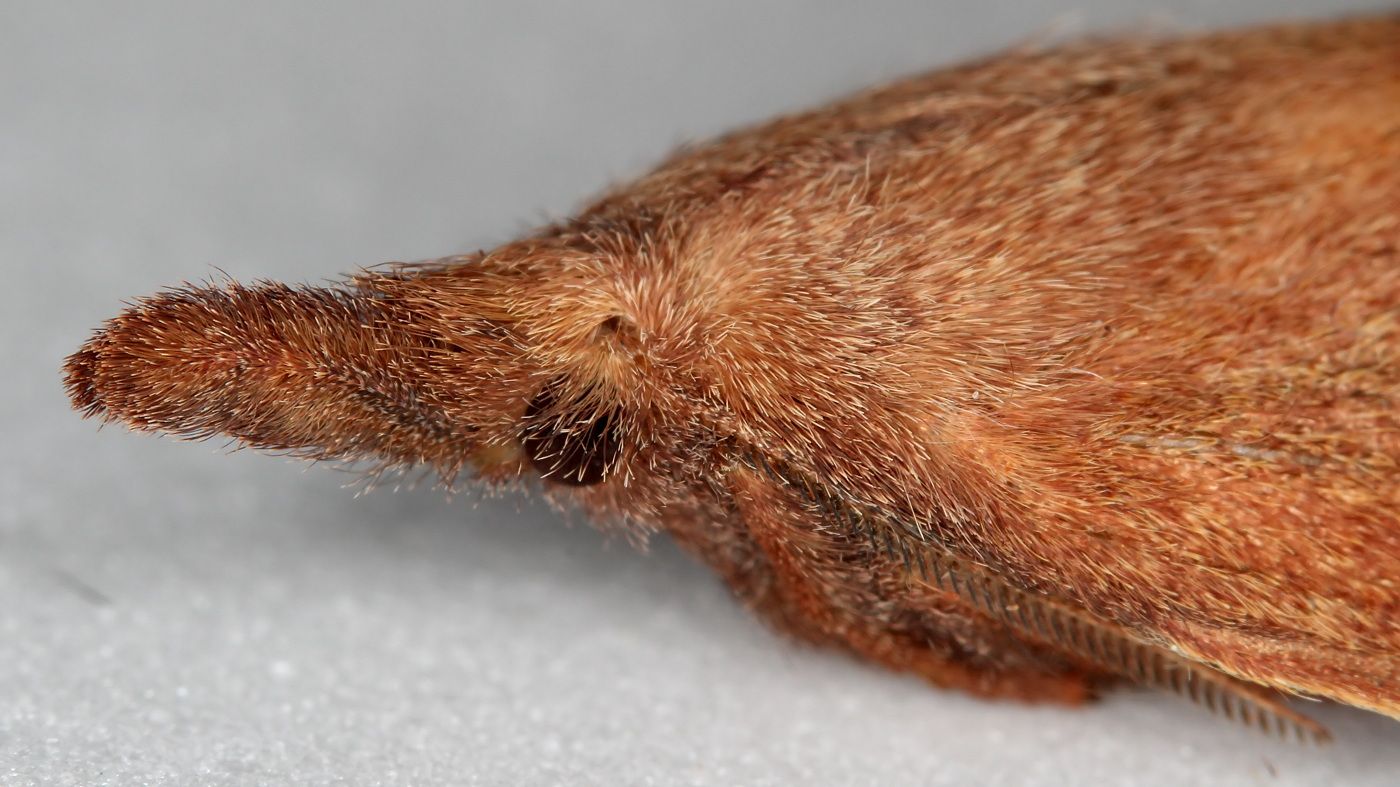
This moth, of the genus Pararguda, came for a visit a couple of nights ago. It is most likely P. nasuta. It belongs to a family of moths known as the Lasiocampidae, which go by various common names such as Eggers, Lappet moths, or Snout moths. There are no prizes for guessing which name is the most appropriate for this one. The labial palps are quite elongated and project straight out, giving the appearance of a long snout.
Can moths hear?
Many species of moth can hear. They have a tympanal organ (basically an ear drum) on the abdomen. However, not all moths have the ability to hear. In fact the poor old snout moth above, is totally deaf. This is probably because they have no need for a sense of hearing. For those moths that do have a sense of hearing, the primary benefit would be to detect bats. This requires an ear that can detect very high frequencies. Indeed the Greater wax moth, Galleria mellonella, has been found capable of detecting ultrasonic frequencies of almost 300 kHz. So, is the Snout moth at great risk of being preyed upon by bats? Not really. One study showed that atympanate moths (those without a tympanal organ) are generally on the wing at times when bats are least active.
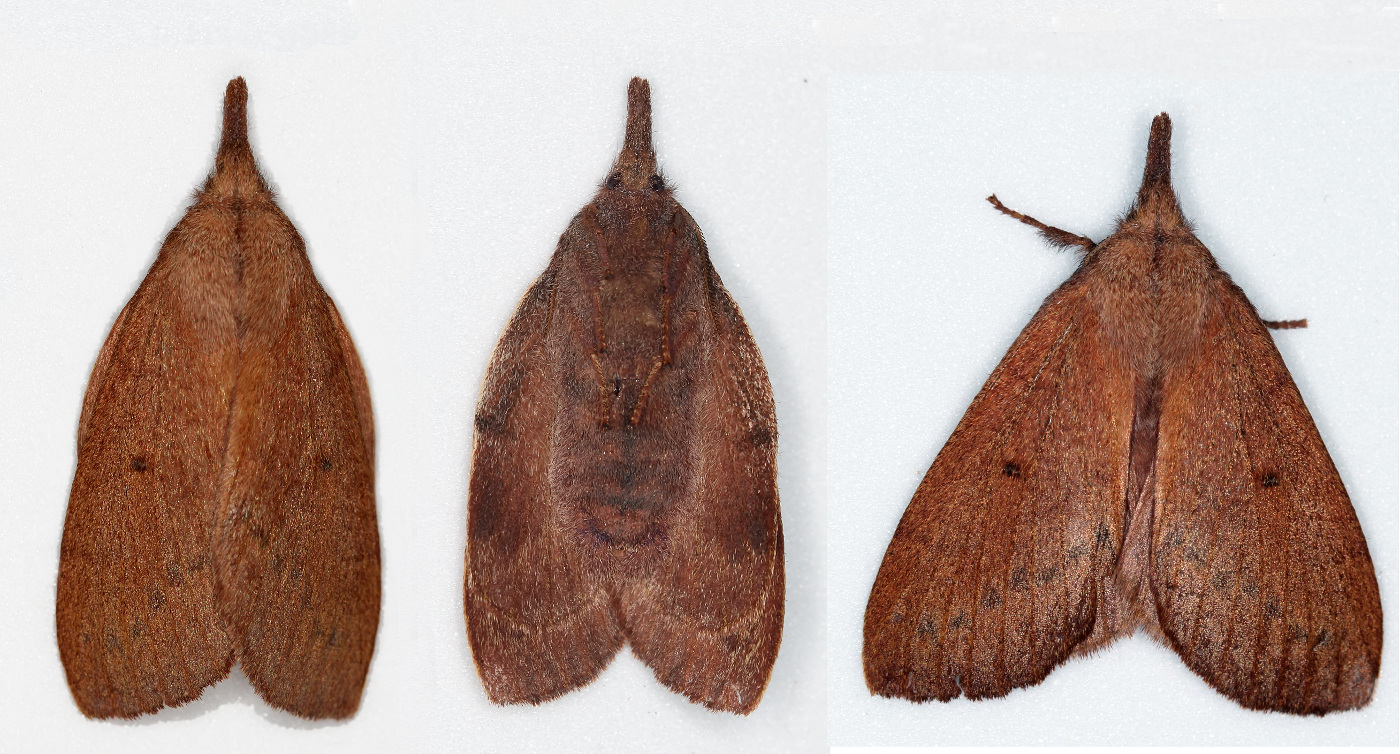
The first photo below shows dorsal and ventral views of the moth. This image is made from three separate shots of the same moth, I did not line them up like that. Some may wonder about the welfare of the moth on it's back :-) The moth is actually alive and quite healthy. Some moths will drop to the ground and play dead as a defense mechanism. When this one dropped and played dead, it was a perfect opportunity to get the shot. It was in an open area and it it was free to fly away at any time. In fact, since releasing it, it has just sat there. As it is a female, it will no doubt be emitting pheromones and patiently waiting for a male to pick up the scent.
 )
)Click on images for a larger version
Dorsal and ventral views of P. nasuta
The elongated labial palps of P. nasuta look like a long snout.
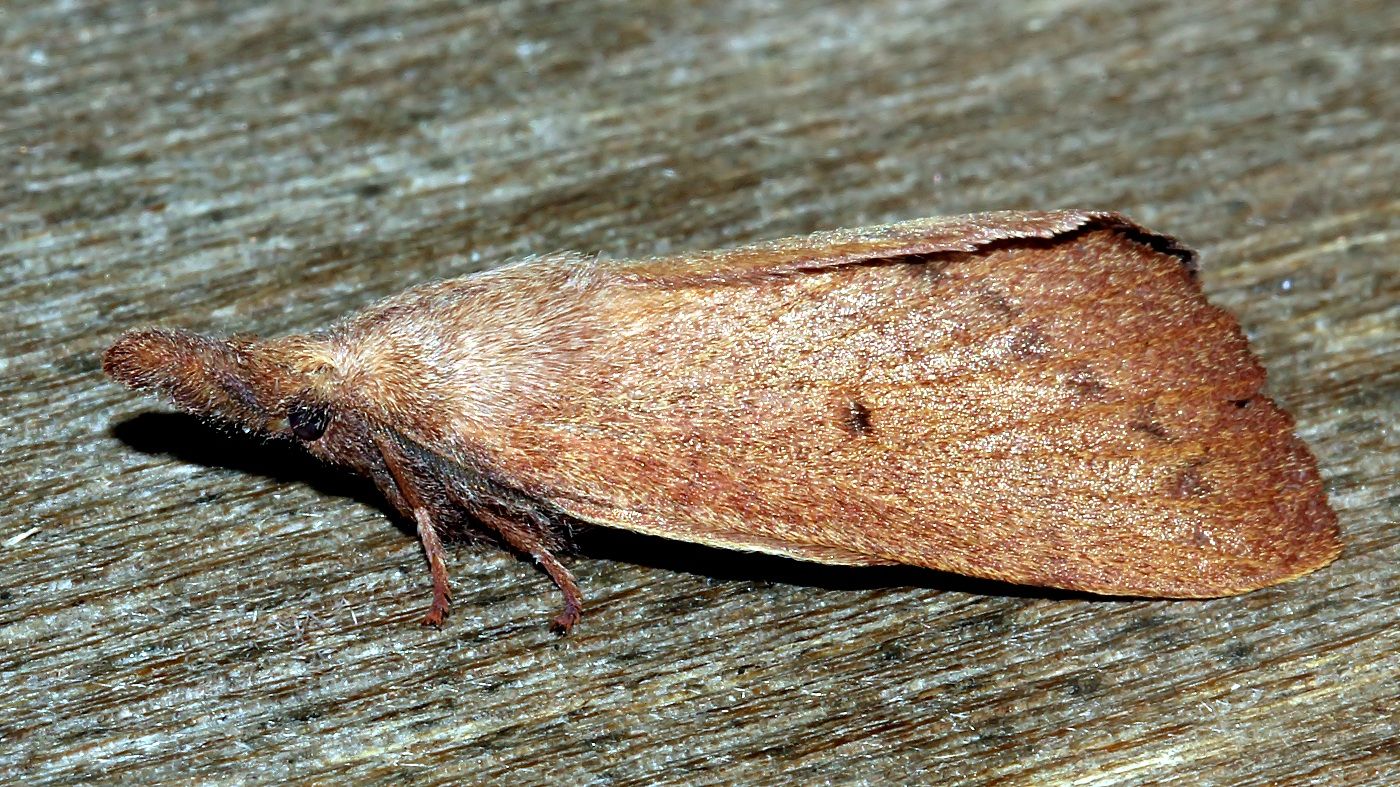
Lateral view of P. nasuta
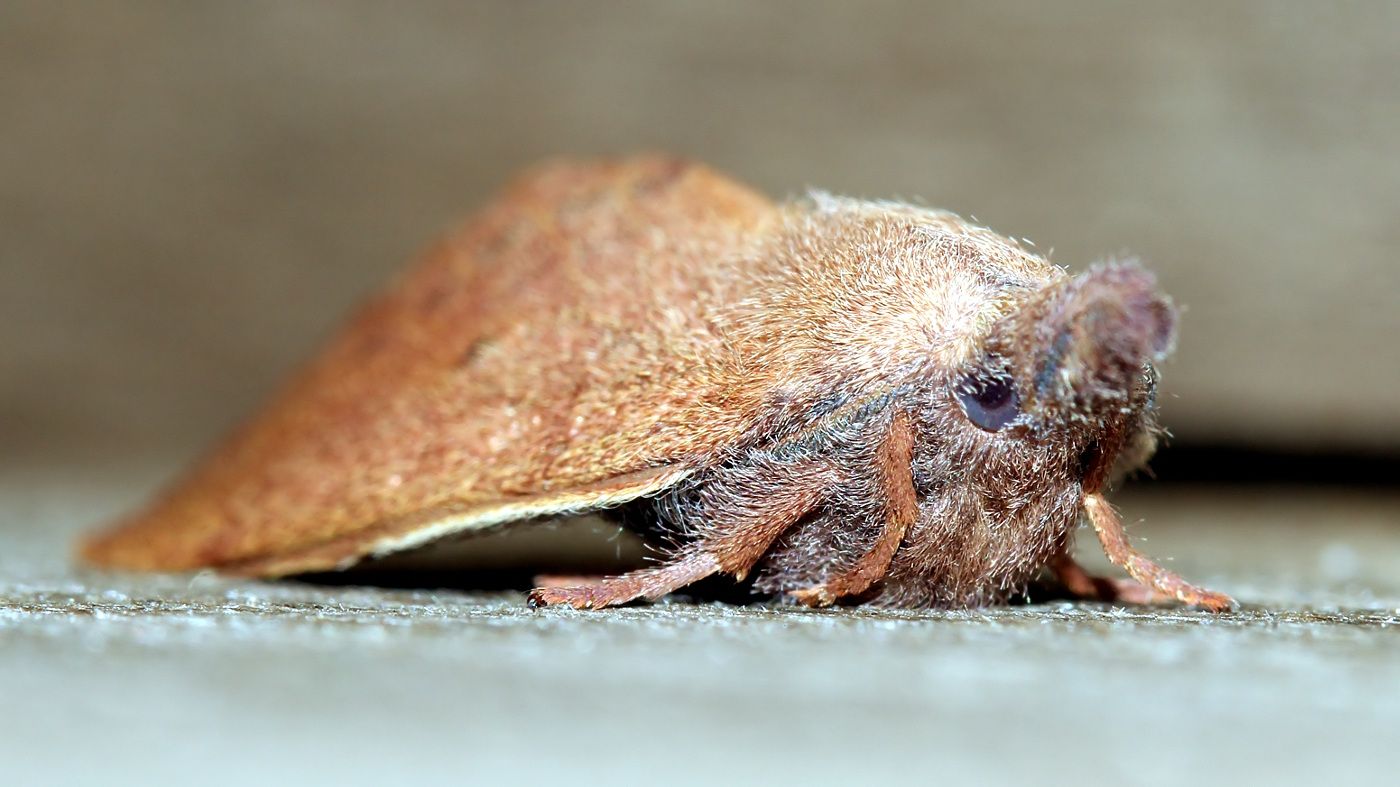
Frontolateral view of P. nasuta
References:
- Yack J. E. (1988). Seasonal partitioning of atympanate moths in relation to bat activity. Can. J. Zool. 66, 753-755. 10.1139/z88-111
- Moir, Hannah and Jackson, Joseph and Windmill, James (2013) Extremely high frequency sensitivity in a 'simple' ear. Biology Letters, 9 (4). ISSN 1744-9561
If you enjoyed this post, please consider upvoting, commenting , following or resteeming. Thank you!
Backyard Mothing Part 2 - Ten Moth Photos
The Badge Huntsman Spider
The Blue Metallic Flea Beetle
Rare Freckled Ducks Vist Tasmania