
Cannabis

Cannabis a plant that we commonly call marijuana, ganja in herbal form or hashish in resinous form. It has been commonly used way back prehistoric times. However, its use became prevalent in the 20th century when cannabis was utilized for religious, spiritual, medicinal and even recreational purposes. It was then that its possession, use or sale was prohibited. To date, the use of cannabis for drug use or cannabis addiction remains illegal all throughout the most parts of the world.
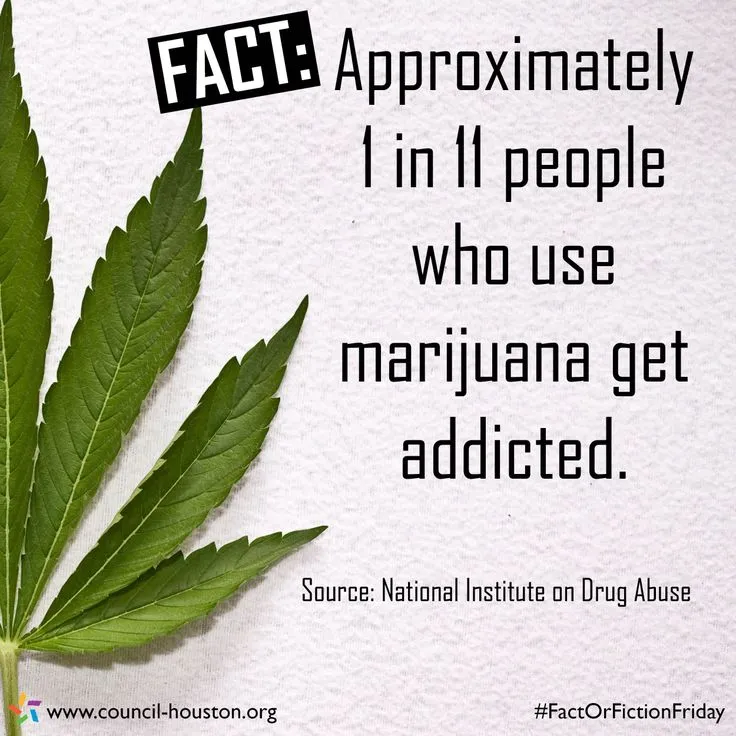
Psychologically, cannabis is already a recognized addictive drug. Cannabis addiction occurs when one’s mental and physical state are prominently altered due to its consumption. Although in Diagnostic and Statistical Manual of Mental Disorders (DSM-IV), there is no cannabis withdrawal syndrome, evidences show that cannabis addiction induces similar withdrawal symptoms to other drug addiction.
But unlike tobacco, cannabis addiction has not shown to cause lung cancer, chronic pulmonary disease or emphysema. It does not also cause birth defects to expectant mothers who are hooked to cannabis. Basically, cannabis addiction is less hazardous than addiction to tobacco, prescription drugs or alcohol.
Different users may experience different effects in cannabis addiction. Factors such as the dose, its potency, its chemical composition or its method of consumption are what elicit different levels of high in cannabis addiction.
Short-term effects
• Forgetfulness
• Laziness
• Distorted perception
• Disability to focus and concentrate
• Rambling
• Troubled concentration
• Inability of motor coordination
• Increased heart rate
• Spiritual talking and
• Paranoia
Long-term effects
• Feeling of euphoria
• Intense relaxation
• Laughter and giggle fits
• Increased appreciation for music
• Feelings of intense pleasure or anxiety.
• Complications of the respiratory system
• Immune system damages
Known withdrawal symptoms
• Insatiable craving for cannabis
• Insomnia
• Aggressiveness
• Agitation
• Mood swings
It is also shown to manifest its ill effects on the hippo campus (the part of the brain linked with learning and memory), thereby causing short-term memory impairment. Cannabis addiction has also been associated to other mental illnesses, from psychotic episodes to clinical schizophrenia.

Aside from those mentioned above, there are still a lot of other things that could get you in trouble if you have cannabis addiction. Treating it is a must. However, you must find a program that would really work on you. If not, then everything would be in vain.
Nevertheless, there is always a way out of cannabis addiction. The steps may be simple yet hard and requires extreme sense of commitment and dedication to move out of this addiction. Be willing to feel whatever painful feelings and take part in being responsible for them. Instead of avoiding them with your addiction, face them. Be conscious that you want to know what it causing your pain. Discover the thoughts and actions causing your pain. It should just come from within. Perseverance, will and devotion are all that it takes. Here are some suggestions that may help you to overcome cannabis addiction.
Hypnosis
Cannabis addiction has been shown to be quiet effectively treated with hypnosis. It seems that hypnosis is effective in stopping smoking problems and other bad habits as well. The therapy that utilizes hypnosis to cure addiction to marijuana is also known as Hypnotherapy. With this method, a person will be guided to face all the reasons – emotional and psychological, that may have caused the cannabis addiction.
Through hypnosis, a person can be integrated with positive habits along with positive goals in life. There are many hypnotherapy options available to cannabis dependents. Finding the right one is the first step. Showing commitment to the therapy is the second step for the final result of overcoming addiction to marijuana. It is good to know that with Hypnosis, in some cases, the goal can be achieved in less than a week.
Rehabilitation and Other Treatment Programs

These programs will vary on how they will proceed. Every treatment program institution has their way of treating cannabis addiction. If you did not overcome your addiction treatment in one program, do not give up. The key here is your will to get cleaned. Getting clean might entail painful steps with this treatment, but these are nothing compared to how painful your life might become when you do not overcome the addiction.
Outpatient Programs

These programs are for those who have already undergone a treatment. An outpatient program will make sure that the patient stays clean. If the patient continues with his cannabis addiction, he or she must go back to the inpatient addiction programs.