
I have hinted that I was going to talk about AI very soon as this has been a passion of mine before it really was a popular word. I was interested and exploring it in code in the mid-1980s. I never stopped being interested in the subject. I never stopped doing my own experiments.
Having started this study that long ago it gives me what I now realize is not a common perception of the evolution of how this term has been used in our society. It is VERY OFTEN used incorrectly. This is true of people that we view as intelligent and with good ideas. They can be intelligent, yet that doesn't mean they are actually correct when they are describing AI.
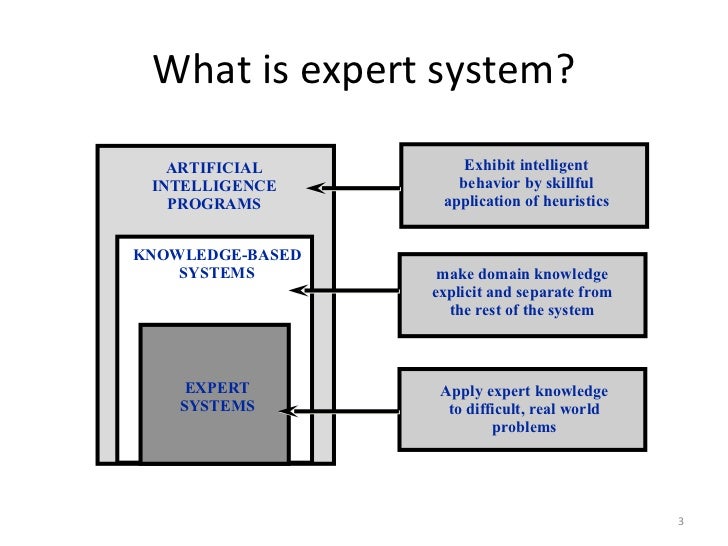
These days I see people refer to a lot of things as AI that are not AI. Most of them are simply what would be correctly labeled Expert Systems.
An expert system is simply a computer program designed to become an expert at very specific tasks. It sometimes is attached to the field of Artificial Intelligence, yet there really is no actual intelligence. It is just a big flow charts that basically amount to IF this happens DO THIS. We can use this to make systems that are really good at doing things with easily definable steps and rules. If the rules are unchanging to produce the desired outcome then we can flow chart that and in turn we can create an expert system that will master these steps.
A common example of this is a program that can defeat a chess master. People see that happen and their paranoia kicks in and they see it as a sign of intelligence because it is not something they can do. It isn't. It is just an ability to rapidly progress through potential moves within a specific set of rules and weight the outcome combined with an analysis of player playing styles to add a probability weight to the move. The key is. That is all it can do. It cannot carry on a conversation, it cannot assemble a car, it cannot do anything but play chess. That is all it has been taught to do.

What an expert system truly is, is a recipe much like cooking. Follow these instructions to complete a task.

It is no more artificial intelligence than a recipe, or a book are artificial intelligence.
Yet I'd say that 90% or more of all things people refer to as Artificial Intelligence are actually nothing more than expert systems. They are ONLY good at the single task they have been provided the rules for.
These rules are often referred to as an Algorithm.

Opponents in video games that we call AI are actually simply Expert Systems.
The truth of the matter is we don't really have anything that I believe anyone who works off of the classical definition of intelligence would refer to as intelligent. Certainly not awareness.
We can make simulations, and we can make things that by following rules can mimic intelligence though not actually being intelligent.
However, because computers are really good at following certain types of rules there are things that they can do far faster than we can. They are simply following the rules we teach them.
Some Expert Systems are designed to follow an evolutionary type approach such that they will randomly make changes to the code in an algorithm and run it again. Much like the survival of the fittest situation they will evolve into algorithms designed BY the expert system. I still call it an Expert System because it cannot think outside of the rules and the task assigned to it by the programmers.
I personally believe we are still quite some way away from TRUE artificial intelligence.
There are many people concerned about Terminator like situations and things like Skynet, or like the Matrix where AI takes over and controls the world.
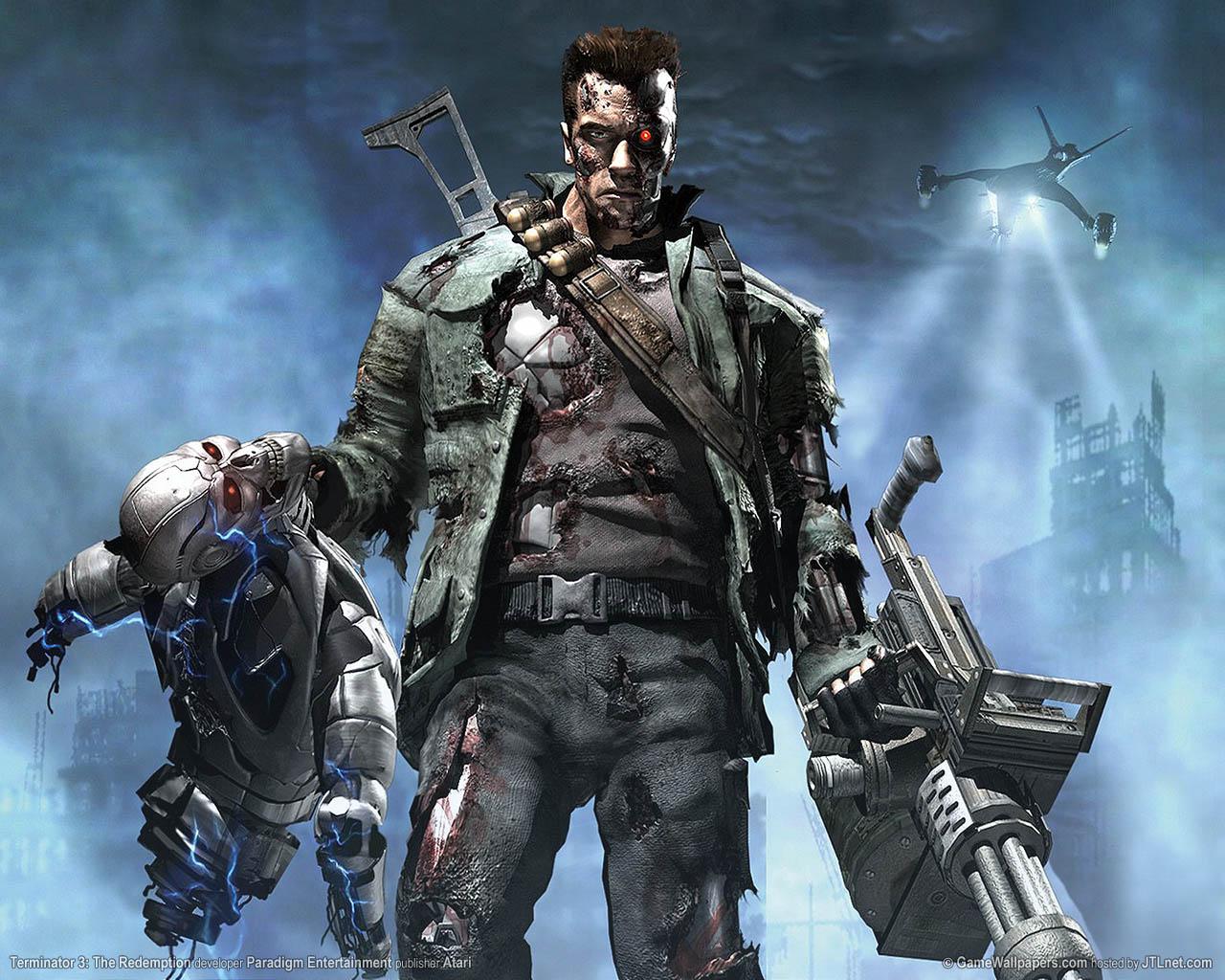
In the truest sense of the concept we are VERY FAR from that. We do not know how to replicate many things in humans that we consider easy, but we don't actually know rules to provide those abilities to computers.
The basic "I think therefore I am" we can get a computer to say. Yet, we cannot really get them to know. We can even simulate emotions, but it is really just a proxy, a facade to give illusion of being the same thing to human observers.
So we can make computers do many things that SEEM to be humans. Yet they are following rules. If you learn the rules you as a human can trip them up and they will fail to adapt as you go outside of those rules.
So actual learning. They can learn within the concept of that expert system role they are given. They can improve upon the efficiency of the rules of the task they have been assigned, but they cannot think outside of those confines.
They are not truly intelligent.
Now one of the important things. While I say true AI is not here, the danger is still very real. We are more than capable of making Expert Systems designed to be war machines and other things.
Those are set rules we can mimic. They do not require true intelligence.
So while true AI is still some distance away, Expert Systems if attached to military ordinance are more than capable of bringing about full dystopian situations.
People may say "That's okay they are controlled by a human who makes the rules".
That is supposed to reassure us?
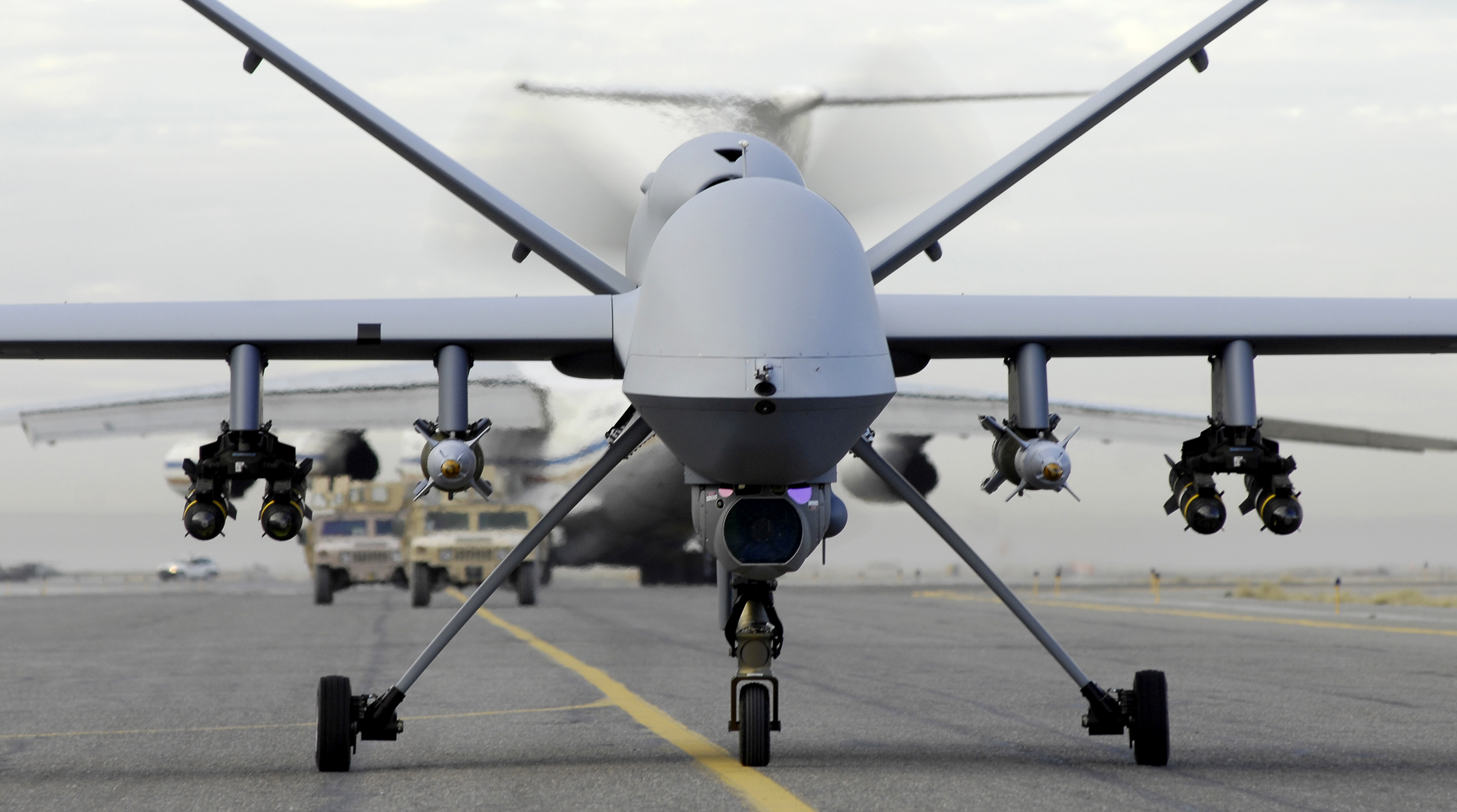
A human who gets to assign the rules to these military bots/machines and they will not question. They will simply follow those rules precisely and efficiently.
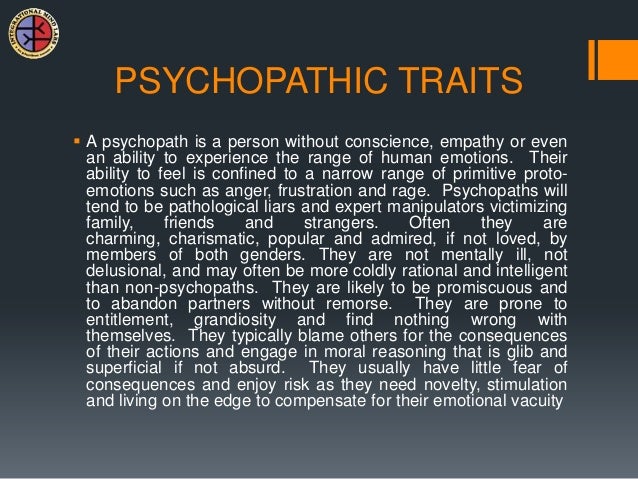
Given that governments, and other organizations seem to naturally over time be populated at the top by sociopaths and psychopaths that is not very reassuring.
The continued development of Expert Systems is inevitable. It is everywhere. It goes from simple rules, to very complex rules. We all use and/or are assisted by them every day.
The key thing to remember about Expert Systems is they cannot think outside of the rules they are given, thus they are not truly intelligent. That is where your advantage lies.
Our true enemy though is not these things. The enemy is those who hold the keys to the rules fed to these things. They could be given the keys to very deadly things.

Armies of small insect like bots that can inject poison. Armies of drone expert systems.
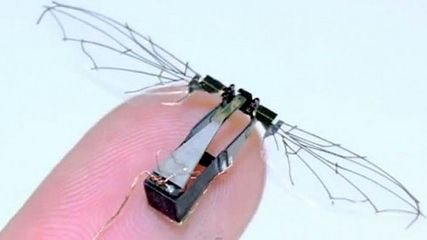
Their targets? Perhaps people that they think should be censored.
Non-Original Images clickable to lead to source.