
Matsuyama-jō 松山城 Castle overlooks the city of Takamatsu 高松 on the north-west coast of Shikoku, one of the four main islands that compose Japan. Originally built during the first half of the 17th century, it was -- like so many castles in Japan, built primarily of wood -- struck by lightning and the main tenshu-kaku 天守閣 (keep) destroyed by fire. Rebuilt in the 19th century, it has managed to survive to this day, despite losing a number of outer buildings to American bombing during WWII.
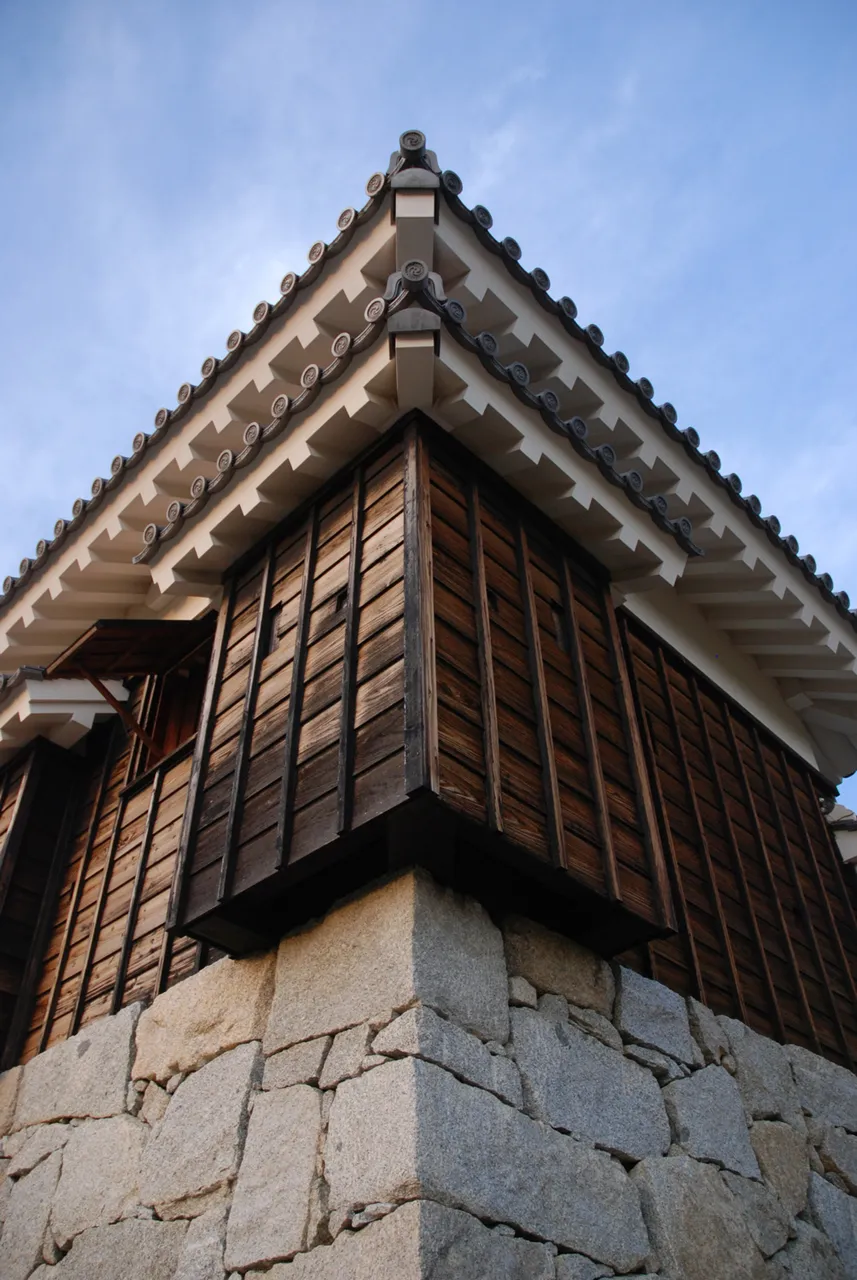
It makes for a pleasant visit: like most of Shikoku, the climate is warm and balmy and there are plenty of trees surrounding the buildings in which to take refuge if it ever does get too hot. But, as a former student of Japanese architecture, it is the castle itself which made me want to visit. Unlike the more famous castles in Japan -- Osaka 大阪城, Edo 江戸城, Hiroshima 広島城, Nagoya 名古屋城 etc. -- Matsuyama is less imposing, more horizontal and less vertical, and built more of wood than stone (or, rather, the wooden inner structure is left exposed). This makes for a more pleasant experience, more in keeping with the mood of the city and island: Shikoku is definitely more laid-back and hospitable than the big metropolises on Honshū 本州, the main island.




Nick Sikorski is an organic market gardener and permaculture designer originally from Scotland, trained in France and now farming in Nagano, Japan. When he's not obsessing over heritage varieties of vegetables & herbs, chasing off wild deer or otherwise running around the fields of his mountain farm, he's trying to beat the system, taking photos or trying to better understand cryptocurrencies. You can find his Steemit introduction here.