In the beginning [before all time] was the Word (Christ), and the Word was with God, and the Word was God Himself.
Jn 1:1, AMP.
Bible.

What is a Blockchain
A blockchain is a digitized, decentralized, public ledger of all cryptocurrency transactions. Constantly growing as ‘completed’ blocks (the most recent transactions) are recorded and added to it in chronological order, it allows market participants to keep track of digital currency transactions without central recordkeeping. Each node (a computer connected to the network) gets a copy of the blockchain, which is downloaded automatically.
Blockchain Definition | Investopedia
Blockchain.

And I tell you, you are Peter [Greek, Petros—a large piece of rock], and on this rock [Greek, petra—ahuge rock like Gibraltar] I will build My church, and the gates of Hades (the powers of theinfernal region) shallnot overpower it [or be strong to its detriment or hold out against it].
Matt 16:18, AMP
Church.

cryptocurrency
ˈkrɪptəʊˌkʌr(ə)nsi/
noun: a digital currency in which encryption techniques are used to regulate the generation of units of currency and verify the transfer of funds, operating independently of a central bank.
Crypto-currency.
But I urge and entreat you, brethren, by the name of our Lord Jesus Christ, that all of you be in perfect harmony and full agreement in what you say, and that there be no dissensions or factions or divisions among you, but that you be perfectly united in your common understanding and in your opinions and judgments.
1 Cor 1:10, AMP.
Schism.
The Great Schism of 1378 or Great Western Schism, was a dispute between three Popes over the authority of the Church.

Definition of Hard Fork.
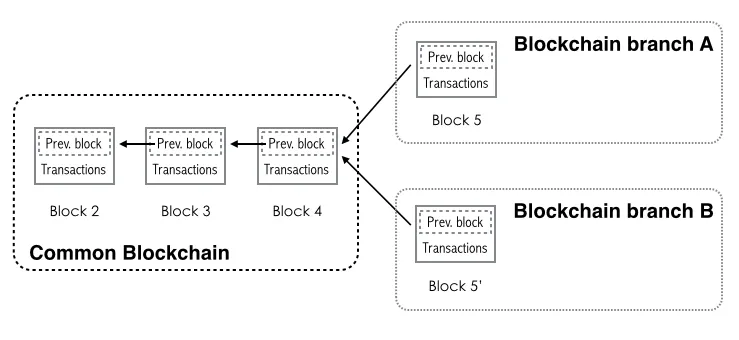
As it relates to blockchain technology, a hard fork (or sometimes hardfork) is a radical change to the protocol that makes previously invalid blocks/transactions valid (or vice-versa), and as such requires all nodes or users to upgrade to the latest version of the protocol software. Put differently, a hard fork is a permanent divergence from the previous version of the blockchain, and nodes running previous versions will no longer be accepted by the newest version. This essentially creates a fork in the blockchain, one path which follows the new, upgraded blockchain, and one path which continues along the old path. Generally, after a short period of time, those on the old chain will realize that their version of the blockchain is outdated or irrelevant and quickly upgrade to the latest version.
Hard Fork
Fork.