
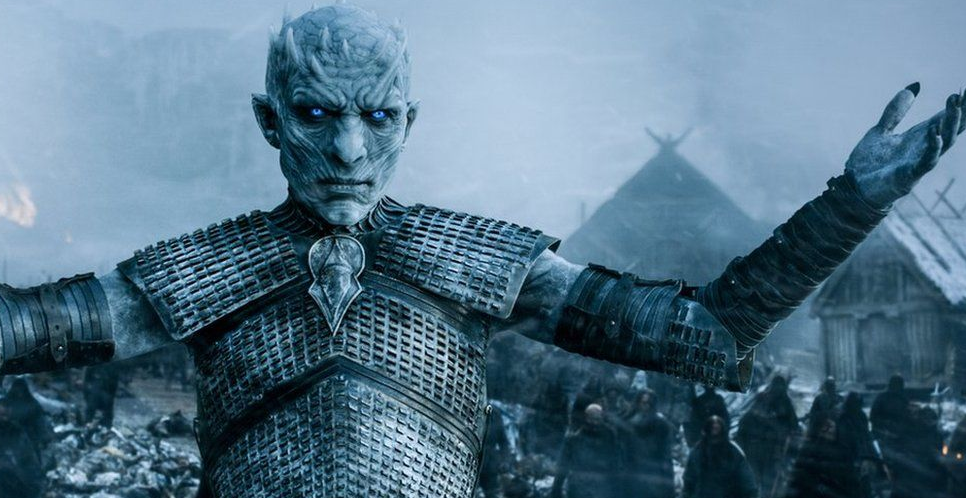
Fans of HBO’s hit series Game of Thrones know well the motto of House Stark: “Winter is Coming.” This motto warns of impending doom, whether brought on by the Starks themselves, devastating multi-year, cold weather, or something far more ominous north of the Wall.
At least since Soviet economist Nikolai Kondratieff wrote The Major Economic Cycles in 1925, recessions have been associated with winter weather.1 Although Kondratieff’s theories contained as much fantasy as Game of Thrones, using seasons as an analogy for the stages of a business cycle is intuitive. If spring represents recovery, and summer the peak of economic growth, then the U.S. economy may well be in autumn. All should be as wary as the subjects of Westeros (the realm of focus in Game of Thrones).
Also, just as recessions are not phenomena endogenous to free markets (but rather, as discussed above, caused by an artificial expansion of the money supply typically produced/coordinated by central banks), so too the winters in Westeros appear to be generated from an artificial, exogenous source. As protagonist John Snow explained in describing the supernatural White Walkers: “the true enemy won't wait out the storm. He brings the storm.” The Night King is the Westerosi version of the Chairman of the Federal Reserve (with the primary difference being the Night King purposely brings about winter).
