
One of the least-understood but most-cited economic principles is "planned obsolescence." As commonly described, there is a conspiracy among manufacturers to ensure that all products have a limited lifespan in order to drive future sales. It is capitalism run amok to exploit the consumer.
No repairs! Original image

This is not wholly false. Many goods are built of low-quality materials with little to no means for repair. Design changes can make it difficult to replace broken internal parts or external housings. Components may no longer be manufactured. Proprietary electronic connectors, security fasteners, and other means prevent the owner from accessing their own property. Licensing agreements and reliance on network connections are now becoming common requirements for electronics and software. Sometimes the cost of the replacement parts is such that it makes more sense to replace the whole item in question. There is no denying these facts. However, it is at best an oversimplification to say it is all planned like a supervillain's scheme in a bad movie.
Many factors are in play when manufacturing is concerned. Market analysis seeks to determine what the average consumer is willing to pay, because making something that doesn't sell is wasteful. Designers weigh the benefits of various materials, assembly costs, available components from outside suppliers, and the need to generate income in order to continue the business.
What are the buyer's considerations? Suppose I need a new drill. Do I buy a drill from Harbor Freight or Hilti? Well, what is my budget? Will I be lending it an idiot relative, co-worker, or industry apprentice who breaks everything he or she touches? Is theft a major problem? Will it be used in an environment that damages the tool no matter the quality? Do I only need it for one job, and not expect to need it in the foreseeable future? On the other hand, am I going to be in the middle of nowhere and need a tool that is as absolutely reliable as possible? Am I better off buying two middle-of-the-road options so I have a backup, versus one expensive but good drill? There are reasons why a consumer might choose to buy anywhere along the quality spectrum in power tools, and the same applies to anything else, too.
New, then old, then obsolete, and now a classic. Hmm. Image credit

It is certainly true that auto manufacturers use cosmetic design changes to their cars in an effort to make previous vehicles less desirable, but the consumers are all well aware of this. Debates range over whether a new car looks good, or should have been left on the drawing board. But the mechanical aspects are vastly improved. 10-year warranties on drivetrains are becoming quite common. When 100,000 miles once meant a car was probably worn out and destined for the scrapyard, now it means a car is merely broken in if it has had proper maintenance. On the other hand, we do have problems with recent fuel economy mandates. Consumers like fuel efficiency, but adding complex superchargers and turbo chargers means more mechanical complexity. Electric cars and hybrids have batteries that will eventually need complete replacement. The subsidies for "green" cars are proof that the political demand far outpaces market demand, and the real market price has not been achieved to make them feasible yet.
In the market, new technology is expensive and rare. As the product is refined, the price drops. Remember when flat-screen TVs were the domain of only the rich and the enthusiasts 15 years ago? Now a large 4K HDTV costs less than a big screen CRT TV did then. Here, the nature of the technology is more difficult for the end user to repair, but we have better image quality and energy efficiency unimaginable in the past. Is this what "planned obsolescence" brings? if so, it's no bad thing at all.
The nature of technological advancement also comes into play. An old computer wasn't necessarily planned to be obsolete, but it was definitely built with the knowledge that obsolescence was inevitable. Technology is being developed at an incredible rate, and programmers are always eager to use any new features that become available. Only in a few rare instances do we see old computers toiling away at the same task for a long time with little upgrade. It does happen, though.
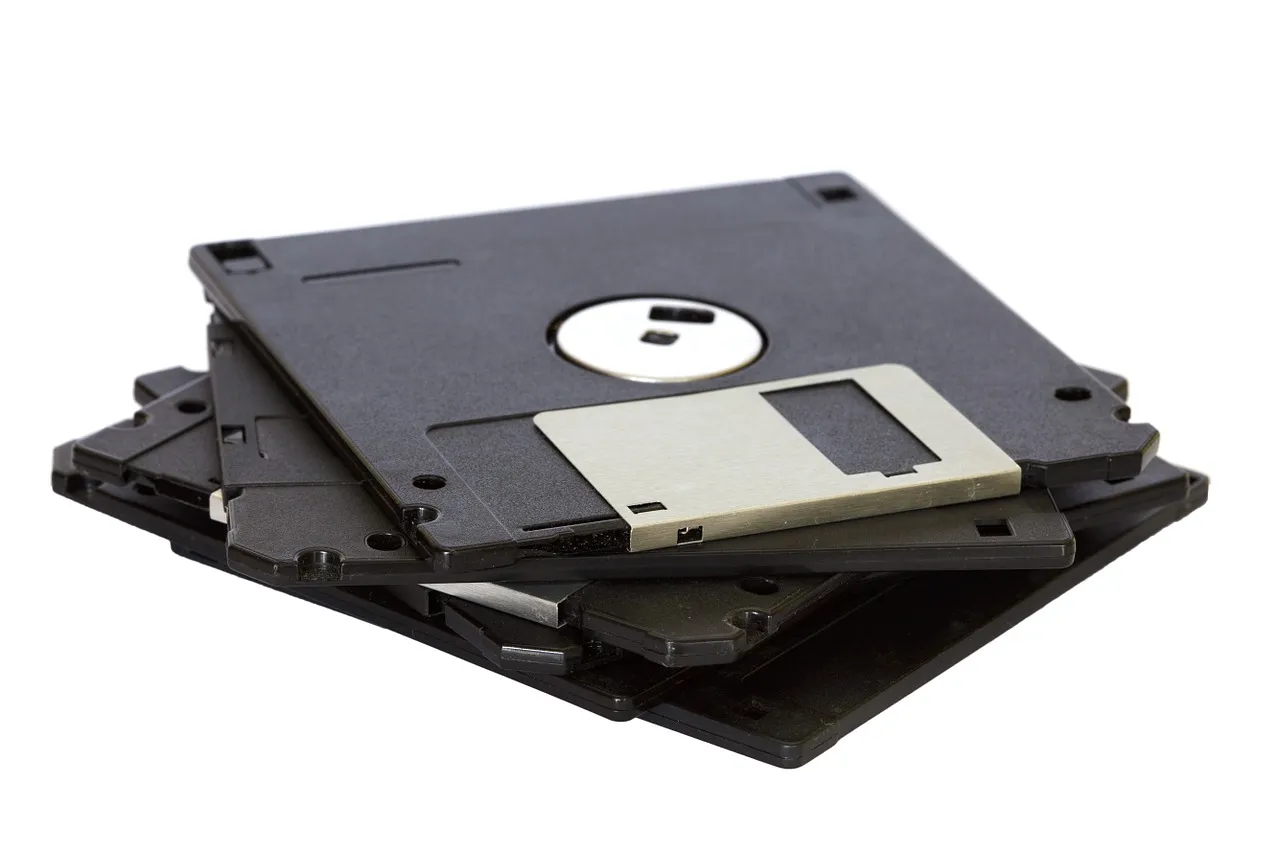
Obsolete? Yes. By design? No. Image credit
The laptop I am using now is obsolete. It was built for Windows Vista, as the sticker on the case still proudly proclaims. It has an Intel Celeron processor. Whoever bought it wanted a computer ca. 2007, and had a budget for only this much quality. Microsoft long ago ceased to support the original OS. The battery has a lifespan of minutes, not hours. Most modern software doesn't work. I am only using it now because I installed Linux as an alternative. I want to upgrade eventually because it is almost entirely useless, but the web browser works, wifi works, and for the simple purpose of posting to Steemit, it does what I need when I am not at a desktop computer. I know that unless I spend significant cash on a laptop, it will soon be little better than this one now as technology marches on.
According to the Wikipedia link at the start of this post, "planned obsolescence" has even been proposed as a Keynesian solution to boost aggregate demand and spark economic growth by government mandate. I shouldn't need to explain how silly this is in the real world, but there is a pervasive erroneous belief that replacing stuff creates wealth. Heck, every war and natural disaster inevitably results in some moron saying rebuilding will bring prosperity. Never mind that the people rebuilding would have preferred to keep what was destroyed and use their wealth for alternative uses instead. If this principle isn't clear, please read Frédéric Bastiat's That Which is Seen, and That Which is Not Seen.
I hope my disjointed ramblings here have at least opened your eyes to the possibility that more factors than "capitalist greed" are in play when discussing price and quality of goods, and "planned obsolescence" isn't nearly the bogeyman it is perceived to be. Whenever there is a complicated question in economics, never trust someone whose only answer is a single term, especially if they cannot elaborate when pressed.