
I most times tell people these: “Do not treat children like puppets: trust them and let them perform tasks that seem out of their reach. Keep them in contact with nature like taking care of plants and animals. Focus on their talents and not continue to highlight their flaws.”

A child reveals the best of himself only when he is left free to express himself, not when he is coerced by some educational scheme or purely external discipline. Only in this way the child learns to self-regulate. In fact the child by nature is serious, self-disciplined and love to obey orders.
Here are the fundamental principles method on mentoring a child on freedom :

Educating the child to independence:
Serving children means stifling their abilities. Therefore the task of parents and educators is to help them to carry out their conquests on their own as they learn to walk, run, wash.

Never prevent a child from doing something because it is too small:
We must not judge children's ability based on age and do not let them do something because they are too young.
We must show trust and let them carry out the easiest tasks. For example, a two-year-old can put bread on the table, while the four-year-old can bring the dishes. Children are satisfied when they have given the maximum they are capable of and do not see themselves excluded from the possibility of practicing.

Accustoming a child to doing precisely is a great exercise to develop body harmony:
Children are naturally attracted to the details and to carry out certain acts excitedly. For example, washing their hands becomes a more interesting gesture for them if they are taught that they then have to put the soap back in the right place; or pour the water is more fun...
And learning to act with precision is a great exercise to harmonize the body and learn movement control. One of the most useful exercises I recommend is to teach the little ones to prepare with diligence, to serve at the table, to wash dishes and to store the dishes.
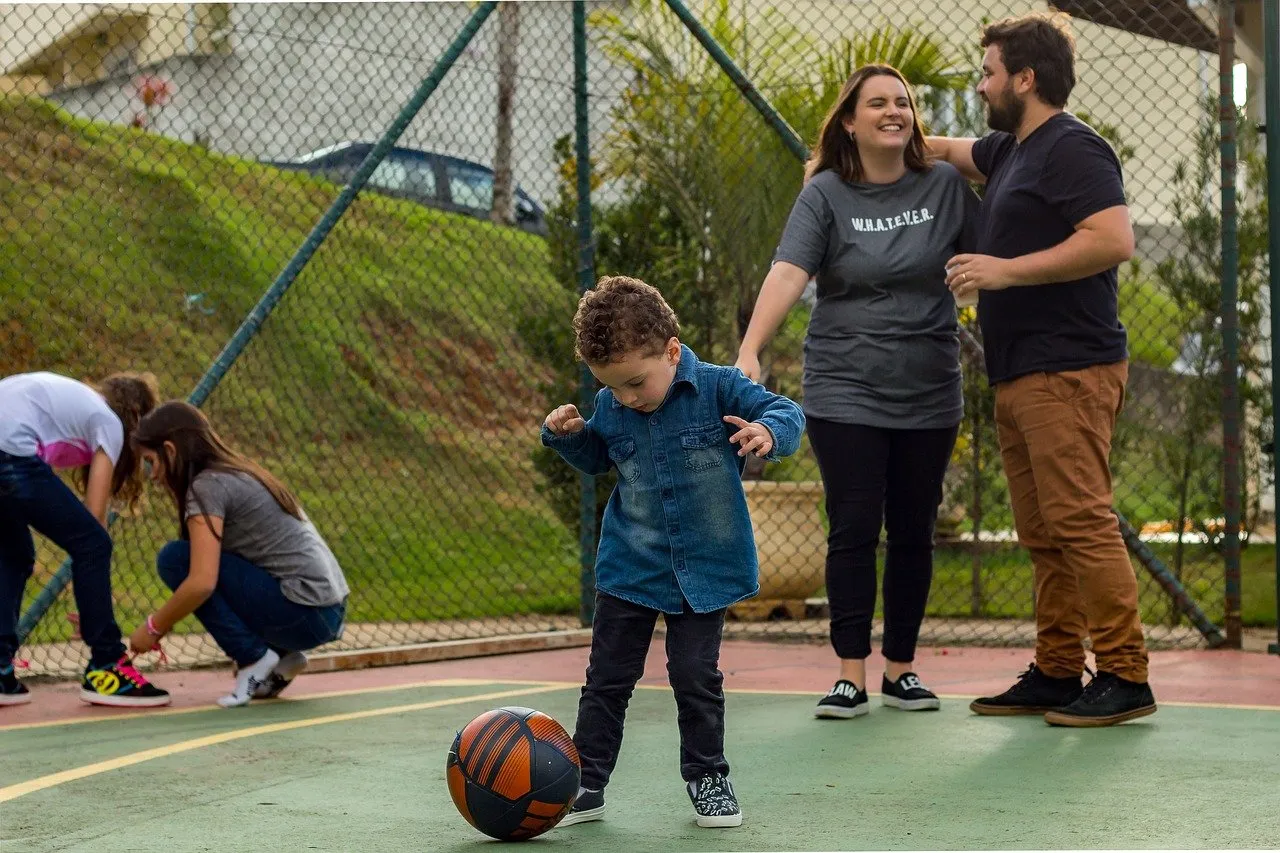
The educator must be a guardian angel who observes and does not intervene almost never:
The teacher must reduce his intervention to a minimum. His work is not only to dispense his knowledge to students , but also must be a guardian angel, must be vigilant so that the children are not hampered in their free activity by watching and talk a little.
The teacher must respect the child who makes a mistake, and direct him to correct himself. Clearly the educator must intervene firmly and decisively when the child does something dangerous for himself and for others.

Never force a child to do Something:
We must respect the child who wants to rest from an activity and simply watch other children work. The educator must not force it.

Educating in contact with Nature:
Make the child live in contact with nature as much as possible. Because the feeling of nature grows with exercise. A child left in the middle of nature pulls out of the higher muscular energies than what the parents think.

Watering plants and taking care of animals accustoms to social security:
Educate the child to take care of living things. Careful cares for plants and animals are the satisfaction of one of the most vivid instincts of the infant soul.
"Nothing is more capable than awakening an attitude of foresight in the child who is used to living without thinking about tomorrow, but when he knows that animals need him and that the seedlings dry up if he does not water them, his love it goes linking today's act with the rebirth of the following day. "

Develop talents and never talk bad about a child:
The educator must concentrate on strengthening and developing what is positive about the child, its strengths and talents, so that the presence of its abilities can leave less and less room for defects. And never speak badly of the child in his presence or absence.

The school environment must be child-friendly:
The school must be a welcoming and familiar environment in which all the furniture and objects (chairs, tables, sinks ...) are modeled on the measures and needs of the children. The didactic materials must be specially studied, for example: objects to be assembled, joints, cards ... that favor the intellectual development of the child and allow self-correction of the error, ie the child immediately understands if a joint is wrong and will be brought to look for the correct joint.
A child placed in an environment suitable for contact with the right materials and under the guidance of a careful and discreet teacher will be able to experiment and refine his immense potential.

Children are the travelers of life and we adults are their ciceroni:
"The child is like a traveler who observes new things and tries to understand the unknown things around him, we adults are the ciceroni of these travelers who enter human life ..."
Just like Ciceronis who briefly illustrate the work of art and lead the travelers to observe the most beautiful things so that they do not waste time in useless things and find enjoyment and satisfaction throughout their journey!
