
Source

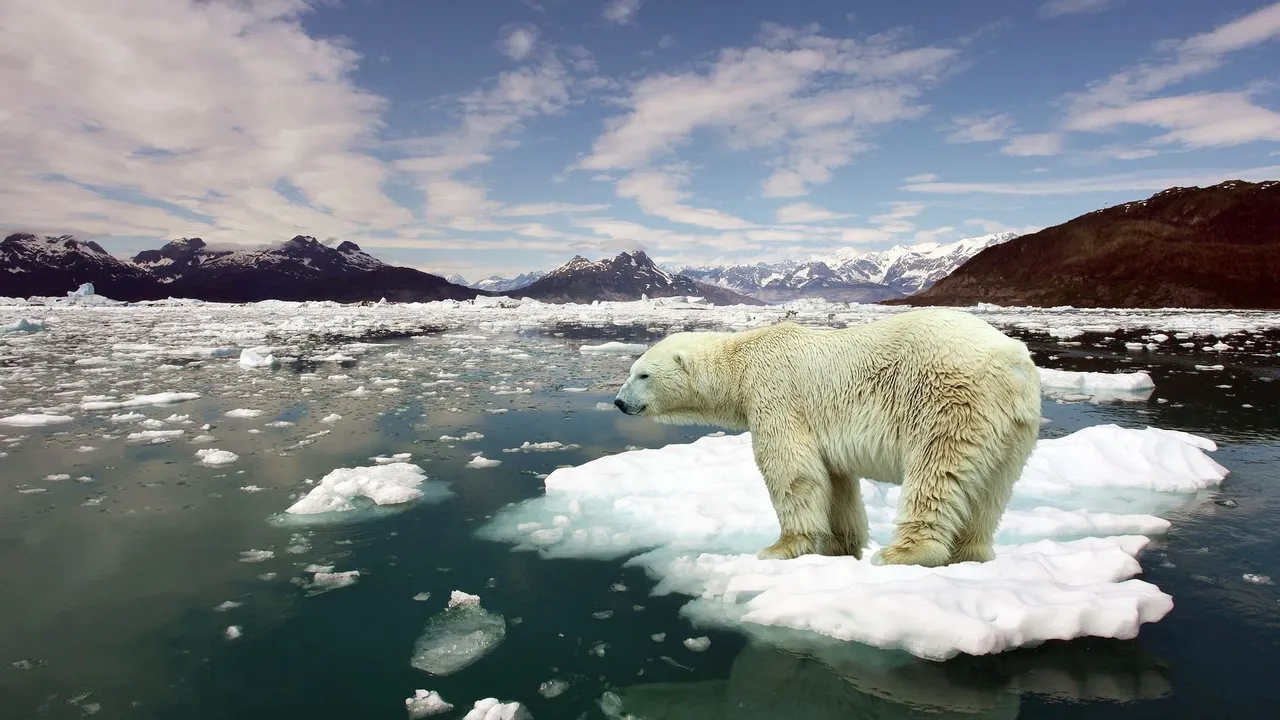
Climate change is the great environmental challenge we face today. Although since the early 80s it was already mentioned as a serious threat to the planet, it has not been until recently that we have begun to be aware of its magnitude and the effects it could generate in the medium and long term. Do you know what effects I'm talking about?
It is not only the progressive degradation of the ozone layer due to greenhouse gases. Neither of the increase of temperatures nor the rupture of the natural cycles of the planet. It's much more than that!
In reality, when we talk about climate change, we refer to both its most direct symptoms and the secondary or collateral effects it can generate, sometimes much more harmful than the first. Today, in the next post, I proposed to tell you carefully:
Source
Climate change, poverty and inequality
In addition to the irreversible environmental damage, climate change also has a direct impact on the migratory movements that we currently observe in various parts of the planet, as well as in food crises, territorial wars or the increase of inequality, to name just a few.
In fact, we could think of a category that encompasses new inconveniences of an environmental nature that affect notoriously the welfare of thousands of people in the world. How's the idea? Let's see some of them:
1 Disappearance of water sources
The high temperatures have caused the drought of rivers, lakes, lagoons and other water sources that for centuries were indispensable for the survival and development of entire villages. Many of those who remain are contaminated, as are the oceans and coasts. This could also explain the progressive abandonment of some areas by millions of families, the widening of deserts and the growing migration towards large urban centers. Water is a source of life and prosperity.

Source
2 Contamination
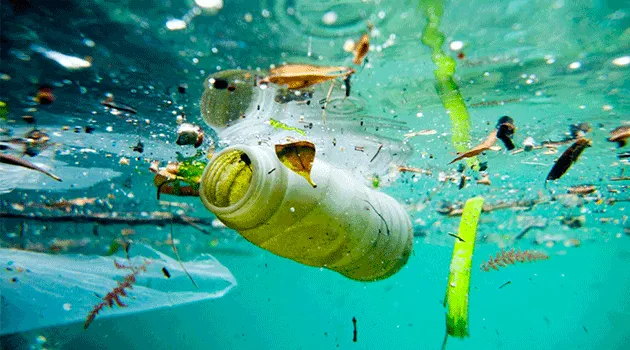
Neither land, nor air, nor other resources have the same quality as a few years ago. Greenhouse gases have deteriorated these resources and have forced many people to abandon activities related to agriculture and food production naturally.
Source
3 Deforestation
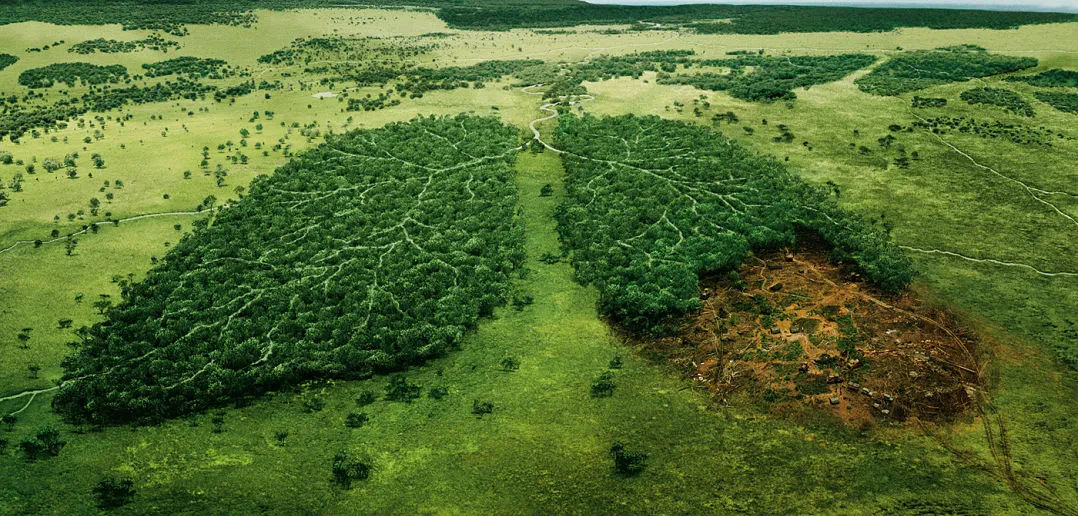
Every year thousands of kilometers of forests disappear in the world. It is estimated that, since 1990, more than half of what we now observe has been destroyed. In addition, trees die at an accelerated rate due to air pollution, the drought of nearby water sources and sudden changes in temperature. In very few cases there are alternative sowing, repopulation and protection programs for arable land.
Source
4 Overexploitation of natural resources
Natural resources will soon be insufficient for the survival of the people who inhabit the Earth. Overexploitation of resources, irresponsible consumption and the increase in world population, which has tripled in the last 60 years and continues to grow at an accelerated rate, are the main causes of this depletion. The available water and energy will not be enough to supply these needs. In addition, the exploitation of these resources remains in the hands of companies from developed countries that generate few benefits in the places where they are extracted, which increases inequality and forces many people to leave their place of residence in search of areas more suitable for survival.

Source
5 Use of chemical fertilizers and artificial methods of cultivation
Droughts, hurricanes and other environmental phenomena prevent the production and cultivation of food under normal conditions. In order to amend these effects and multiply production, the methods of natural production have been substituted by others of artificial type and in which the use of chemical substances predominates. These methods of cultivation make food worse quality and negatively affect our health and the environment, as they contaminate food, land and air.

Source
Are there solutions for current environmental problems?
As you may have noticed, all causes and consequences of climate change are related to each other and affect to a greater or lesser extent our health and well-being. What is our role, then, as inhabitants of the planet?
It is difficult to speak of a single solution to curb the main environmental problems currently afflicting the Earth. However, we can speak of an essential first step for this: the consciousness that as inhabitants of the world corresponds to us.
Awareness of what? Basically our relationship with the environment and nature, which is manifested in the items we buy, the trade networks we support and the initiatives that individually and socially succeed.
We speak, for example, of carrying out a sustainable agriculture that conserve natural resources, responsible consumption based on real needs, the care of ecosystems, the reduction of waste and recycling, the reuse of all those materials and products that we no longer use, among other options.

Source
It is also important to avoid the use of fuels that generate greenhouse gases, the use of chemicals or preservatives and, of course, to reinforce environmental education from the earliest ages.
You already know that on a small scale you can contribute your bit through daily actions based on sustainability and energy saving. We only have one planet: let's take care of it before it's too late!

Source

