

The adverse effects of global warming and climate change on the world are quite clear. There is a debate going on between some people whether or not this is human caused, but I think they are missing the point.
The bottom line is that average global temperatures are rising and almost each year is declared as the hottest in history. Polar ice caps are melting, climate is changing, droughts are rampant and it seems as though the world is becoming slowly uninhabitable.
A large reason for that, I believe, is us humans. The technological progress that we have made in the last couple centuries have come at a price and our use of Earth’s resources and fossil fuels to drive our civilisation, has had an adverse impact on the planet.
Now, ironically, we must look towards technology to solve these issues for us and save the planet because if we don’t, sooner or later, there might not even be anything to save at all.
Melting Arctic Sheets

One of the most obvious effects of global warming has been the melting of the polar ice caps. Every now and then we get to hear news and see images of polar ice caps breaking into large chunks and melting away.
This is severe in case of the Arctic sheets as the amount of ice there has decreased by 13% each decade since the 1980s and according to scientists, if we do nothing, it will disappear by the year 2030.
This will lead to the endangering of many species and will also cause even more warming of the planet as the Arctic ice sheets essentially serve as reflectors of solar radiation from the sun back to the space.
There is another serious issue of rising of sea levels which threatens people living in coastal areas all around the globe. If sea levels continue to rise, a lot of the land under settlement today, will become uninhabitable, increasing the pressure on the remaining land mass.
Refreezing The Arctic Sheets?
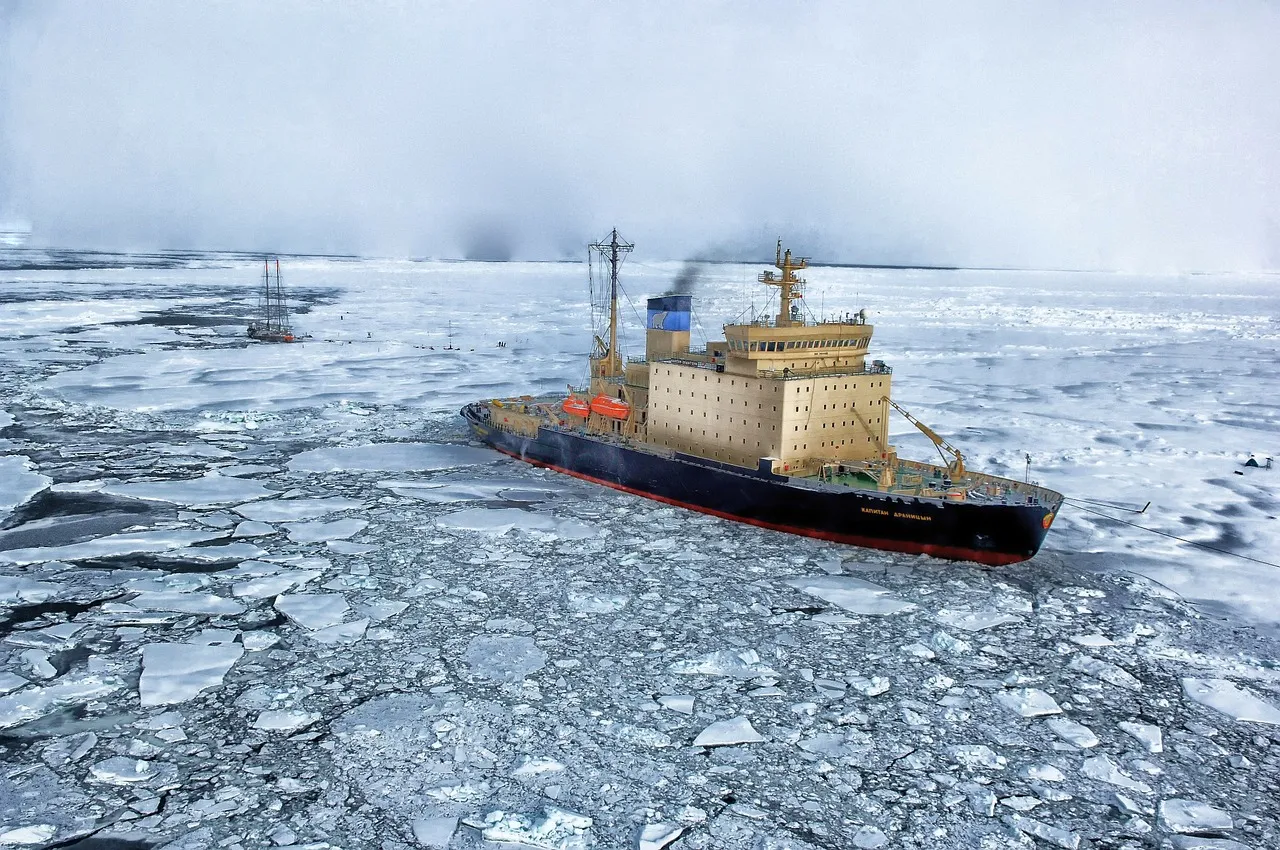
A group of scientists have come up with a really crazy plan to solve the Arctic crisis. According to them, if the Arctic ice sheets are melting, why not simply refreeze them. Simple right? Not quite!
Their plan includes using 10 million wind-powered pumps to cover 10% of the existing ice sheets with sea water. To do this, they will need all those pumps to have an output capacity of 7.5 kg of water per second just to add 3 feet of ice over the 10% area. The water pumped over these caps will freeze quickly due to the sub-zero temperatures.
Also, since they will need to add 4 feet of water for the ice to grow 3 feet thicker, this will bring down the water level of the surrounding considerably. In fact, it will have such a huge impact that, for every year they do this, they postpone the loss of the ice caps by 17 years!!
This sounds like a great plan but it has a few drawbacks. For one, it would take a lot of money to do this, costing $50 billion to carry out the refreezing for just a year and that too over a 10% area. It would also require 10 million tonnes of steel a year.
Skepticism

While the plan sounds effective, there are a lot of people who are skeptic. Apart from the high cost and technical difficulties of carrying out the refreezing, there are other more macro-level issues at play.
For example, there would still be a rising level of CO2 emissions and this will just keep increasing the global temperatures and keep melting those ice sheets. This might render the project useless or at the most it would serve as a bandaid.
Many believe that we should instead focus on reducing and completely halting our dependence on fossil fuels for our energy needs and look for cleaner sources of energy.
What I personally believe is that we could run the project for a year which would buy us at least some time to implement other changes that would have a permanent or long lasting effects. After all $50 billion doesn’t look too large when compared to what the world spends on defence!
All images have been taken from the public domain.

 for more future content.