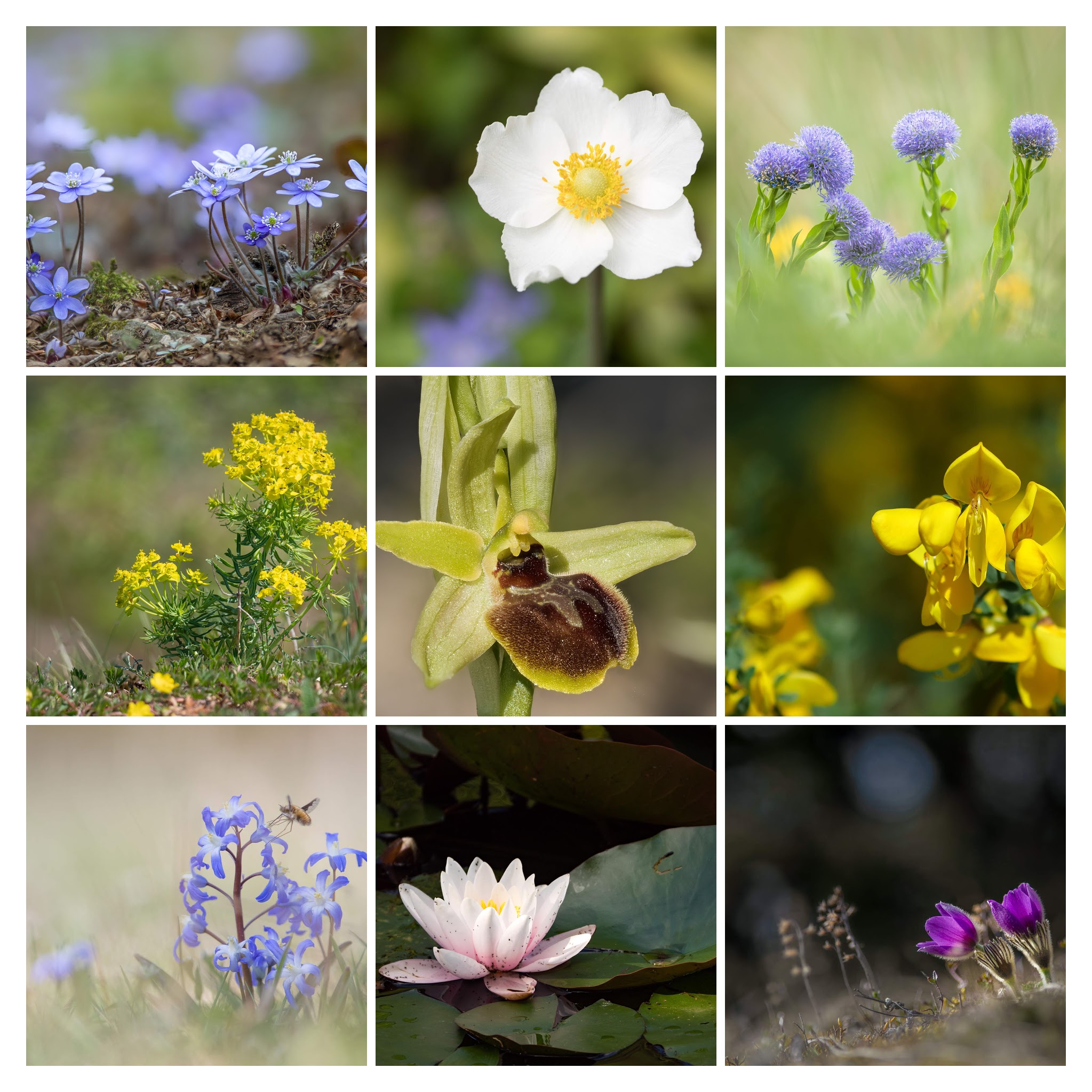
▲ Click on the image for full resolution ▲
Trotz aller Einschränkungen, die das Leben aufgrund der derzeitigen Sachlage mit sich bringt, lasse ich mir das Leben nicht vermiesen. Touren in der Natur sind für mich gerade jetzt enorm wichtig. Im Büro kann ich mich der täglichen Flut von Informationen nicht entziehen. In meiner Freizeit ist es für mich um so wichtiger, abzuschalten von dem was sonst so auf mich hereinprasselt. Einzutauchen in unsere heimische Flora & Fauna verschafft mir den nötigen Abstand, so kann ich klar denken und zu handeln. Was ist wichtiger als glücklich und zufrieden, das Beste aus der Situation zu machen.
In spite of all the restrictions that life brings with it due to the current situation, I do not let life spoil my life. Tours in the nature are very important for me right now. In the office I cannot escape the daily flood of information. In my free time it is all the more important for me to switch off from what is usually coming my way. Diving into our native flora & fauna gives me the necessary distance, so I can think and act clearly. What is more important than being happy and content to make the best out of the situation.
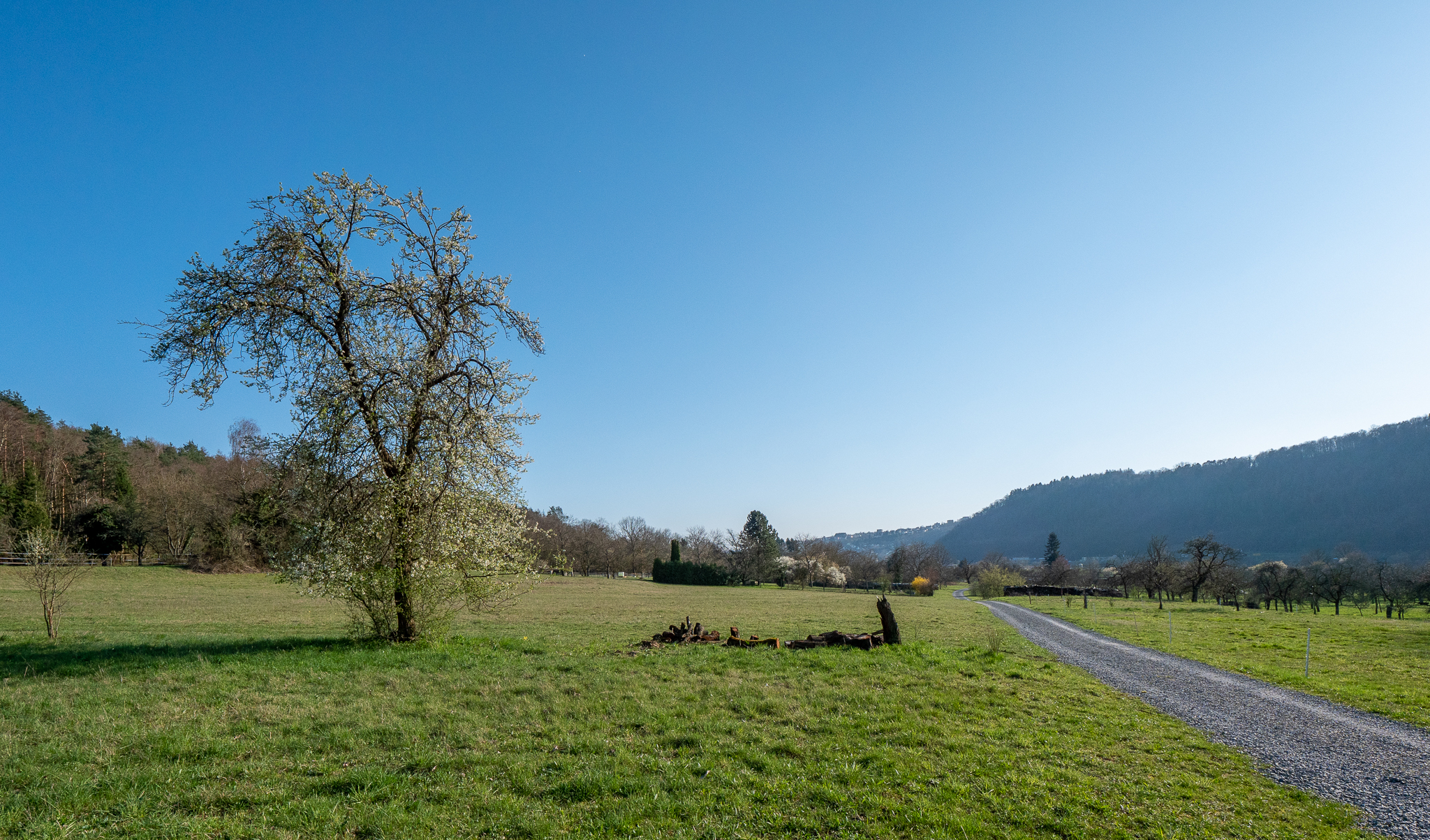
▲ Click on the image for full resolution ▲
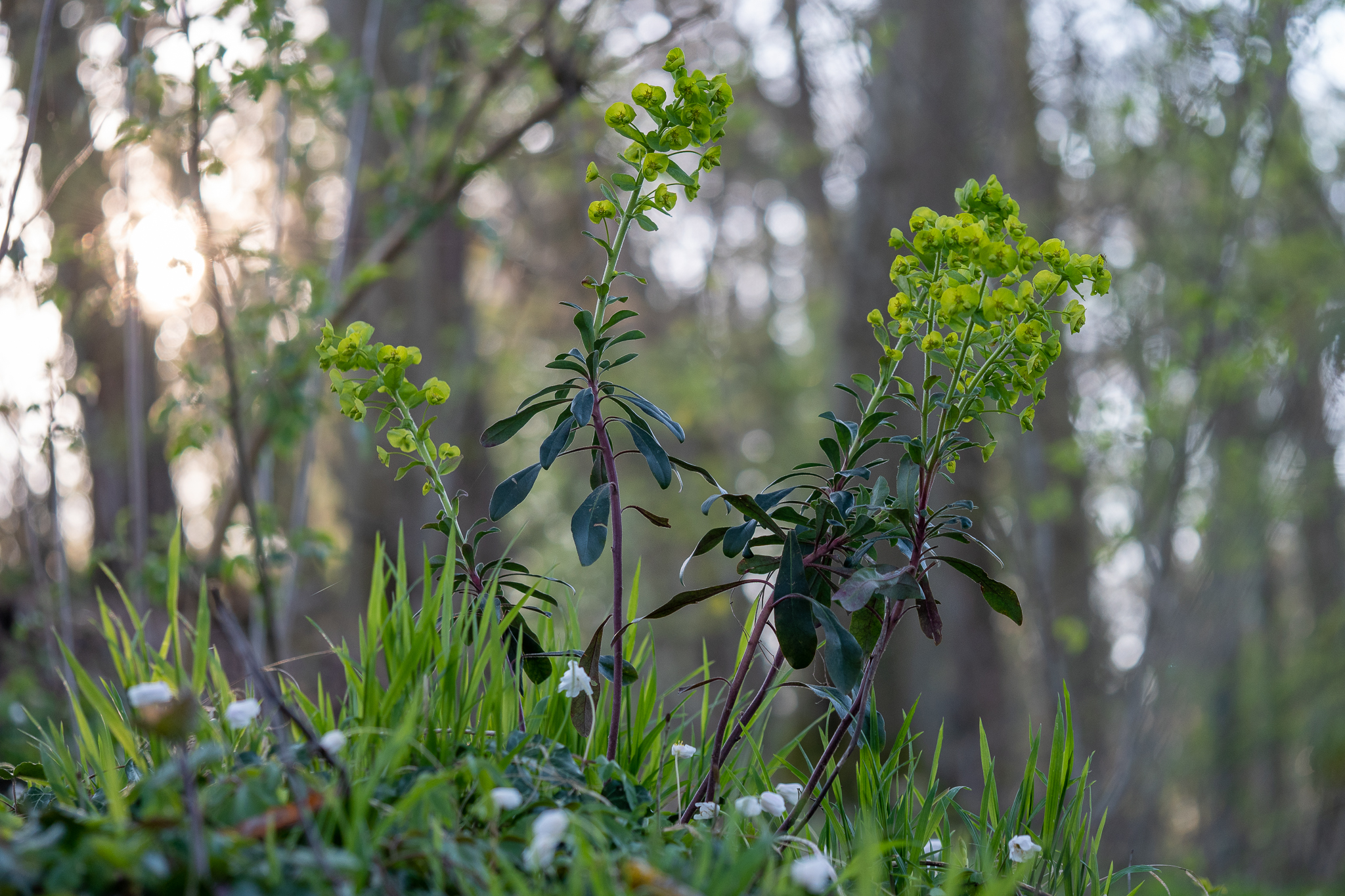
🌱 Mandel-Wolfsmilch ■ Wood spurge
Euphorbia amygdaloides
Eine typische Pflanze die man auf nährstoffreichen Böden entlang von Waldwegen findet. Eine Auffällige Pflanze mit einer Wuchshöhe von bis zu sechzig Zentimeter. Allerdings kein Kraut zu Verzehr, den diese Pflanze ist giftig.
_
▲ Click on the image for full resolution ▲
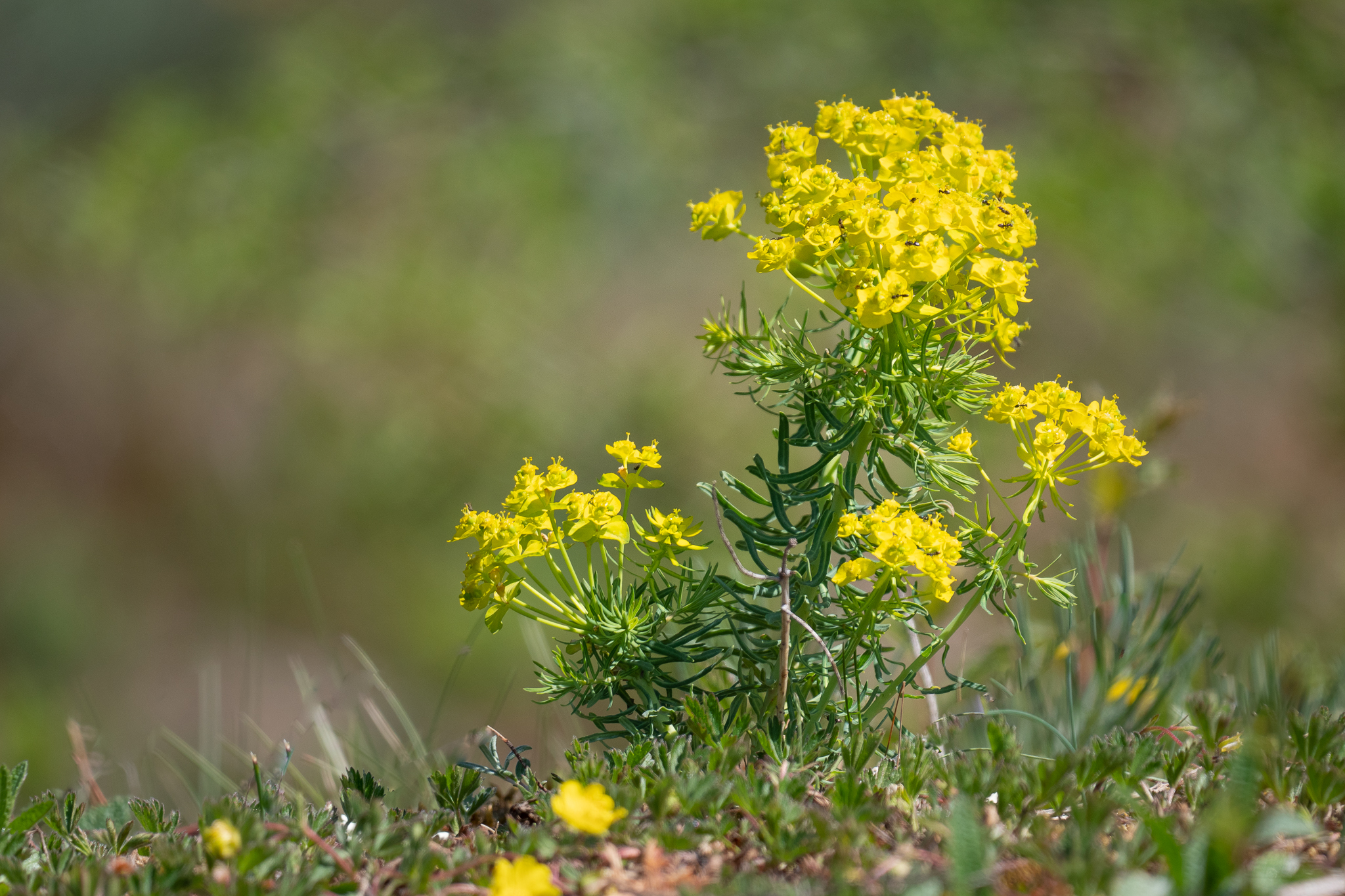
🌾 Zypressen-Wolfsmilch ■ Cypress spurge
Euphorbia cyparissias
Auch die Zypressen-Wolfsmilch ist eine Giftpflanze. Kontakt mit dem milchig weißen Saft sollte vermieden werden. Aber es gibt auch Spezialisten wie die Raupe des Wolfsmilchschwärmer (Hyles euphorbiae). Sie ernährt sich von der Wolfsmilch. Das Gift der Wolfsmilch schützt sie vor Fressfeinden.
_The cypress spurge is also a poisonous plant. Contact with the milky white sap should be avoided. But there are also specialists like the caterpillar of the spurge hawk moth (Hyles euphorbiae). It feeds on cypress spurge. The poison of spurge protects it from predators.
▲ Click on the image for full resolution ▲
🌼 Buschwindröschen ■ Wood anemone
Anemone nemorosa
Im Frühling sind die Wälder voll mit dem Buschwindröschen. Die Blüte dauert nur kurz, denn wenn sich das Blätterdach der Bäume schließt, fehlt dieser Pflanze das Licht im Wald. Der Frühling bringt stetigen Wandel.
In spring the forests are full of anemones. The flowering lasts only a short time, because when the leaf canopy of the trees closes, this plant lacks the light in the forest. Spring brings constant change.
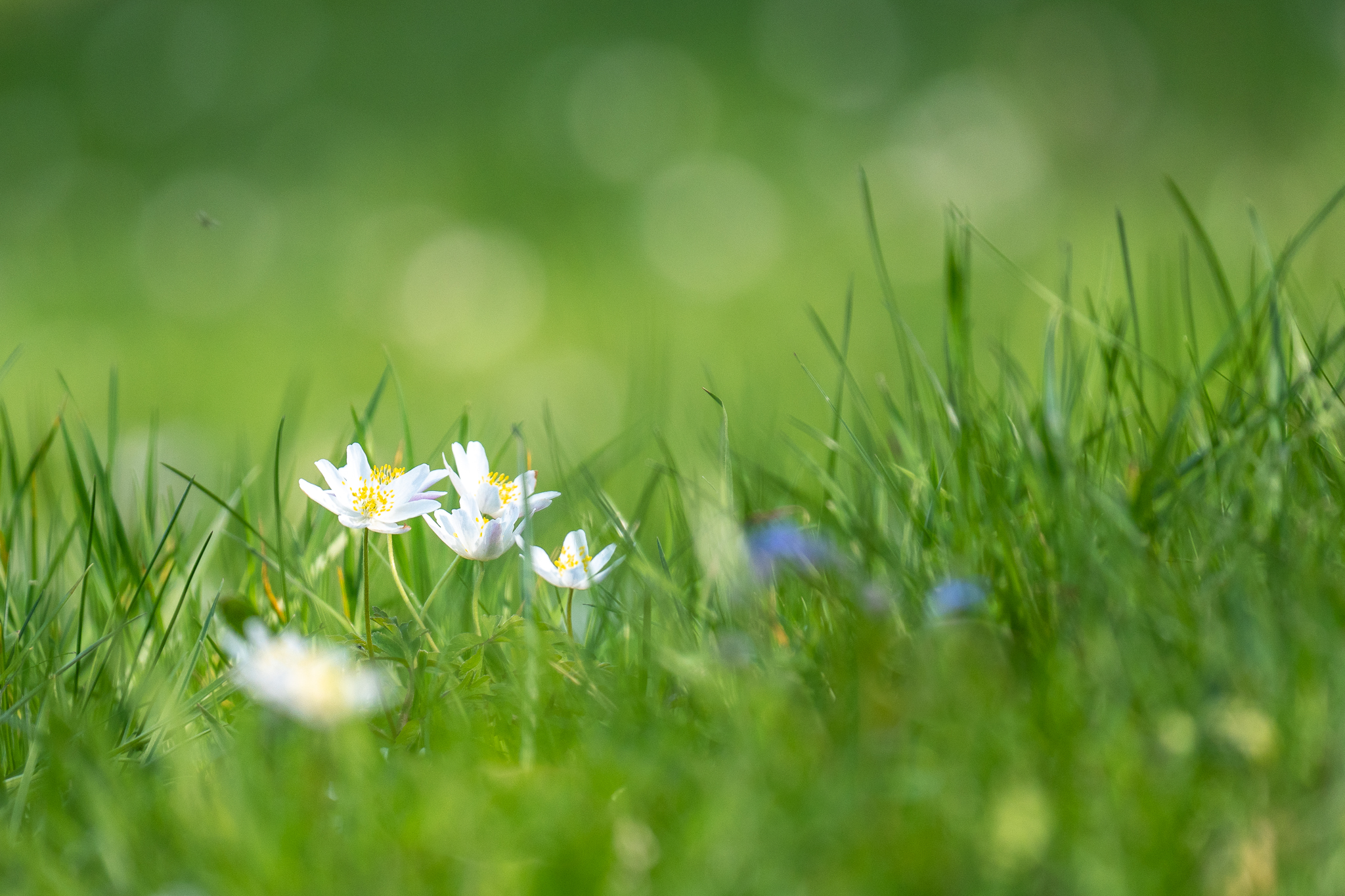
▲ Click on the image for full resolution ▲
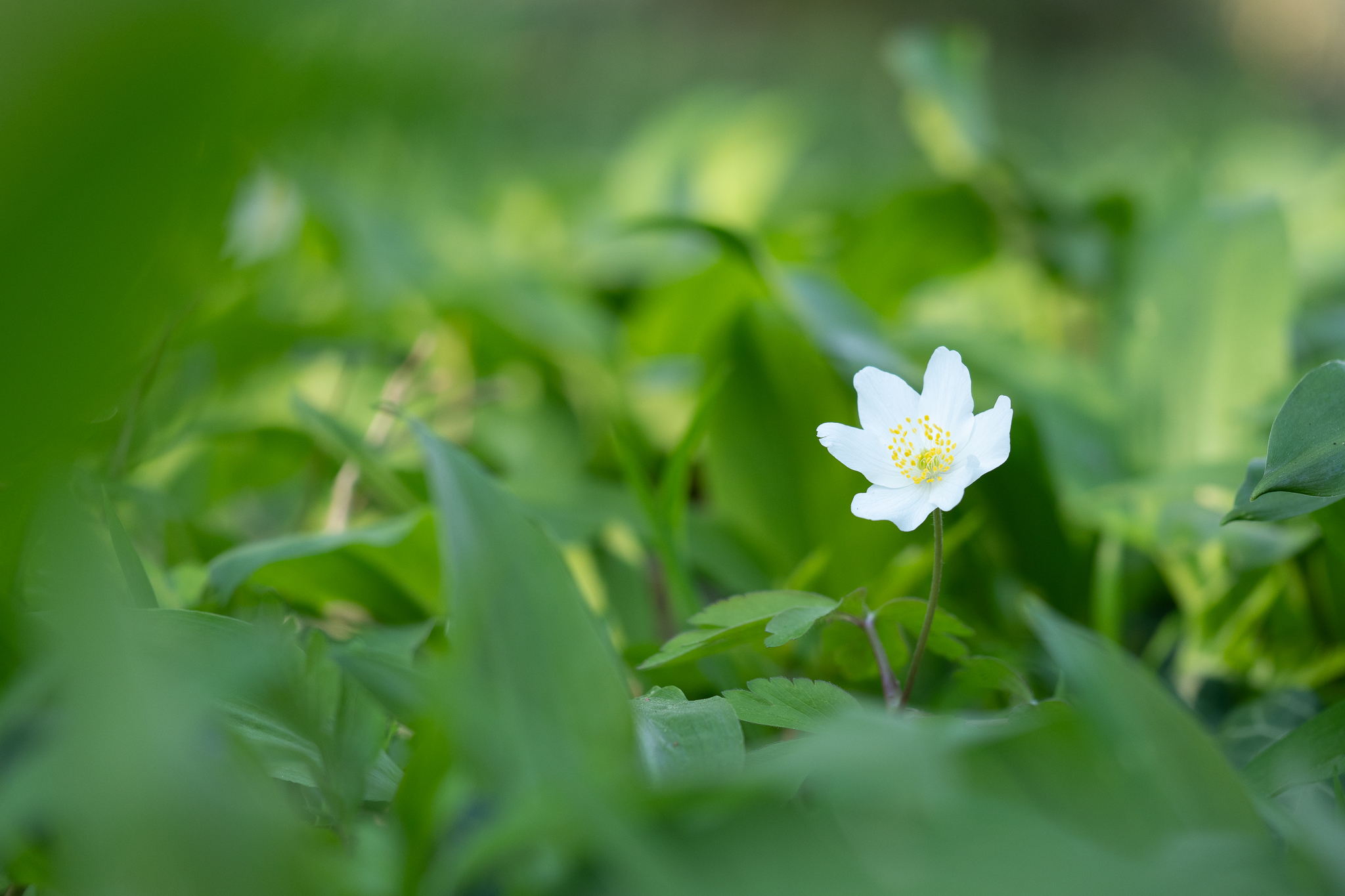
▲ Click on the image for full resolution ▲
🌾 Hohler Lerchensporn ■ Hollow larkspur
Corydalis cava
Auch der Lerchensporn braucht Sonnenlicht, um zu blühen. Treiben die Bäume ihre Blätter, aus dringt nur noch wenig Licht bis zum Waldboden durch. Auch mit dieser Blütenpracht ist es dann schnell vorbei.
Even the larkspur needs sunlight to bloom. When the trees are turning their leaves, only little light can reach the forest floor. Even with this blossom splendour it is then quickly over.
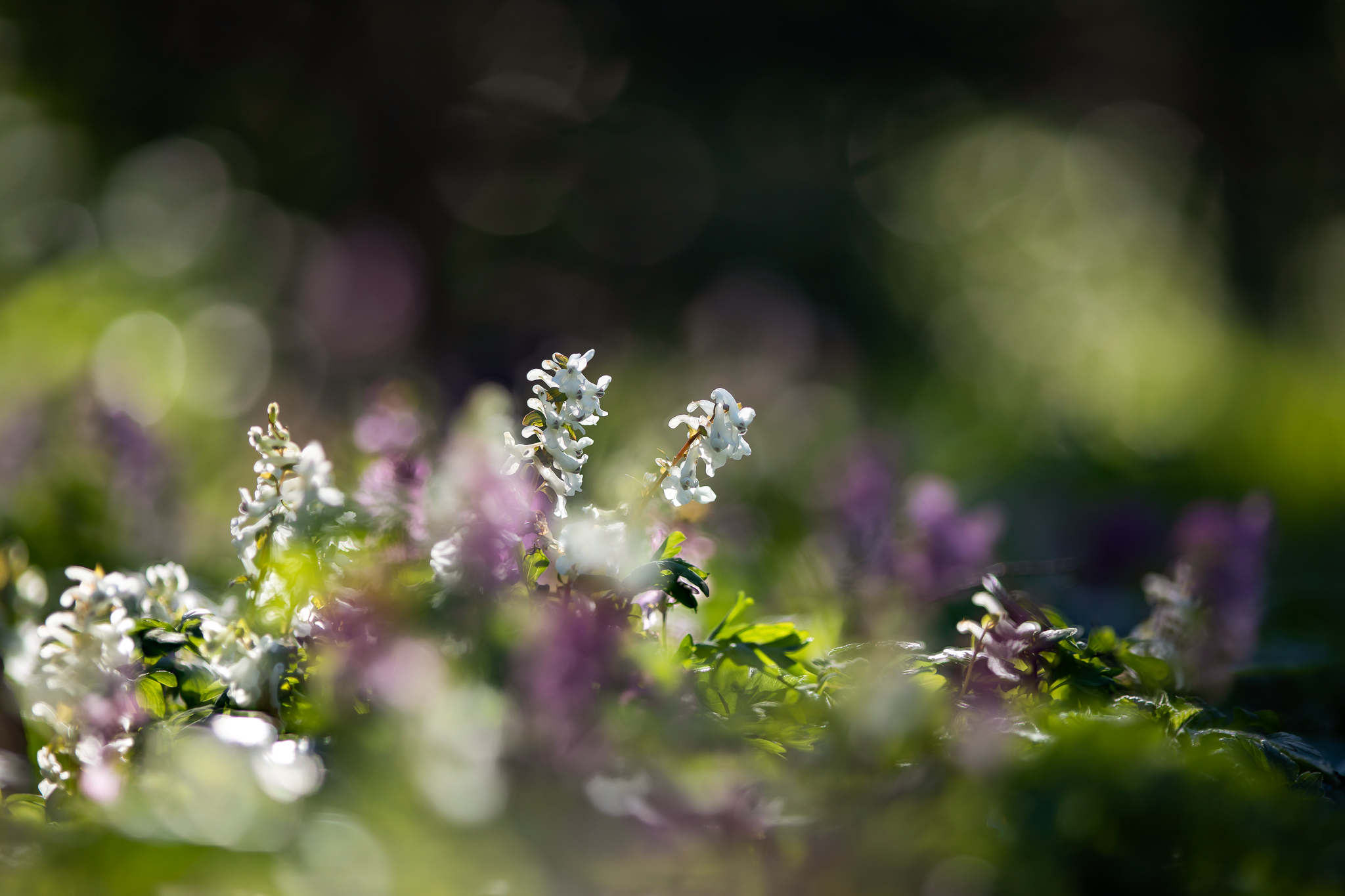
▲ Click on the image for full resolution ▲
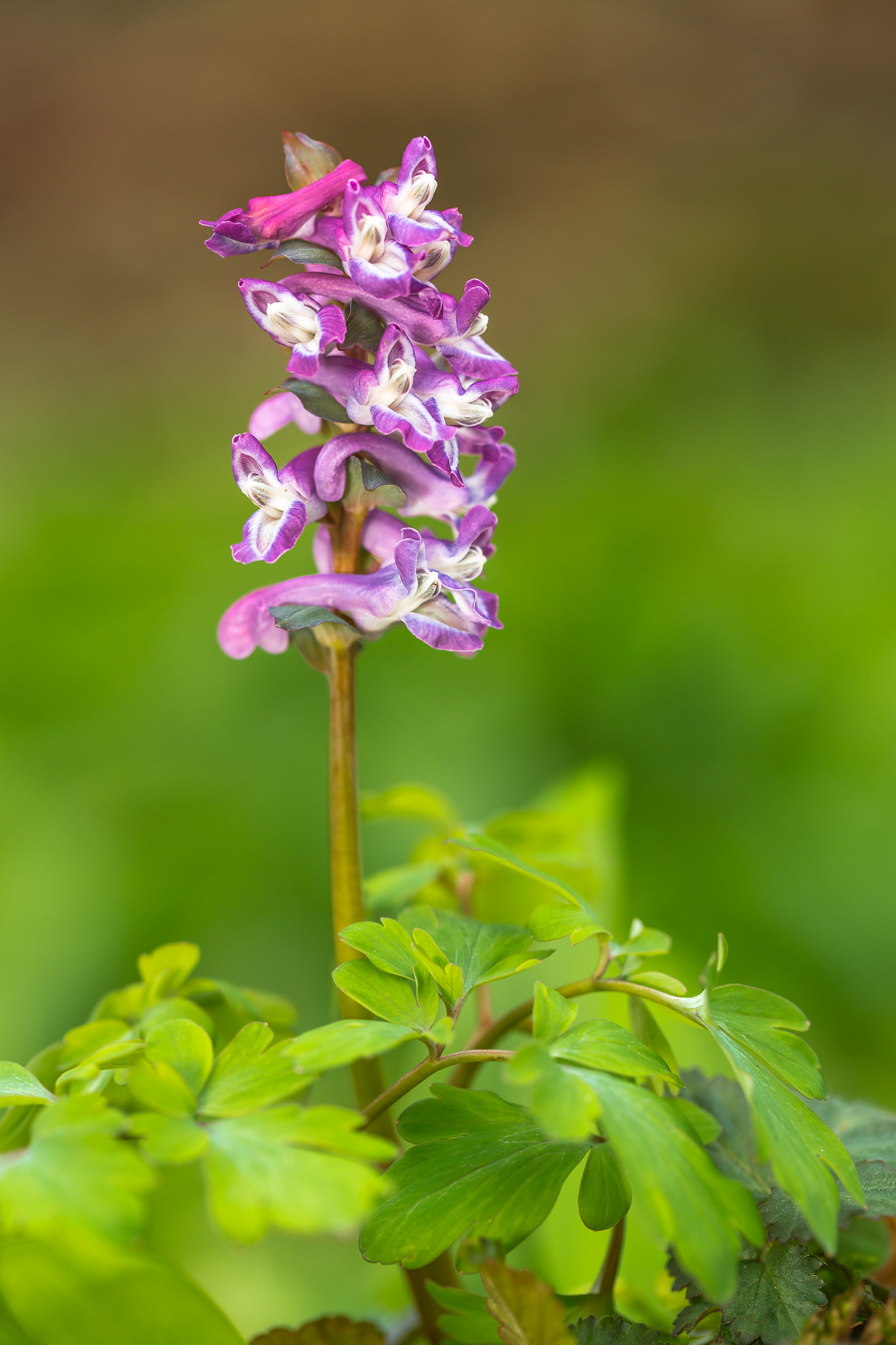
▲ Click on the image for full resolution ▲
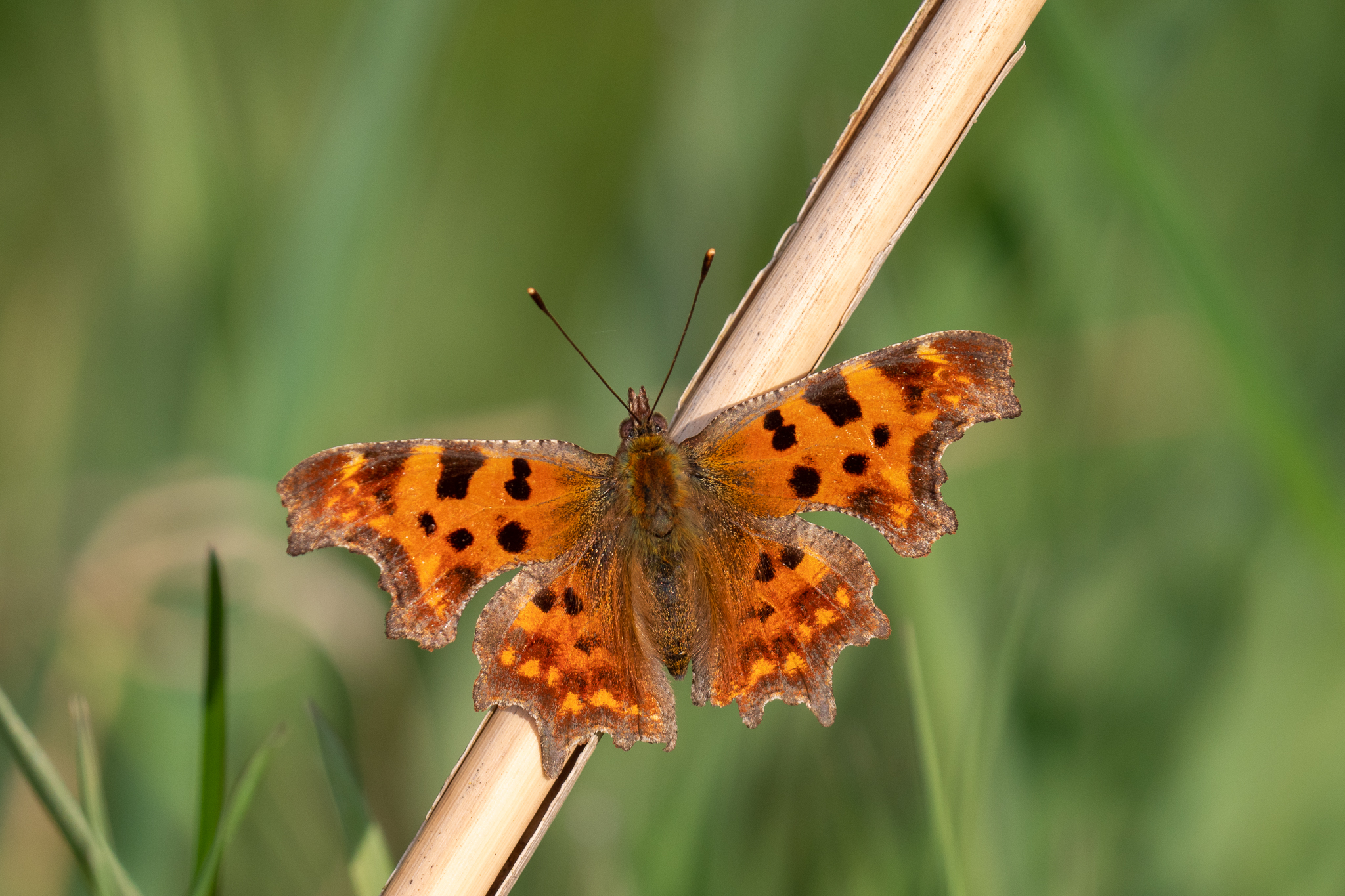
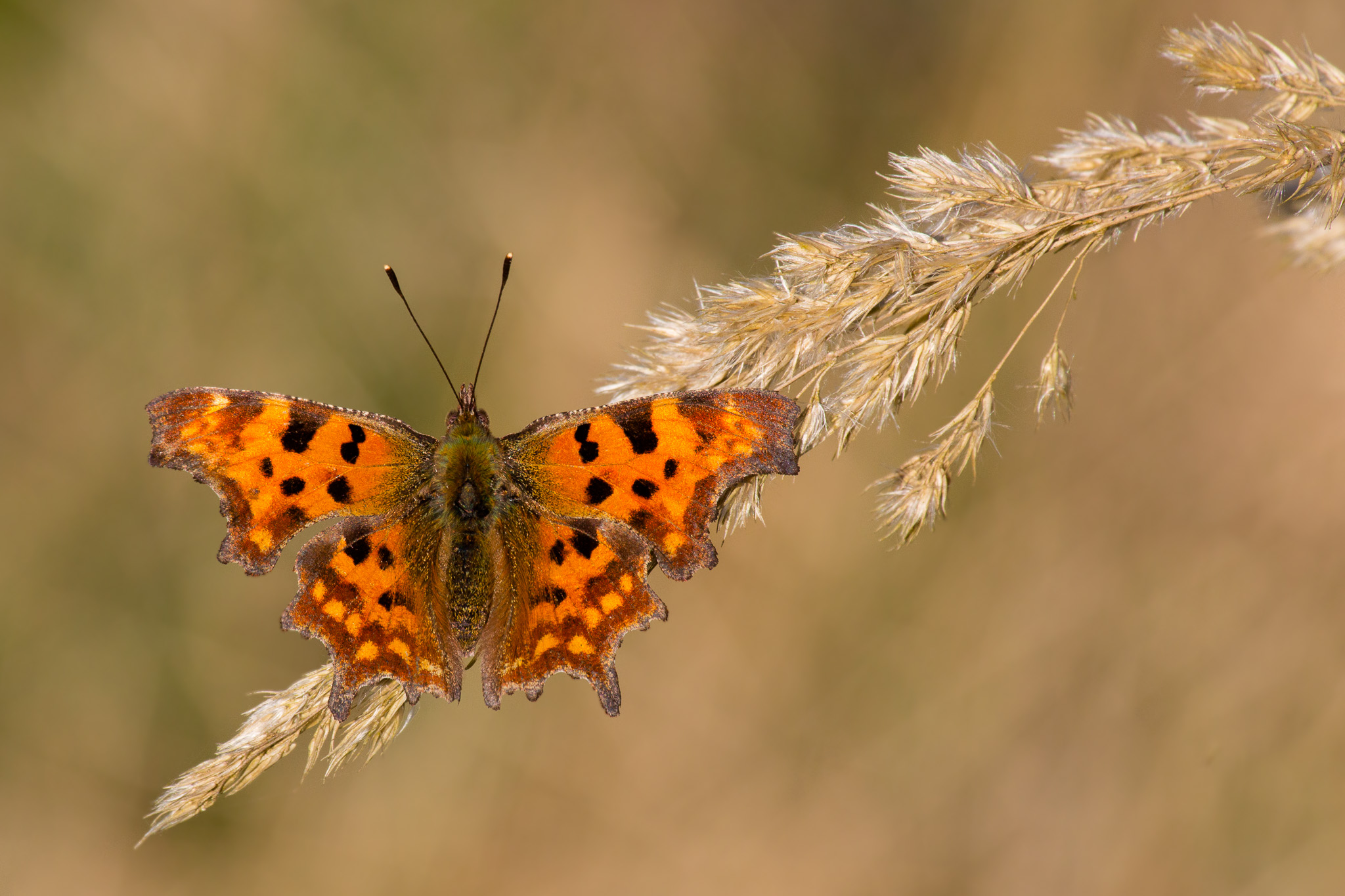
🦋 C-Falter ■ The comma
Polygonia c-album
Dem C-Falter geht es wie mir. Er freut sich, dass die Sonne strahlt, und genießt das wärmende Wetter. Er zeigt ein ausgeprägtes Revierverhalten und verteidigt sein Gebiet vor allen Eindringlingen vehement. Dabei kommt er gerne immer wieder zum gleichen Ansitz zurück.
The comma butterfly is like me. He is happy that the sun is shining and enjoys the warm weather.He shows a distinctive territorial behaviour and defends his territory vehemently against all intruders. He likes to return to the same hide again and again.
▲ Click on the image for full resolution ▲
▲ Click on the image for full resolution ▲
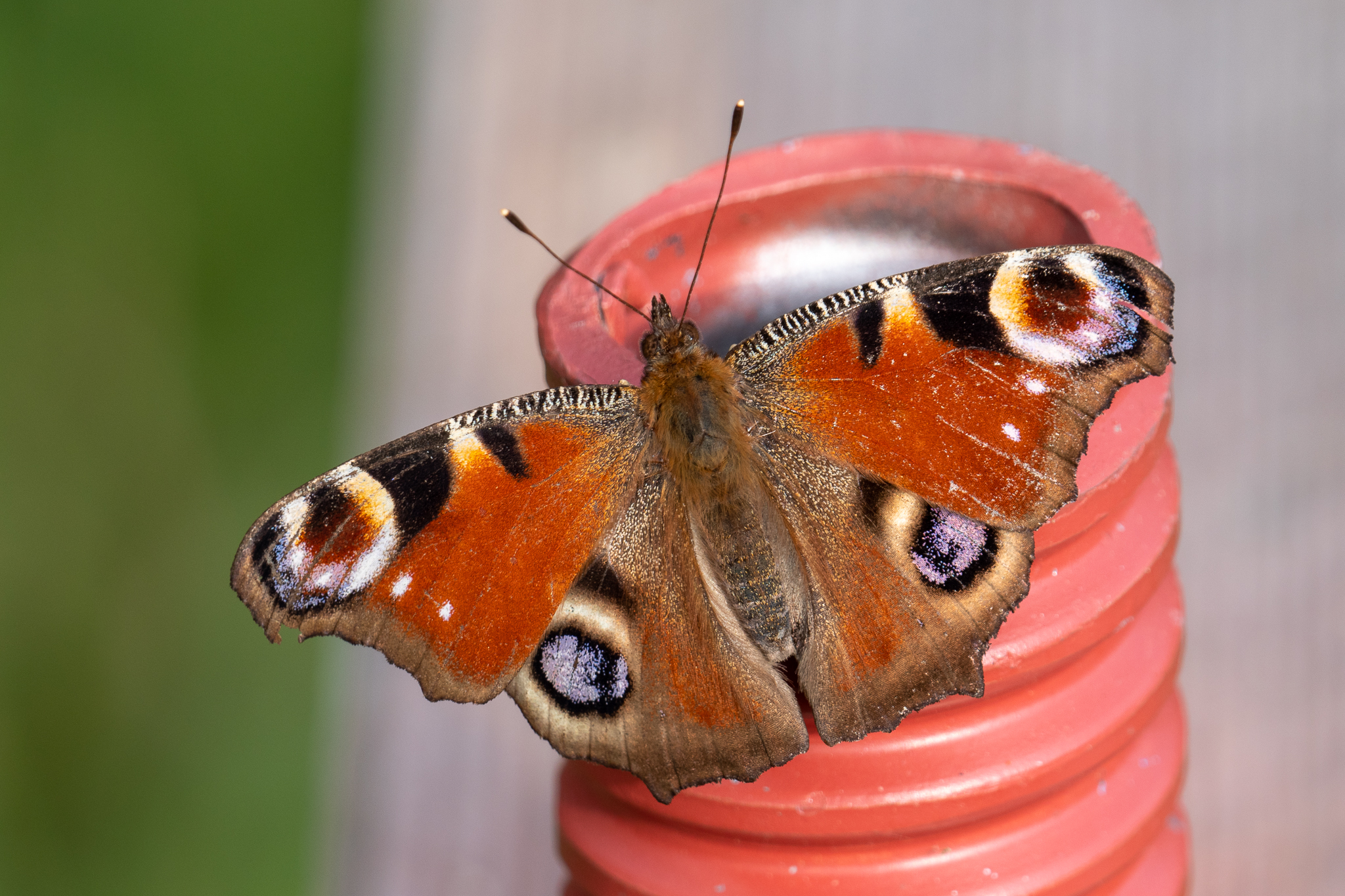
🦋 Tagpfauenauge ■ European peacock
Inachis io (Linnaeus, 1758)
Warum sich dieses Tagpfauenauge einen etwas unkonventionellen Ansitz ausgesucht hatte, bleibt mir ein Rätzel. Auf jeden Fall ist es immer wieder zu dieser Stelle zurückgekehrt, um sich auszuruhen. Mit etwas Geduld durfte ich auch ganz nah herankommen.
Why this european peacock had chosen a somewhat unconventional seat remains a mystery to me. In any case, it has always returned to this place to rest. With a little patience I was allowed to come very close.
▲ Click on the image for full resolution ▲
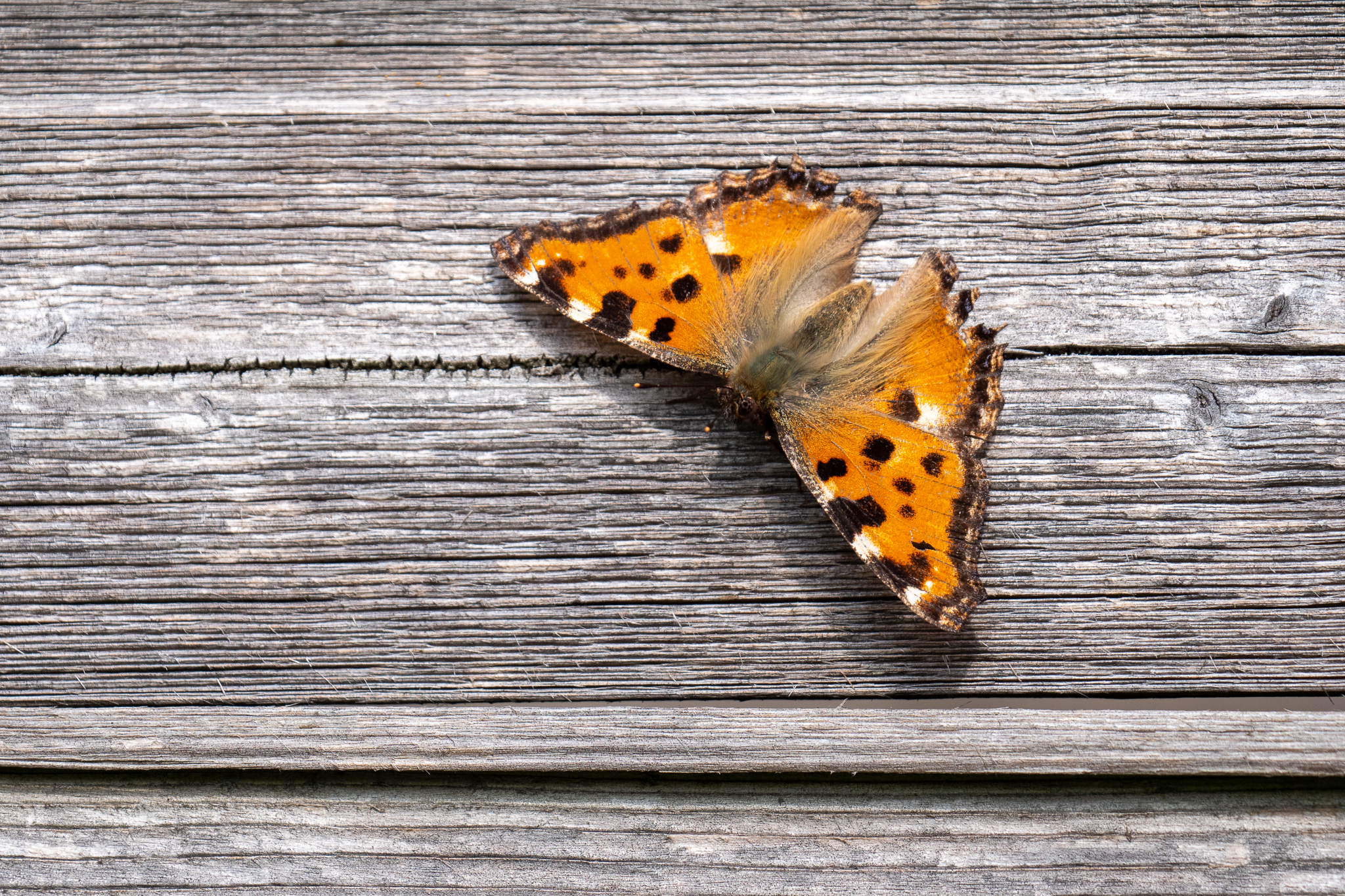
🦋 Großer Fuchs ■ Large tortoiseshell
Nymphalis polychloros (Linnaeus, 1758)
Unweit vom Tagpfauenauge hatte dieser große Fuchs sich als Ansitz einen alten Hochsitz eines Jägers ausgesucht. Er verteidigte von dort aus sein Revier und jeder Schmetterling, der sich näherte, wurde energisch vertrieben.
Not far from the european Peacock, this large tortoiseshell had chosen an old hunter's raised hide as his residence. He defended his territory from there and every butterfly that approached was vigorously chased away.
▲ Click on the image for full resolution ▲
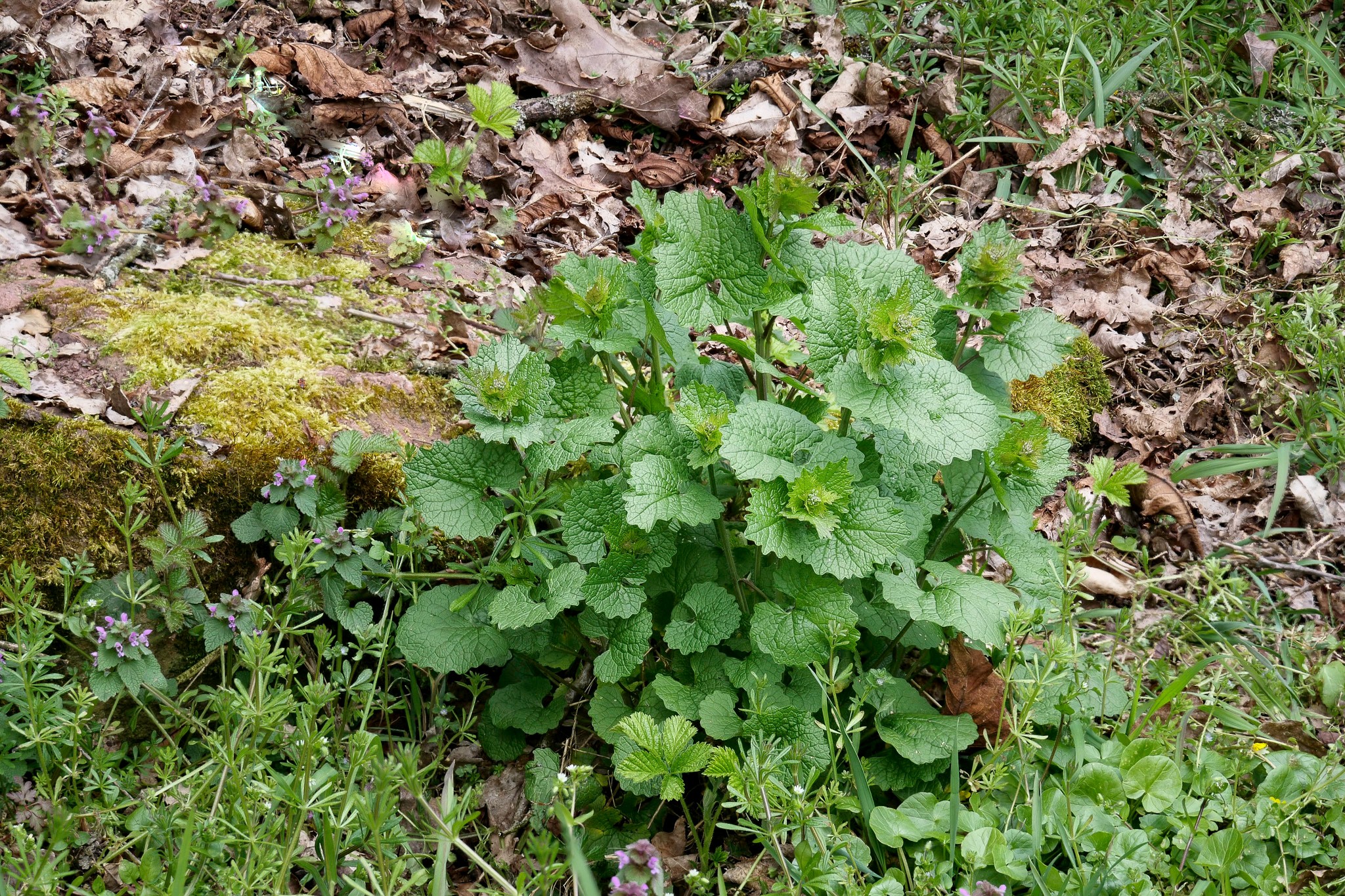
🌱 Knoblauchsrauke ■ Garlic mustard
Alliaria petiolata
Die Knoblauchsrauke ist schmackhaftes Kraut, welches ich jetzt im Frühling sehr schätze. Die Blätter der jungen Pflanze eigenen sich sehr gut für Salate oder auch einfach als Snack unterwegs in der Natur. Der leichte Knoblauchgeschmack ist angenehm und verfliegt nach kurzer Zeit. Auch Schmetterlinge wie der Aurorafalter schätzen diese Pflanze und legen ihre Eier dort ab.
The garlic mustard is a tasty herb, which I now appreciate very much in spring. The leaves of the young plant are very suitable for salads or simply as a snack when out in nature. The light garlic taste is pleasant and disappears after a short time. Also butterflies like the orange tip butterfly appreciate this plant and lay their eggs there.
▲ Click on the image for full resolution ▲
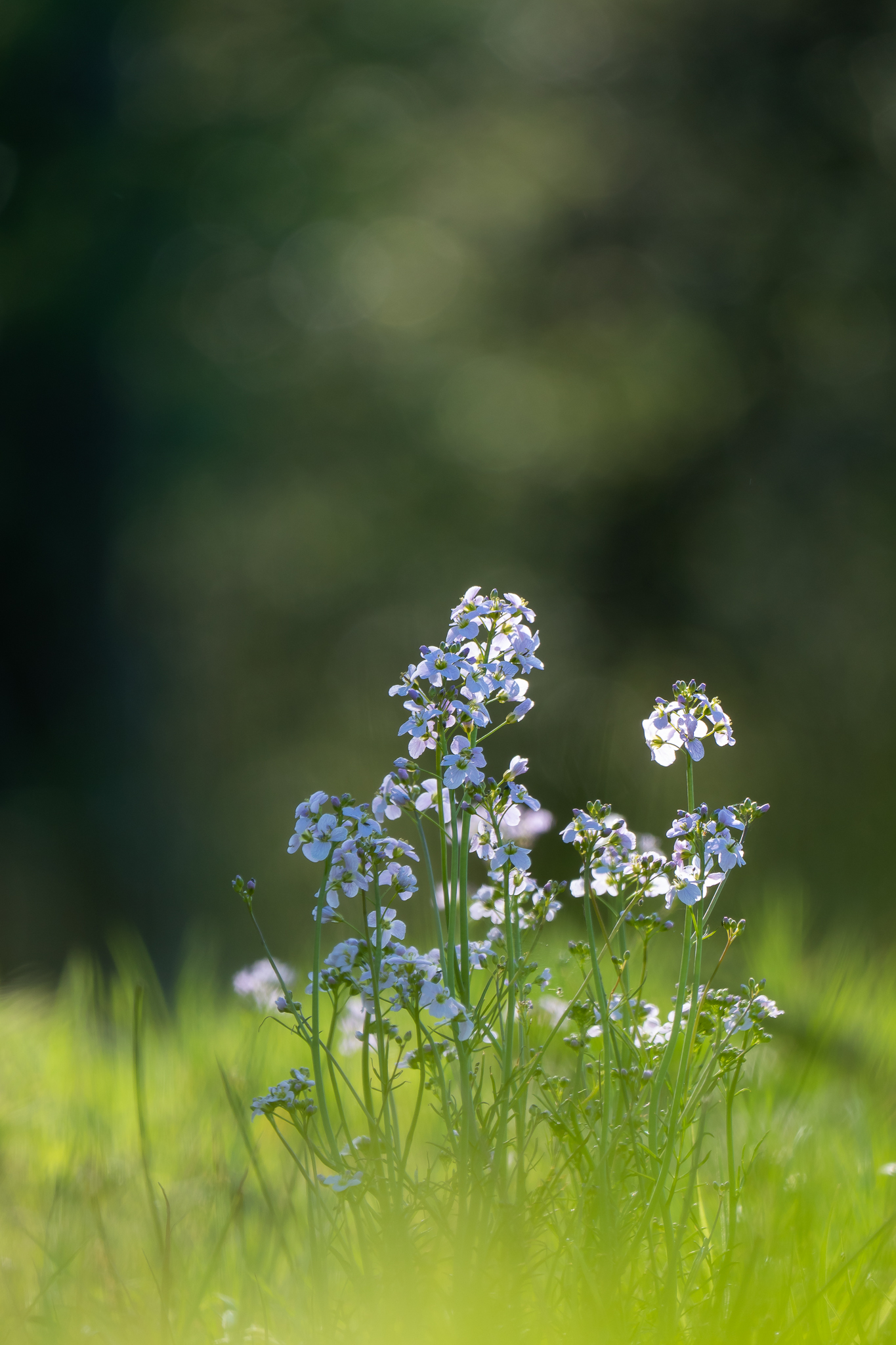
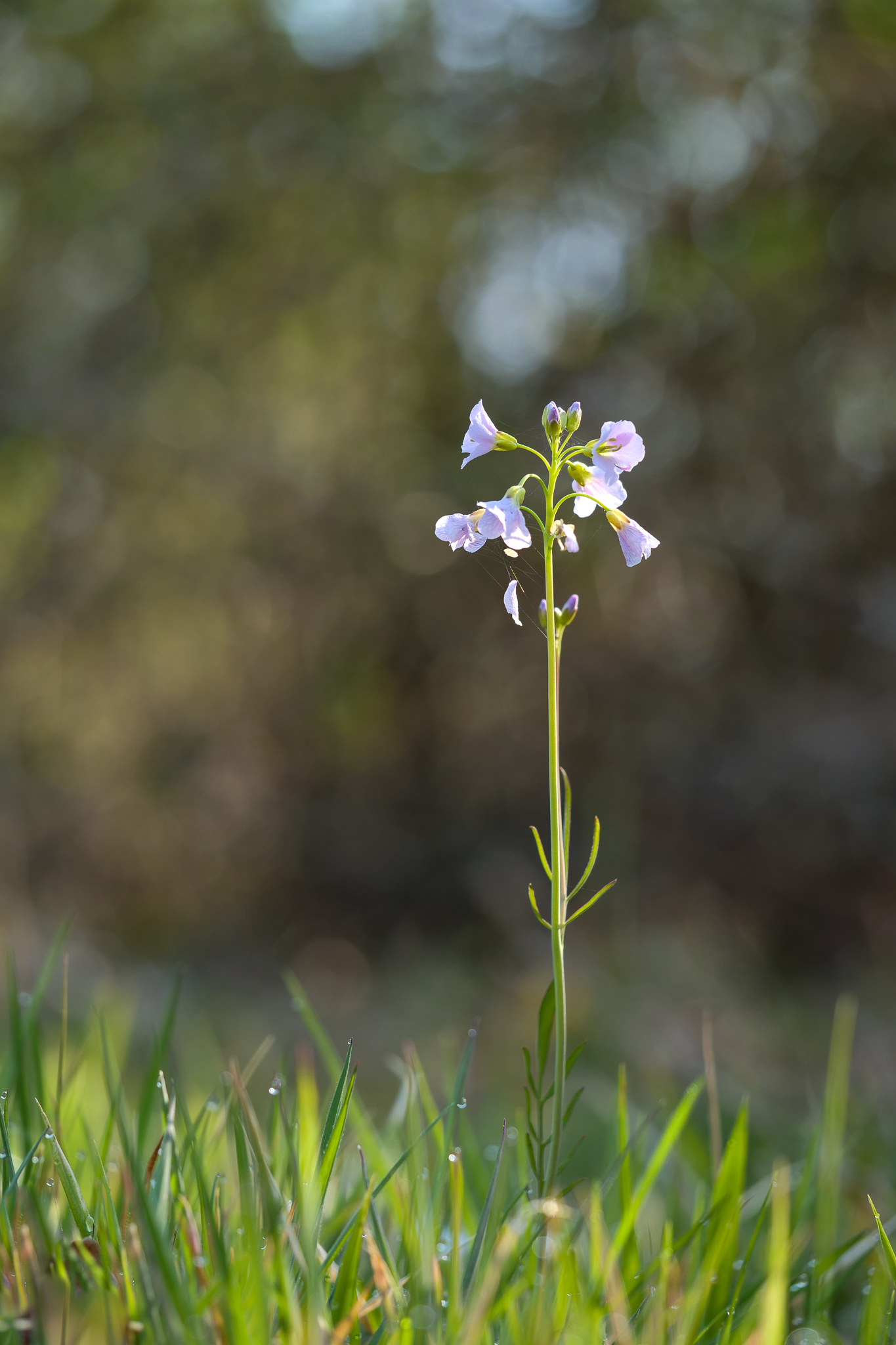
🌱 Wiesen-Schaumkraut ■ Cuckooflower
Cardamine pratensis
Für das Wiesenschaumkraut gilt Gleiches wie bereits bei der Knoblauchsrauke erwähnt. Mir schmeckt es und auch diese Pflanze nutzt der Aurorafalter für seine Fortpflanzung.
The same applies to cuckoo flower as already mentioned for the garlic mustard.I like it and the Aurora butterfly also uses this plant for its reproduction.
▲ Click on the image for full resolution ▲
▲ Click on the image for full resolution ▲
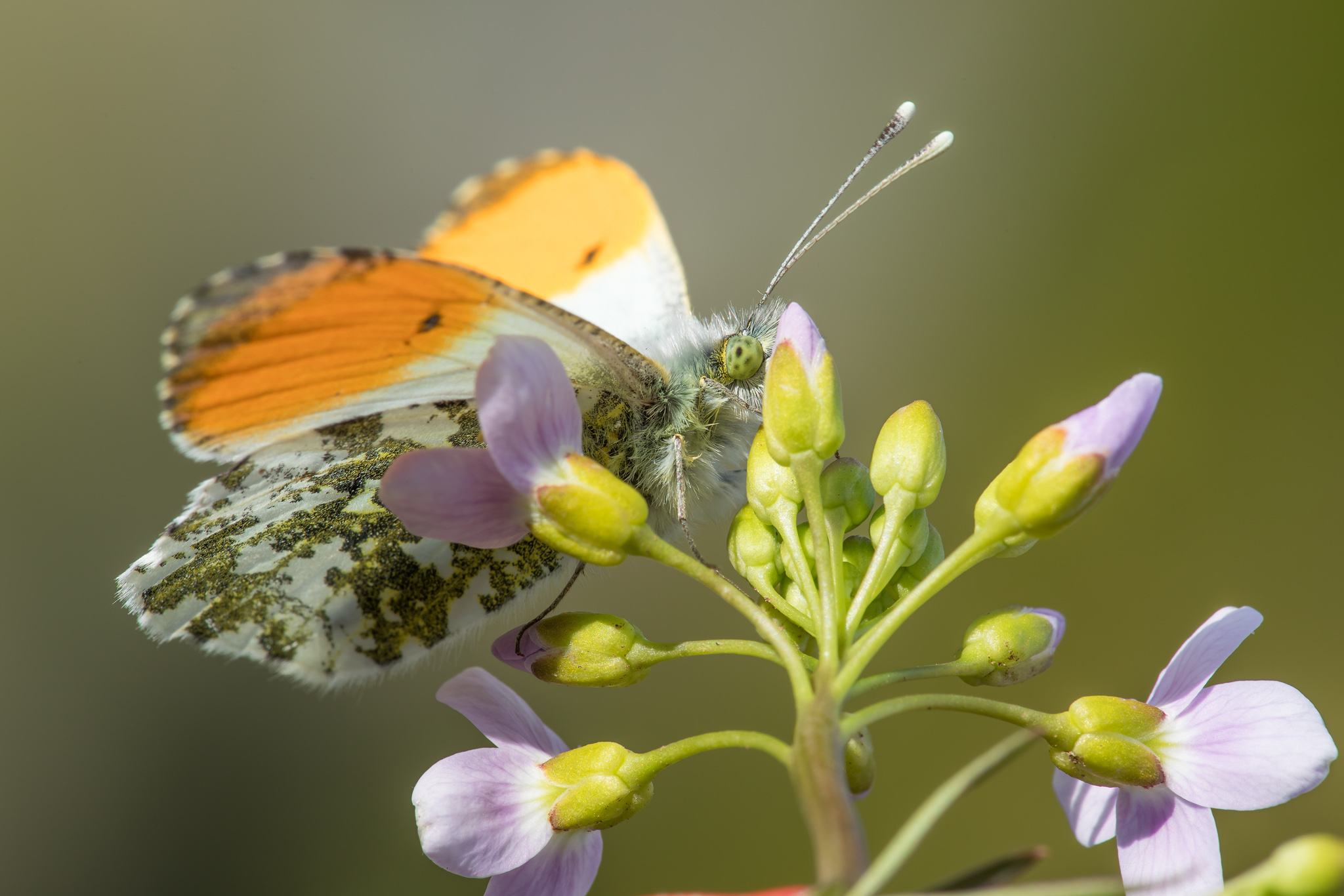
🦋 Aurorafalter ■ The orange tip
Anthocharis cardamines (Linnaeus, 1758)
Nach dem ich zwei Futterpflanzen vom Aurorafalter vorgestellt habe, darf der Schmetterling natürlich nicht fehlen. Er sitzt auf den Blüten vom Wiesenschaumkraut und genießt die Sonne.
After I presented two food plants from the orange tip, the butterfly must not be missing, of course. It sits on the flowers of the meadow cuckoo flower and enjoys the sun.
♂
▲ Click on the image for full resolution ▲
| Category: | Flora & Fauna |
| Camera: | Canon 5D Mark IV - Panasonic Lumix DC-G9 |
| Lens: | Canon EF 200 mm 1:2.8L USM - Olympus M.Zuiko Digital ED 60mm 1: 2.8 Macro |
| Location: | Germany, Bavaria, Lower Franconia, Kreuzwertheim |
Wenn dir mein Beitrag gefällt, freue ich mich über deine Nachricht.
Herzlichen Dank und viele Grüße vom 
If you like my contribution, I am looking forward to your message.
Many thanks and greetings from Germany 🦋