
Provably fair is gambling jargon that can trick you into believing that the online gambling site you are using is a good deal for you as a user. This is false, when you factor in the influence of the house edge and of the current level of misunderstanding about gambling.
I want to tell you this because: If I had saved the $5 worth of BTC I lost gambling back in 2015, I would have $182 worth of BTC right now. I was a fool for gambling it away. I should have used my common sense and waited for it to grow in value, instead of gambling and trying to make money fast, the truth is that I lost money in the long term.

Houses Edge
In dice rolls, blackjack, and roulette the house always has an edge, and is paying out a subtle but damaging percentage less than what you should be getting back for your bets. For example a coinflip should return x2 or more, but the house will offer x1.9 instead of x2. Over time this is a guaranteed loss for you as a player.
Games like poker are more fair, as you are fighting for money against other people, not against the house.
Misinformation
The lack of a realization of consequence is dangerous, many people think of only winning, when it reality you are much more likely to lose. Even casual gamblers are blind that they are likely to be throwing away hundreds of dollars a year.
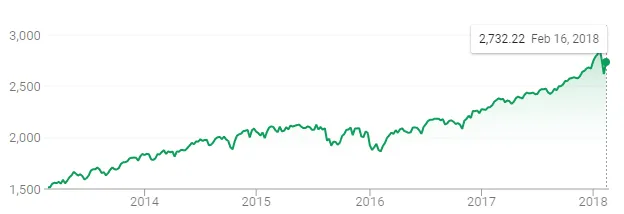
Investing in the S&P 500, you could’ve seen yearly returns of 11% on average. So that $500 of dice rolls is worth, $665 in three years. You could invest into Cryptocurrency, and potentially make returns that way over the years.
(Investing can be risky as well, but it is a better use of money compared to a casino)
It is tragic that so many people in poverty gamble, because the money that could be used to pay off debts or make valuable repairs is being wasted. There are deeper psychological undertones underneath all of this, and often a gambling addiction is a mask for something more painful.
If you do gamble you need rules and guidelines to save yourself from flying too high like Icarus.
Spare yourself some misery, and set before you bet, or even better. Invest into assets that may grow in value, like Steemit. Or at least buy your lover some flowers, that emotional memory is more worthwhile in the end. It may seem like I am trying to telling you too different things, because I am. I would much rather have you gamble your money on Crypto then a slot machine, or a gambling website.
Gambling in itself is not the problem, it's the lack of common sense and self restraint. Almost every problem that comes from gambling is when people gamble when they need to allocate the money elsewhere. I believe gambling should be done solely for fun, unless you are truly skilled at the craft and are mentally capable of making a living out of it.
Final Thoughts
Ask yourself several questions before you start gambling:
Have I paid off all my debts?
Is there any savings goal I could put this money towards instead?
Can I afford to lose all this money?
Do I have an enter and exit strategy?
If you have passed this criteria then create a strategy:
Set up a FIXED bankroll say $1,000, you cannot add or remove any money to it.
Bet only %1 of the total bankroll each time. In this case $10.
Set clear victory and defeat parameters. For example victory at $15, defeat at $5
Set up clear time constraints, for example: I will only bet for thirty minutes at a time
Set up clear deadlines - for example: I will only gamble once a month
If you think this is too rigid, you are wrong. Professional gamblers often have strategies that are similar to this, so that their emotions don’t bankrupt them. If you just want fun and that is why you wildly gamble, you can have a lot more joy and satisfaction in life when you work to apply yourself to a craft or a trade. Once you have stabilized in that, you can consider gambling. I would rather you be offended in the short term then lose thousands of dollars and cripple your financial life in the long term.

Because that $5 you have now, could be worth a $182 later.
Stay safe, and bet responsibly.
Wikipedia contributors. "Provably fair." Wikipedia, The Free Encyclopedia. Wikipedia, The Free Encyclopedia, 8 Sep. 2017. Web. 16 Feb. 2018.
S&P 500 image from Google Finance