
Hello friends of steemit, after several days without writing on this beautiful platform today I want to return to my space, I bring you a very interesting topic since it has become very common in patients who arrive at the hospital emergency where I work, I will comment on pneumonia being a serious disease, although nowadays it is curable and so much better preventable.

The World Health Organization has defined Pneumonia Acquired in the Community as a infection of the lungs caused by a wide variety of microorganisms acquired outside the scope hospital and that determine the inflammation of the lung parenchyma and the alveolar spaces.
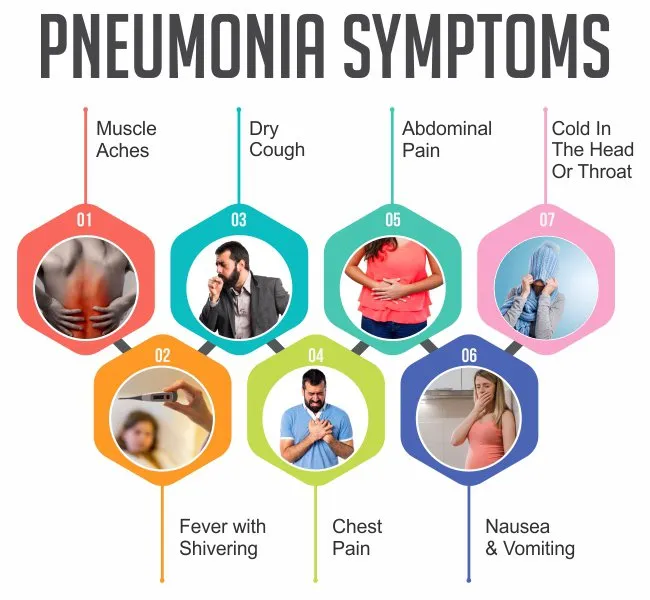
Today, it is estimated that 210 out of every 100,000 people in the world contract the disease annually, and more than 1,200,000, despite the numerous drugs available to fight it, die because of it. The patient experiences fever, chills, teeth chatter, headache, pleuritic pain and sideways sting, short and labored breathing, acute chest pain and cough, sometimes dry and often with greenish or reddish phlegm, depending on the type of pneumonia. Interestingly, although in rare cases, the respiratory organs are not irritated and, consequently, the cough does not present itself as a symptom.
Causes
Various infectious agents viruses, bacteria and fungi cause pneumonia, the most common being the following.
Streptococcus pneumoniae: the most common cause of bacterial pneumonia in children.
Haemophilus influenzae type b (Hib): the second most common cause of bacterial pneumonia.
Respiratory syncytial virus is the most frequent cause of viral pneumonia.
Pneumocystis jiroveci is a major cause of pneumonia in children under six months of age with HIV responsible for at least one in four deaths of HIV-positive infants.
Exploration and analysis
In most cases the doctor recognizes the disease by its symptoms. However, you can confirm the diagnosis with some tests:
• Torax X ray. It reveals the degree of pulmonary involvement (presence of pneumococcal condensation, fluid in the pleura).
• Sputum culture (phlegm expelled from the lungs into the mouth). It is used to determine if pneumonia is caused by an infection and identify the responsible microorganism. The culture also allows to discard the presence of Koch's bacillus (Mycobacterium tuberculosis), which causes tuberculosis, a disease with symptoms that can be confused with those of pneumonia.
• Blood test. Measures the level of oxygen and carbon monoxide in the blood. In addition, it indicates the presence of complications.
Very important:
The management of the disease should always be done at the discretion of the attending physician, the patient should never wait for a spontaneous improvement or take an antibiotic on his own.
Measures should be taken to improve the general symptoms of oxygen administration, decrease in fever and hydration
To loosen the pulmonary secretions, then the rigorous examinations that determine if the patient needs to be hospitalized, it is necessary to administer the treatment depending on the type of pneumonia, the severity of the infection, the age and the state of health of the patient, for this you should always consult with the specialist in the area.
A great prevention is to stay healthy, follow a balanced diet, exercise, avoid the use of drugs, alcohol and tobacco, get vaccinated against pneumococcus.
if you want more information you can consult the following sources:
https://www.webmd.com/lung/tc/pneumonia-topic-overview