
Image courtesy of tests.com

The 5 Senses. Taste. Touch. Scent. Sight. And sound. If you had to give one up, which would it be?
Before becoming fully disabled, I spent my last job advocating for people with disabilities, and here's my conclusion/choice.
Interestingly, in this last job, I came across a wide variety of people with all sorts of disabilities, but what I came across the least, we're people living with blindness followed by people who were deaf.
image courtesy of psst.ph

This is in part due to the fact that people with these two types of disabilities, generally flock to large city centers, verses rural towns, due to increased accessibility. Things like schools for the deaf and blind, more employers equipped to hire, more populations who share the same challenges, and just a better support network in general.
But there were still those living in the rural area I lived and worked. Upon observation though, I discovered that those living with blindness weren't met with nearly as many challenges as those living with deafness in said rural area.
For example, the blind have been organized and advocating for themselves for quite some time. This has resulted in them receiving larger payments of disability benefits, allowed them to have more flexibility with how much they work despite receiving said benefits, as well as a a wide variety of organizations that assists with the necessary equipment and supports needed.
And if you're 55 or older when you start loosing your vision, there's even more programs to assist you with the supports you need to keep your independence.
image courtesy of Google
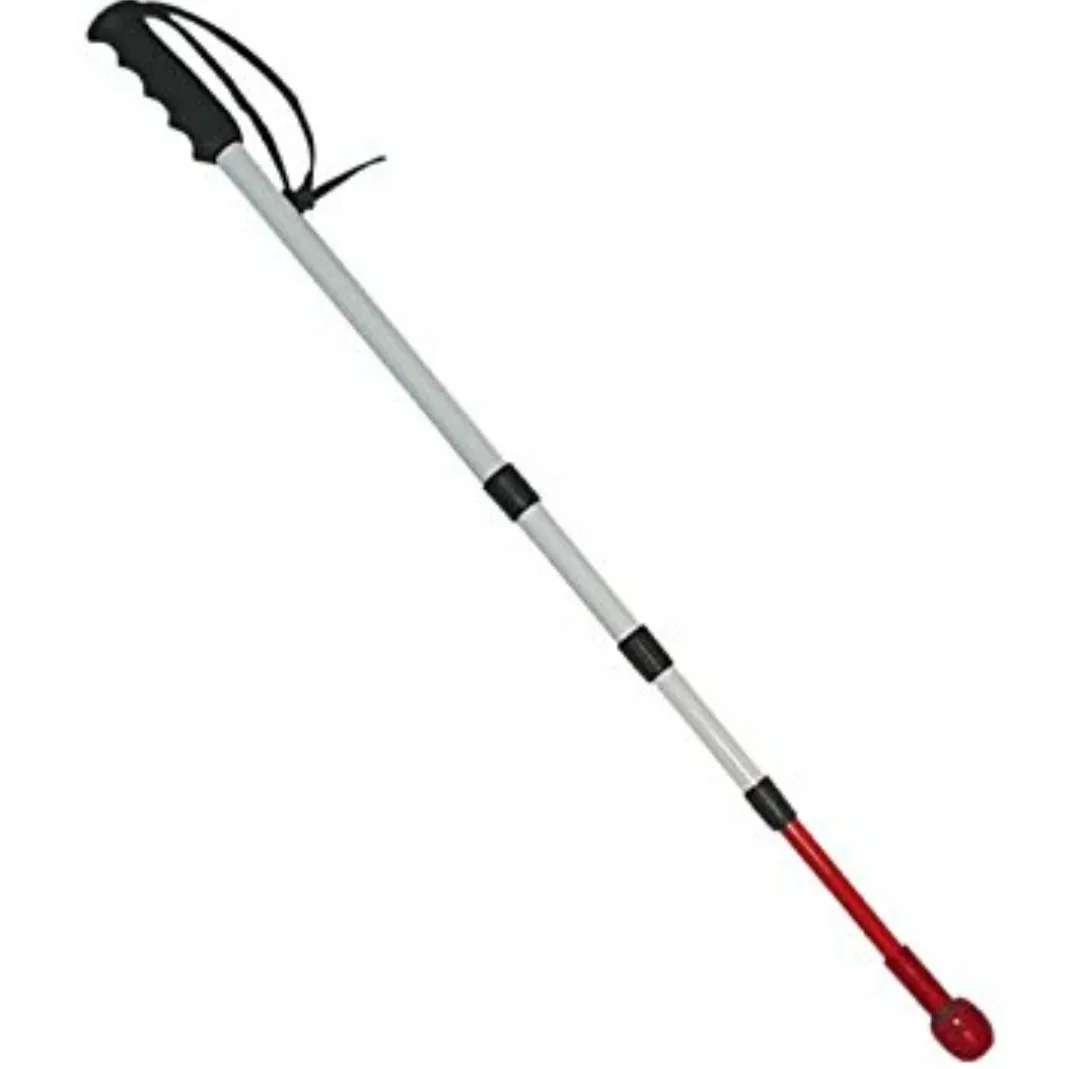
For those living with deafness, the challenges are greater. For one, deafness alone is a tremendous barrier. When blind, you can still verbally communicate your needs, interests, and desires despite living in a rural location.
image courtesy of Calgary Assoc. Of Deaf

Often those who are deaf use sign language to communicate, and unfortunately there's not alot of people able to communicate via sign language in rural areas. This leads to increased isolation, and makes socializing more difficult. The other challenge for deaf audiences in rural areas, don't use their sign language skills frequently enough, and often loose this form of communication. Thus isolating them further.
One of the biggest challenges I had advocating for the deaf, was adequate services and making the communities realize that just because the person was deaf and communicating their needs was a challenge did not in any way mean that the person was develop mentally delayed, had reduced intelligence or reduced faculties.
(One person I advocated for had literally been ostracized by his immediate family. His room thru his child and teen years looked like that of a prisoner of war, a dirty mattress on the floor, scribbling on the walls, and when his twin brother poked his eye out, nothing was ever done. No doctors visits, nothing. As an adult, they financially exploited him, taking his disability check but kicking him out on the street! This obviously was an acception, not the norm).
Life was very much for them an uphill struggle.
And so I can say with certainty, that if I had to choose to lose one of my senses, it would be my vision.
It means giving up alot, but at least I'd still be able to hear and verbally communicate my needs.