
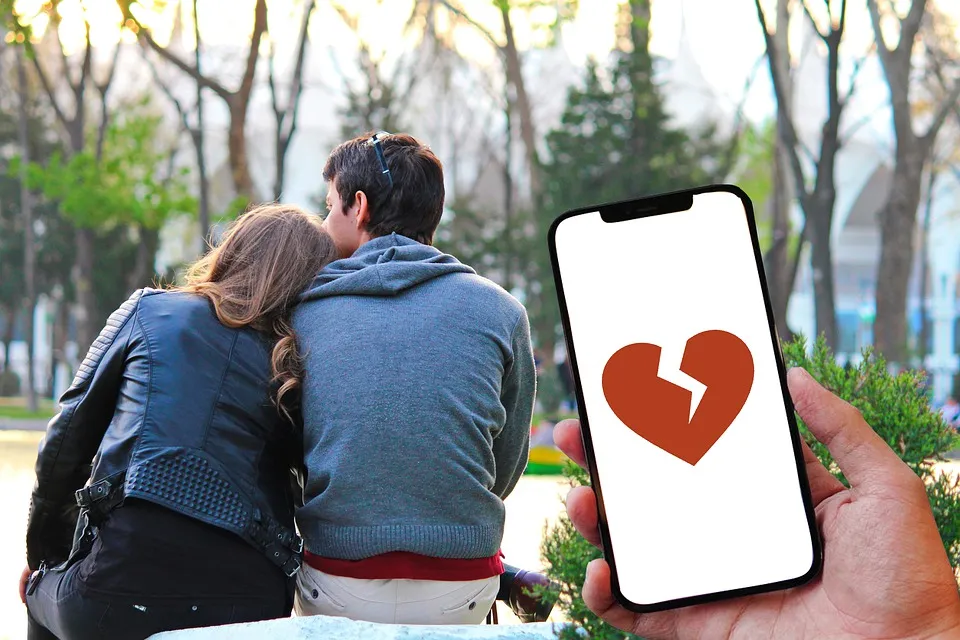
Fuente
Posteriormente, entran en juego las acostumbradas excusas que nos llevan a establecer el grado del daño de la infidelidad, como si un acto de esos, pudiera categorizarse y allí nos volvemos expertos. Empezamos a establecer una relación entre el tiempo de duración de la infidelidad y la importancia que tuvo para el infiel.
Comenzamos a culpar a la otra o al otro, porque se metió, porque no tiene principios o porque simplemente es malo, tan malo que vino a destruir un matrimonio o noviazgo que, tal vez, ya estaba mal, pero por no asumir responsabilidades eso recae en la tercera persona.
Después de varios platos rotos, camisas dañadas, de haber rallado el carro y, en casos extremos, pelearte con el sujeto del deseo, es decir la tercera persona, sin olvidar el clásico "Te vas de la casa". Llega un momento en el que inicia el proceso de reconciliación, para el cual es necesario pedir perdón y hacer méritos para ser perdonados.
Comenzamos a ver que la pareja busca las maneras de arreglar las cosas como retomar detalles que había dejado atrás. Los buenos días, mi amor, te ves hermosa! Invitarte a salir o, simplemente, decirte, Te amo, se hacen presente ¡Típico! Esto como un intento por limar las esperezas e intentar superar las cosas.

Fuente
En primer lugar, asumir una infidelidad nunca es fácil. Para ninguna de las dos partes. Por un lado, uno de los dos, descubre que fue traicionado y su amor propio es herido. Dudamos de nosotros mismos y se piere un poco nuestra seguridad. Por el otro lado, la otra parte se sabe descubierto y no tiene argumentos para explicar qué sucedió y dejó qué pasara, además de eso, nadie quiere ser tildado de infiel.
Aunando a éso, son muchos los sentimientos que se reúnen en un sólo corazón y lidiar con eso puede llegar a ser muy estresante. El dolor y la ira se hacen presentes y eso no nos deja pensar bien las cosas. Ahora bien, sobre el particular que nos ocupa, ¿se perdona o no se perdona una infidelidad? Encuentro bastante interesantes varias experiencias que sobre eso no hay nada escrito.
He visto a muchas parejas sufrir por una infidelidad y aún así superarla. He sido testigo de parejas recurrentes en el tema de la infidelidad una y otra y otra y otra vez. También he visto parejas que dicen perdonar una infidelidad y, volver a ella cuando surge alguna discusión.

Fuente
En lo que a mí refiere, considero que una infidelidad es una traición. Una traición que viene de una persona con la que decidiste emprender una vida. Un momento como ese decepciona y rompe la confianza y eso no se recupera... Se podrá perdonar e incluso intentar rescatar la relación, pero no creo que después las cosas mejoren. Realmente, no.
Sin embargo, no vinimos aquí a hablar sobre mí, así que te invito a dejarme tus opiniones sobre este tema y compartir conmigo tus experiencias...
¡Los abrazo mis amores!
[Eng]
Fuente
Subsequently, the usual excuses come into play that lead us to establish the degree of damage of infidelity, as if such an act could be categorized and we become experts. We begin to establish a relationship between the duration of the infidelity and the importance it had for the unfaithful partner.
We begin to blame the other person, because he or she got involved, because he or she has no principles or because he or she is simply bad, so bad that he or she came to destroy a marriage or courtship that, perhaps, was already bad, but for not taking responsibility that falls on the third person.
After several broken dishes, damaged shirts, having scratched the car and, in extreme cases, fighting with the subject of desire, i.e. the third person, without forgetting the classic "You're leaving the house". There comes a time when the process of reconciliation begins, for which it is necessary to ask for forgiveness and make merits to be forgiven.
We begin to see that the couple looks for ways to make things right, such as going back to details that had been left behind. Good morning, my love, you look beautiful! Asking you out or simply telling you, I love you, are all present. This is in an attempt to iron out the differences and try to get over things.
Fuente
First of all, coming to terms with infidelity is never easy. For neither of the two parties. On the one hand, one of us discovers that we have been betrayed and our self-esteem is wounded. We doubt ourselves and our self-confidence is somewhat shaken. On the other hand, the other party knows he/she has been found out and has no arguments to explain what happened and let it happen, besides that, nobody wants to be branded as unfaithful.
On top of that, there are many feelings that gather in one heart and dealing with that can become very stressful. Pain and anger are present and that does not let us think things through. Now, on the matter at hand, is infidelity forgiven or not forgiven? I find quite interesting several experiences that there is nothing written about it.
I have seen many couples suffer from infidelity and still overcome it. I have witnessed couples recurring on the subject of infidelity over and over and over and over and over again. I have also seen couples who claim to forgive an infidelity and, go back to it when an argument arises.
Fuente
I have seen couples break up for this reason and never speak to each other again, while there are others who, after forgiveness, try to have the best possible relationship, but never return. This leads me to conclude that the reactions to this issue are many and diverse. Some people simply put up with it, others do not.
As far as I am concerned, I consider an infidelity to be a betrayal. A betrayal that comes from a person you decided to start a life with. A moment like that disappoints and breaks trust, and you can't get that back.... You can forgive and even try to rescue the relationship, but I don't think things will get better afterwards. I really don't.
However, we didn't come here to talk about me, so I invite you to leave me your opinions on this topic and share with me your experiences...