
Hello feathered friends.
This is week 29 of my weekly walking and bird spotting diary.
This week was finally a little refreshing. It rained at night for a few days, while the days were mostly sunny. The temperatures dropped by about ten degrees, so I was much more mobile than in the previous two weeks.
For this week, I have documented 29 different bird species, of which two are new.
African stonechat
When leaving a populated area either on foot or by bicycle, it is almost impossible not to notice this bird. It is located right next to the road in dense vegetation or observes the surroundings from the transmission line wire. Although both sexes are represented, females are less likely to be seen because they are more careful.

Barn swallow
It is very difficult to take a good and sharp picture of these birds in flight. Fortunately, they also have to rest, and the transmission line wires are most often used for that. They almost always rest in a group.

Black redstart
I only see them in populated areas. While males usually spend time at height on roofs and antennas, females diligently collect food.

Black-crowned night heron
While the adult bird is easily recognizable, the juvenile has feathers that resemble an owl and it is very difficult to notice the difference from a distance.

Common blackbird
I followed the adult female as she hopped across the lawn with her beak full of food. Suddenly she jumped into the rain channel. To my surprise, a youngster suddenly appeared. By opening his beak wide, he let his mother know that he was hungry.

Common buzzard
It's been months since I last saw them.

Common gull
They are common during the summer months. They are most often found near water. If they do not swim, then they can be noticed in various places like this street lamp.

Common moorhen
The birds mostly hide in the thick reeds. A few days ago, I managed to notice a family of these birds enjoying a morning swim in the canal.

Common starling
I see them less often than in the previous period. Sometimes I run into a flock flying over me or a group resting on a power line.

Eurasian collared dove
Barbed wire is not a problem for this bird.

Eurasian bittern
A new species of bird that I have not had the opportunity to notice so far. It is most often hidden in reeds and is difficult to spot. This time I was lucky that she was in the front row and easily noticeable.

European goldfinch
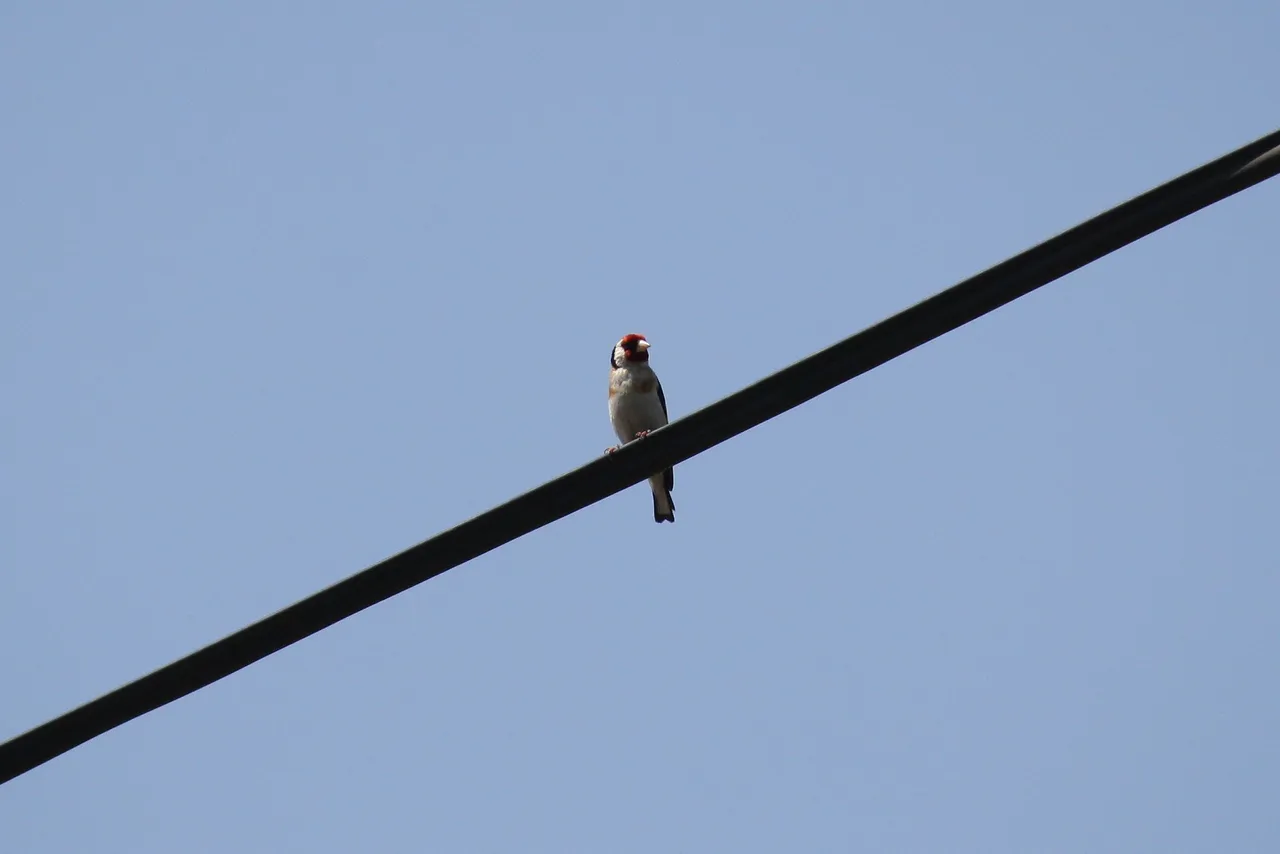
Several groups spend time around the perimeter or near populated areas.
Great grey heron
As I was walking around the pond I disturbed this bird which suddenly flew over me.

Great reed warbler
Although I know exactly where to look for them, in most cases, I am not able to see them. Patience sometimes pays off.

Hoopoe

House sparrow
Show Me A Photo Contest Round 29 is on and this week's theme is birds and flowers. Feel free to join!

Little grebe
Another bird was added to the list. Haven't seen them so far. I'll check the place again and stay a little bit longer to check if there are more of them.

Little owl
The most common type of owl during the summer.

Magpie
This magpie had some sort of wing problem and couldn't take off.

Mallard
Sometimes there are hundreds of them and sometimes they just disappear. This time I managed to notice a lone duck in the middle of the pond.

Red-backed shrike

Rook
They began to gather in large flocks. At the moment, they are exclusively outside the settlement where they collect harvest residues.

Squacco heron
Although they are mostly found in the shallows where they prey on prey, it is not strange to be noticed on top of a tree near the water.

Tree sparrow

Western yellow wagtail
I mostly meet them near irrigation canals.

White stork
This nest is over twenty years old. Unfortunately, it is not used every year.

White wagtail
This species is located closer to the settlement.

Wood pigeon
I mostly meet lonely birds in different places.

Woodpecker
They tirelessly search the trees for food.

Thank you for stopping by and supporting my content!