

¡Hola amigos! El día de hoy quiero compartir con ustedes una fobia que padezco desde niña y con la que he tenido que vivir desde entonces, no es algo que me afecte demasiado pues en mi día a día gracias Dios no me encuentro con elementos que me perturben, pero las veces que he tenido que enfrentarlo es muy desagradable. Quizá algunos de ustedes lo padezcan también sin siquiera saberlo pero el día de hoy los ayudaré a identificar y a saber un poco más sobre la Megalofobia.
Hello friends! Today I want to share with you a phobia that I have suffered from since I was a child and with which I have had to live since then, it's not something that affects me too much because in my day to day life thank God I don't encounter elements that disturb me, but the times that I have had to face it is very unpleasant. Maybe some of you suffer from it without even knowing it but today I will help you to identify and know a little more about Megalophobia.

La Megalofobia no es más que un miedo irracional, o excesivo rechazo hacia las cosas enormes como edificios, aviones, barcos, animales enormes o estatuas gigantes como la estatua de la libertad (por poner un ejemplo)
Megalophobia is nothing more than an irrational fear, or excessive dislike of huge things such as buildings, aeroplanes, ships, huge animals or giant statues like the Statue of Liberty (to give an example).


Como en todas las fobias, la intensidad puede variar, es decir mientras hay personas que les temen a los edificios, aviones o barcos por su enorme tamaño, yo por ejemplo solo siento rechazo por las estructuras como éstas.
As with all phobias, the intensity can vary, i.e. while there are people who are afraid of buildings, planes or ships because of their enormous size, I for example only feel aversion to structures like these.

Pero lo que menos soporto son las estatuas enormes, sobre si los rostros están muy cerca del piso, en serio me causa mucho repeluz y ansiedad, es algo excesivamente aterrador y desagradable.
But what I can't stand the least are the huge statues, especially if the faces are too close to the ground, it really makes me feel disgusted and anxious, it's too scary and unpleasant.

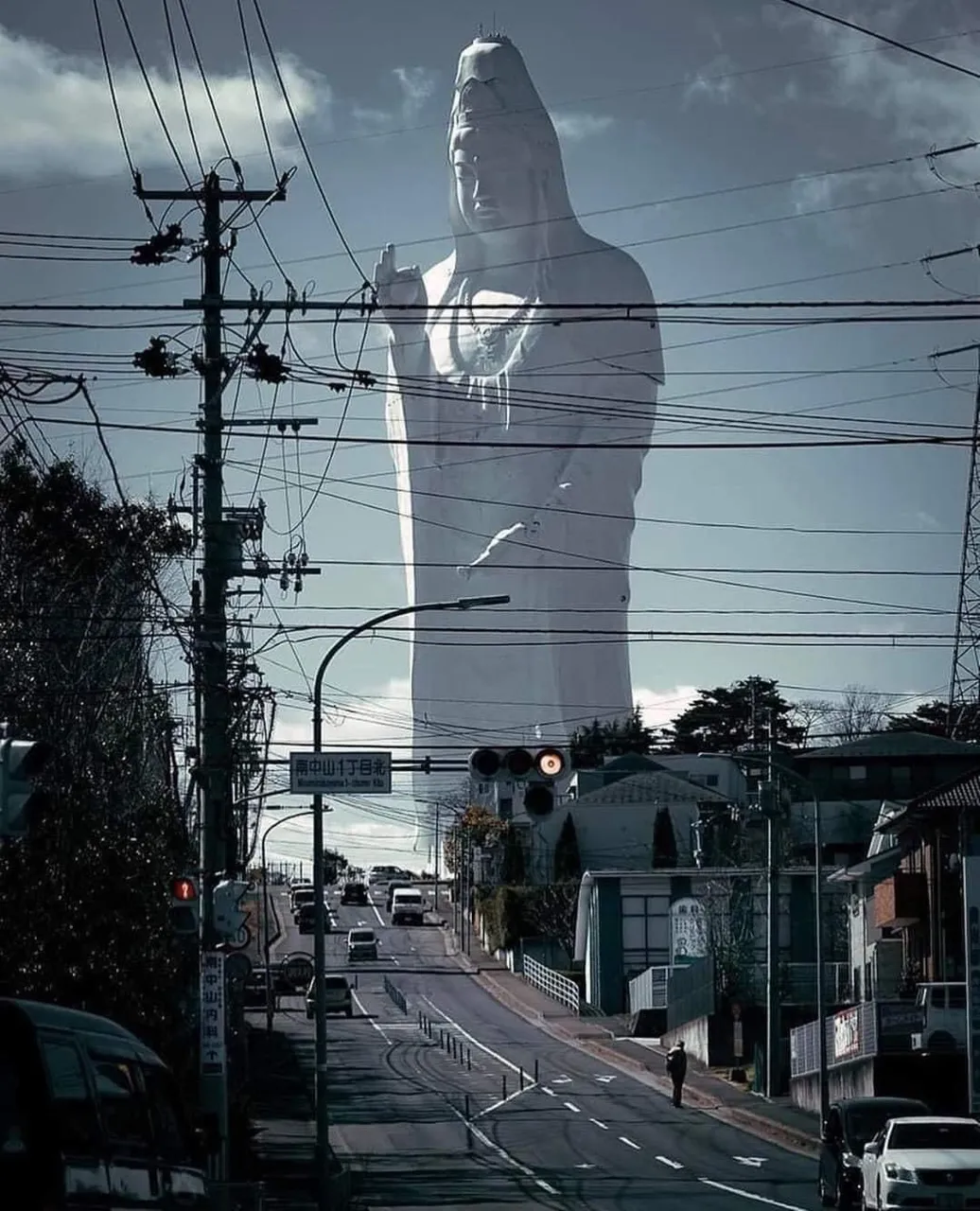
¿De qué forma se manifiesta la Megalofobia?
How does Megalophobia manifest itself?
La forma en que se manifiesta a nivel físico es a través de temblores, sudoración, nauseas, ansiedad, presión arterial alta y taquicardias. La persona que padece de esta fobia intenta huir o alejarse lo más posible de lo que le provoca tal malestar, por miedo a ser aplastado por su gran tamaño, o comido, en el caso de los animales enormes.
The way it manifests itself physically is through trembling, sweating, nausea, anxiety, high blood pressure and tachycardia. The person suffering from this phobia tries to flee or get as far away as possible from the thing that is causing the discomfort, for fear of being crushed by its large size, or eaten, in the case of huge animals.

Depende de la intensidad de esta fobia, puede afectar negativamente la vida de los que la padecen, ya que, por ejemplo en los casos más extremos, las personas que les temen a los edificios muy pero muy altos, prefieren rodearlos y hacer rutas más largas para no tener que pasar por allí, o incluso a veces hasta se niegan a salir de casa.
Depending on the intensity of this phobia, it can negatively affect the lives of those who suffer from it, since, for example in the most extreme cases, people who are afraid of very, very tall buildings prefer to go around them and take longer routes to avoid having to pass through them, or sometimes even refuse to leave the house.

En mi caso recuerdo que algunas veces en que visité parques temáticos de dinosaurios con mi familia, yo solía quedarme en un solo sitio, casi no recorría el lugar, por temor a esas criaturas gigantes que, aunque eran inofensivas porque no eran reales, me resultaban terriblemente intimidantes. Yo prefería decir que no me sentía bien, no quería admitir lo que me sucedía por temor a ser juzgada (muchas personas no suelen entender las fobias) y aún, hoy en día, solo mis padres y hermana saben lo que me sucede, y pues desde luego ustedes también.
In my case, I remember that sometimes when I visited dinosaur theme parks with my family, I used to stay in one place, hardly going around the place, for fear of those giant creatures that, although they were harmless because they were not real, were terribly intimidating to me. I preferred to say that I didn't feel well, I didn't want to admit what was happening to me for fear of being judged (many people don't understand phobias) and even today, only my parents and sister know what happens to me, and of course you do too.

¿Cuáles son las causas?
What are the causes?
Algunos especialistas afirman que esta fobia podría estar ligada a algún evento traumático durante la infancia, asociado a un objeto de gran tamaño (para nuestra percepción en el momento) otros opinan que las causas podrían ser genéticas y hereditarias, es decir, que si algún antepasado tuyo padeció de esta fobia, tú la heredarías independientemente de haber sufrido o no un evento traumático. Pero la psicóloga Rocío Hernández tiene una hipótesis diferente, según ella la fobia está asociada a un complejo de inferioridad por alguna necesidad en la infancia.
Some specialists affirm that this phobia could be linked to some traumatic event during childhood, associated with a large object (for our perception at the time). Others believe that the causes could be genetic and hereditary, that is to say, if an ancestor of yours suffered from this phobia, you would inherit it regardless of whether or not you suffered a traumatic event. But psychologist Rocío Hernández has a different hypothesis, according to her, the phobia is associated with an inferiority complex due to some childhood need.

¿Se puede superar esta fobia?
Can this phobia be cured?
Sí, desde luego que sí, con terapias psicológicas y terapias de exposición controladas, pero en primer lugar debemos aceptar que tenemos un problema (sin avergonzarnos de nosotros mismos) no significa que estemos locos o que seamos tontos, solo tenemos un problema que debemos afrontar. Luego de haber aceptado que tenemos un problema, que nos sentimos incómodos o incluso terriblemente ansiosos ante determinado estímulo, no debemos tratar de esconderlo, sino expresarlo abiertamente, sobre todo con alguien de confianza que no nos juzgue, sino que nos ayude a superar la situación.
Yes, of course we do, with psychological therapies and controlled exposure therapies, but first of all we must accept that we have a problem (without being ashamed of ourselves) it does not mean that we are crazy or that we are stupid, we just have a problem that we have to face. After we have accepted that we have a problem, that we feel uncomfortable or even terribly anxious about a certain stimulus, we should not try to hide it, but express it openly, especially with someone we trust who will not judge us, but help us to overcome the situation.

Y bien amigos esto es todo lo que sé acerca de esta fobia, lo que he leído en revistas científicas y también basándome en mi propia experiencia. Espero que les haya resultado un artículo interesante. Cuéntenme ¿les sucede lo mismo o conocen a alguien a quién le suceda?
Well friends, this is all I know about this phobia, what I have read in scientific magazines and also based on my own experience. I hope you found it an interesting article. Tell me, do you have this phobia or do you know someone who does?

Image designed by me in Canva editor.