
Among every plant there's actually the best season for it according to agriculture but in all rainy season remain the most profitable. For planting of groundnut which seems to be enjoyable among people as they use it for the making of oil, soap, cream, and mostly eating after cooking. This is how it's in planting groundnut which usually takes place in my state between April and June of every year.
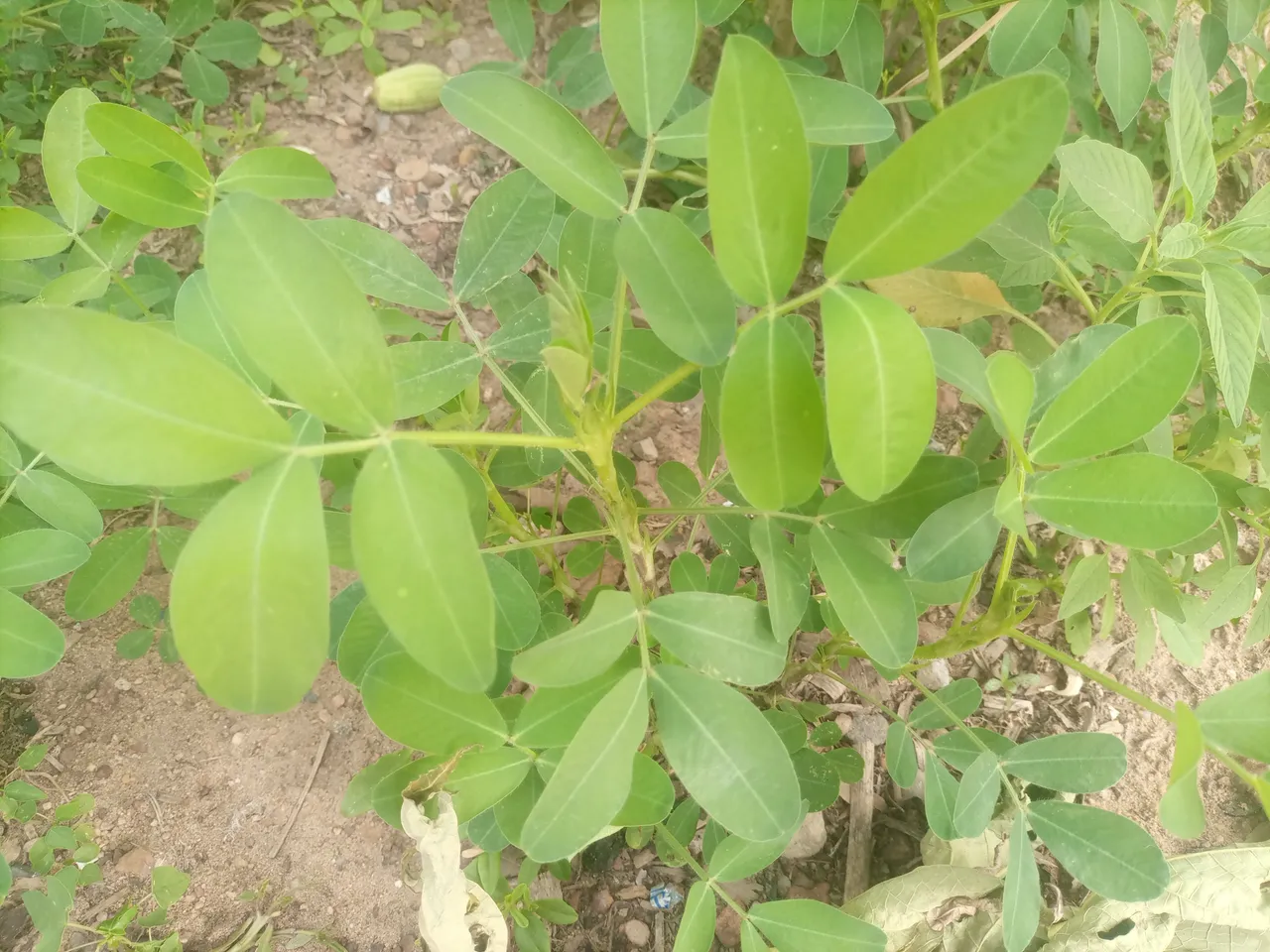
For me and my family we don't usually consider the month for us to plant groundnut what matters to us is the month rain we start dropping. This is because sometimes rain may start Middle or ending March so I don't need to wait till April or June for me to plant my groundnut. It's very important for a farmer to put in consideration that groundnut need to be planted where rain or water will be touching the root.

It's also important to know that it's not compulsory to plant groundnut in raining season because we can actually do the same in dry season using irrigation method. This method is a situation where water space is been made available from a tap or river into the groundnut farm. The water from the river or tap into the farm will help to sustain the growth of the planted groundnut the same way it should have been in rainy season. The difference is that during the rain a farmer will not need to waist energy or spend money looking for water through irrigation.

Another important thing for groundnut growth is the type of soil to plant. As a farmer you don't just plant groundnut to anyhow soil because they may germinate and grow but won't produce enough or big seeds if wrongly planted. Groundnut require a good soil naturally preserved. This is to say that groundnut seeds are best planted in a natural soil that have stayed for long and not the type of soil needing chemicals to help yield the soil fertility. The use of chemicals in our groundnut farm reduces the number of groundnut seeds to be produced.