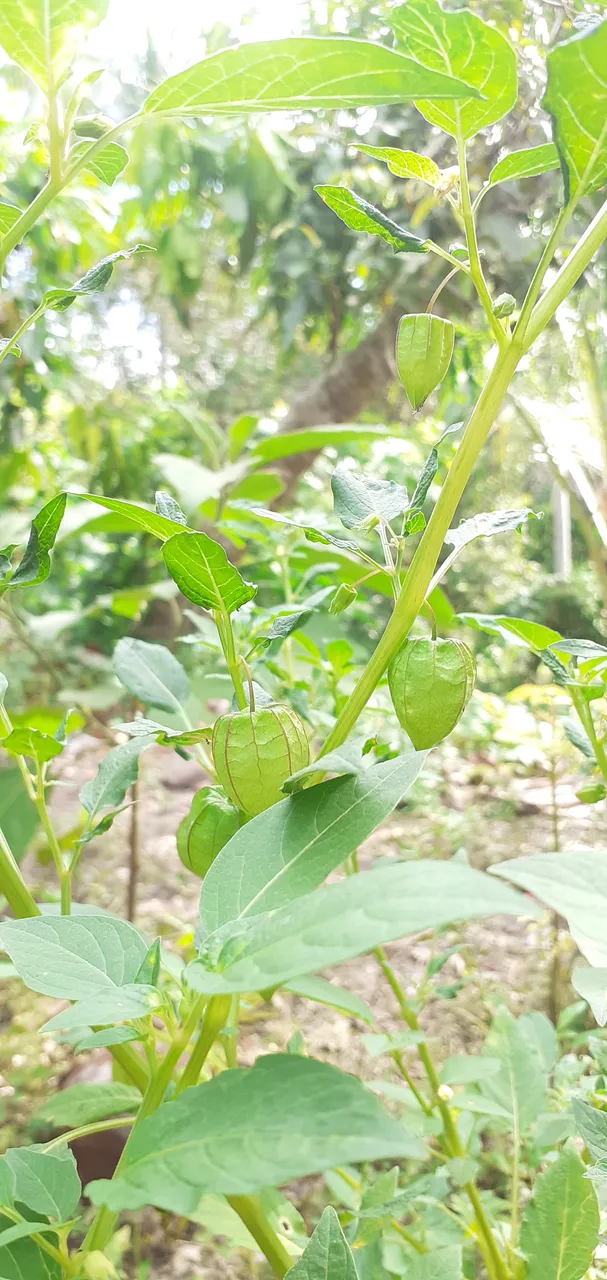
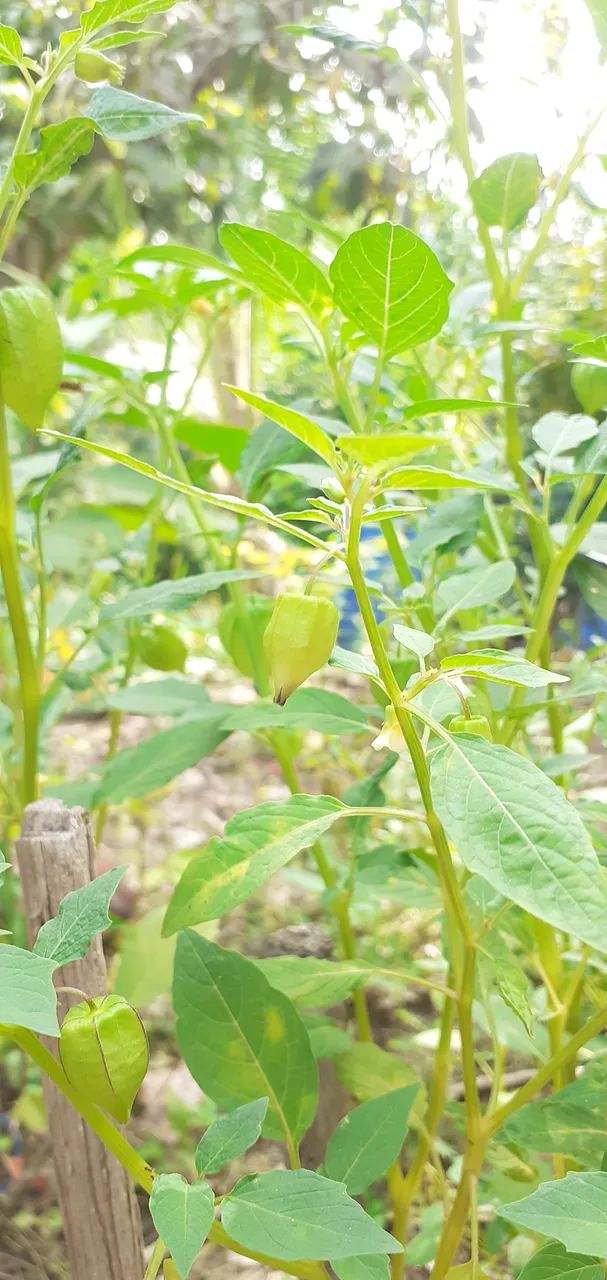
Ciplukan, ceplukan, or cecenet (Physalis angulate L) are known to have many benefits as medicine or herbal. This annual plant, which originates from tropical and subtropical regions of America and has been naturalized in Java, belongs to the Solanaceae tribe.
The ciplukan plant has a height of between 15-60 cm with a crown diameter of 15-30 cm. The cross section of the stem is round and contains water. Ciplukan leaves are soft and smooth in texture (not hairy) with a length of 5-12 cm and a width of 2-5 cm. The leaves are ovoid in shape with long petioles and flat to serrated edges. The color of the upper surface of the leaves is dark green, while the lower surface is light green. The ciplukan flower is located in the leaf axillary (flos axillaris) and is relatively small.
The flowers are calyx-covered, bell-shaped and cream to yellowish in color and slightly white. The petals have a net-like pattern of green and yellow with a black spot near the base. The flower petals develop into the fruit cover. The ciplukan fruit is light green when it is still unripe and turns yellow or yellowish white when it is ripe. The fruit is juicy, round, and develops in a balloon-like calyx 1–2 cm in diameter. .
Some of the properties or benefits of ciplukan for health include:
- Overcoming high blood pressure (hypertension),
- Treat diabetes,
- Overcome boils and ulcers,
- Coping with bleeding gums, and
- Overcoming kidney stone disease