
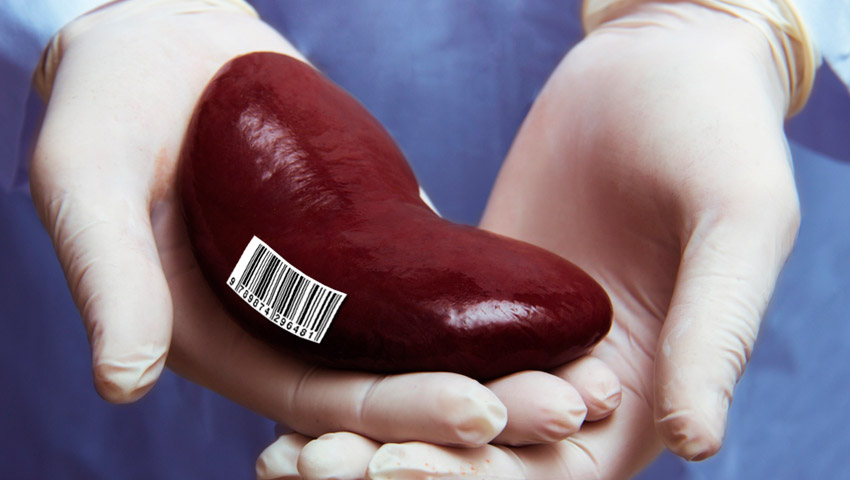
Organ trafficking in China has been the subject of controversy and concern in recent years. Among the most troubling allegations are accusations of illegal organ harvesting from practitioners of Falun Gong, a spiritual and meditation practice that has been persecuted in China since 1999. These allegations have generated growing international outrage and have led to extensive investigations to shed light on the situation.
According to various sources, including the Kilgour-Matas report published in 2006, there is credible evidence to support allegations of illegal organ harvesting on Falun Gong prisoners detained in China. The report, by David Kilgour, Canada's former Secretary of State for Asia Pacific, and David Matas, a human rights lawyer, concluded that such allegations are well-founded.
El tráfico de órganos en China ha sido objeto de controversia e inquietud en los últimos años. Entre las denuncias más preocupantes se encuentran las acusaciones de extracción ilegal de órganos de practicantes de Falun Gong, una práctica espiritual y de meditación perseguida en China desde 1999. Estas acusaciones han generado una creciente indignación internacional y han llevado a investigaciones exhaustivas para esclarecer la situación.
Según diversas fuentes, incluido el informe Kilgour-Matas publicado en 2006, existe evidencia creíble que respalda las denuncias de extracción de órganos ilegales en prisioneros de Falun Gong detenidos en China. El informe, realizado por David Kilgour, exsecretario de estado de Canadá para Asia Pacífico, y David Matas, abogado de derechos humanos, concluyó que tales acusaciones tienen fundamentos sólidos.
The pointed to evidence indicating the forced removal of organs, both from living Falun Gong practitioners and those who had died in custody. These practices, according to the report, were carried out with the knowledge and involvement of the Chinese authorities. The data obtained showed an unusual and disconcerting rate of transplantation in China, which was unlike any other in the world.
Organ trafficking in China has raised concerns due to the lack of transparency in the country's organ donation and transplantation system. The provenance of organs used in transplants has been questioned and the possibility of their illegal procurement, taking advantage of prisoners of conscience and minority groups, such as Falun Gong practitioners, has been raised.
El informe Kilgour-Matas señaló la existencia de pruebas que indicaban la extracción forzada de órganos, tanto de practicantes de Falun Gong vivos como de aquellos que habían fallecido bajo custodia. Estas prácticas, según el informe, se llevaban a cabo con el conocimiento y la participación de las autoridades chinas. Los datos obtenidos mostraron una inusual y desconcertante tasa de trasplantes en China, que no se correspondía con ninguna otra en el mundo.
El tráfico de órganos en China ha generado preocupación debido a la falta de transparencia en el sistema de donación y trasplante de órganos del país. Se ha cuestionado la procedencia de los órganos utilizados en los trasplantes y se ha planteado la posibilidad de que sean obtenidos de manera ilegal, aprovechando a prisioneros de conciencia y grupos minoritarios, como los practicantes de Falun Gong.
Despite these allegations and the Kilgour-Matas report, the Chinese government has vehemently denied the allegations of illegal organ harvesting. They argue that reforms to China's organ donation and transplantation system have improved transparency and eliminated illegal practices.
Allegations of illegal organ harvesting from Falun Gong prisoners have raised concerns and have been backed up by the Kilgour-Matas report. This report has uncovered credible evidence indicating a connection between these abuses and China's organ transplant system. However, the Chinese government denies these allegations and maintains that they have taken steps to improve transparency in the system.
A pesar de estas denuncias y el informe Kilgour-Matas, el gobierno chino ha negado vehementemente las acusaciones de extracción ilegal de órganos. Argumentan que las reformas realizadas en el sistema de donación y trasplante de órganos en China han mejorado la transparencia y han eliminado prácticas ilegales.
Las denuncias de extracción de órganos ilegales a prisioneros de Falun Gong han generado preocupación y han sido respaldadas por el informe Kilgour-Matas. Este informe ha revelado evidencia creíble que indica una conexión entre estos abusos y el sistema de trasplante de órganos en China. Sin embargo, el gobierno chino niega estas acusaciones y sostiene que han tomado medidas para mejorar la transparencia en el sistema.
On top of this, the lack of transparency and the suspicion of illegal organ harvesting are causing concern in the international community. In addition to Falun Gong practitioners, there have also been reports of the possible involvement of other minority groups and prisoners of conscience in this shadowy trade. The exploitation of human beings for the purpose of organ harvesting, allegedly supported by state institutions, constitutes a violation of the most fundamental rights and must be dealt with forcefully.
The international response to these allegations has been mixed. While the Kilgour-Matas report has raised awareness of the situation, some nations have been reluctant to address the issue directly because of their political or economic interests in relation to China. The international community faces the challenge of addressing these serious human rights violations without undermining diplomatic or trade relations. Finally, in China, the wait for a "donor" of vital organs can be as short as weeks? Success or a perverted and inhumane system?
Por si fuera poco, la falta de transparencia y la sospecha de extracción ilegal de órganos generan preocupación en la comunidad internacional. Además de los practicantes de Falun Gong, también se ha informado sobre la posible implicación de otros grupos minoritarios y prisioneros de conciencia en este oscuro comercio. La explotación de seres humanos con fines de extracción de órganos, supuestamente respaldada por instituciones estatales, constituye una violación de los derechos más fundamentales y debe ser abordada de manera contundente.
La respuesta internacional a estas denuncias ha sido mixta. Si bien el informe Kilgour-Matas ha generado una mayor conciencia sobre la situación, algunas naciones han sido reacias a abordar directamente el tema debido a sus intereses políticos o económicos en relación con China. La comunidad internacional enfrenta el desafío de hacer frente a estas violaciones graves de los derechos humanos sin socavar las relaciones diplomáticas o comerciales. Para finalizar, en China, la espera por "donador" de órganos vitales, puede llegar a ser de tan sólo semanas... ¿Éxito o un sistema pervertido e inhumano?
Thanks for reading my posts!