
Heeeyho Readers! Excited to see our plants grow!
Gibbe a lemonade! Our lemon trees are far from bearing fruits, but I can already dream of lemonade on a sunny summer day, after busting mah butt cycling.
I'm impressed by how the fruit trees have grown since I last came to the ranch. Same for the vegetables in the little garden we have outside the house. It looks like we are on track to a more sustainable property and to a whole new series of posts in this blog (If I don't take off on a new adventure). Anyways.
This is my first — of many, if we continue evolving the ranch — #gardenjournal. It's a shame I have waited so long to explore this aspect of life. In Brazil, for whatever reason, gardening is not incentivized in the school other than showing kids how a bean grows on stupid cotton. We don't have garden plots for rent either, as I saw in London, during the first month at an incredible family's house.
Although I grew up around my grandparents' gardens, I've never developed the culture of appreciating gardening. It wasn't until I realized how we can cut our living expenses to the bare minimum that my interest sparkled.
I'm obviously a garden newbie and have yet to learn the art super-sexy-o-mama cultivating plus a bunch of new English words.
In this Hive Garden Journal, I'd like to share what we've got so far and what lays in the future of our ranch. I hope you enjoy.
It's growing
As mentioned in my previous Off to the Ranch posts, Dad planted dozens of fruit trees on the plot outside the house. We have navel oranges, lemon, peach, plum, tangerine, fig, quince, and vine. Dad says we'll have lemons next year. I doubt. He insists. We fight. Life goes on.
Click images to enlarge!
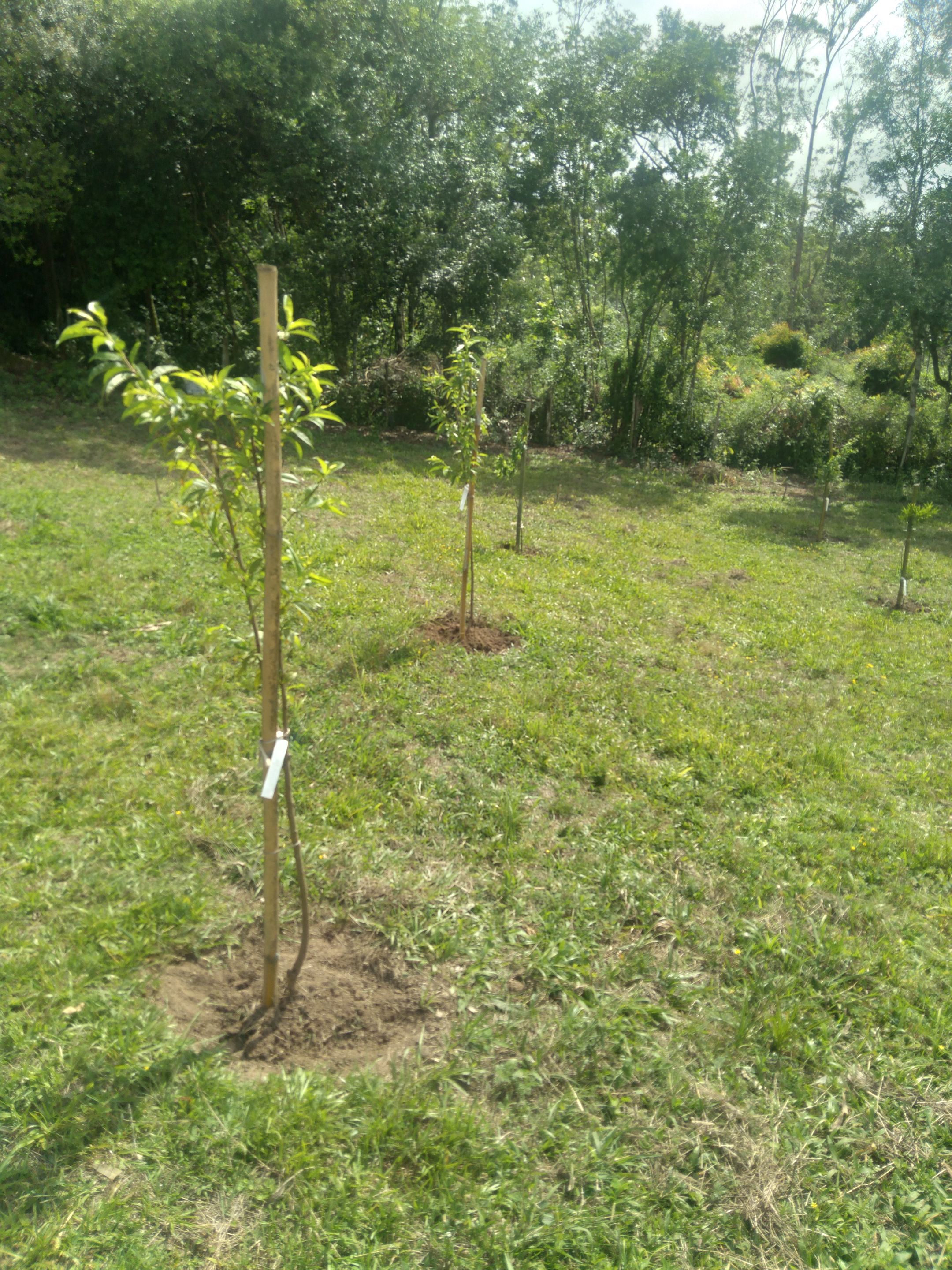
fruit trees
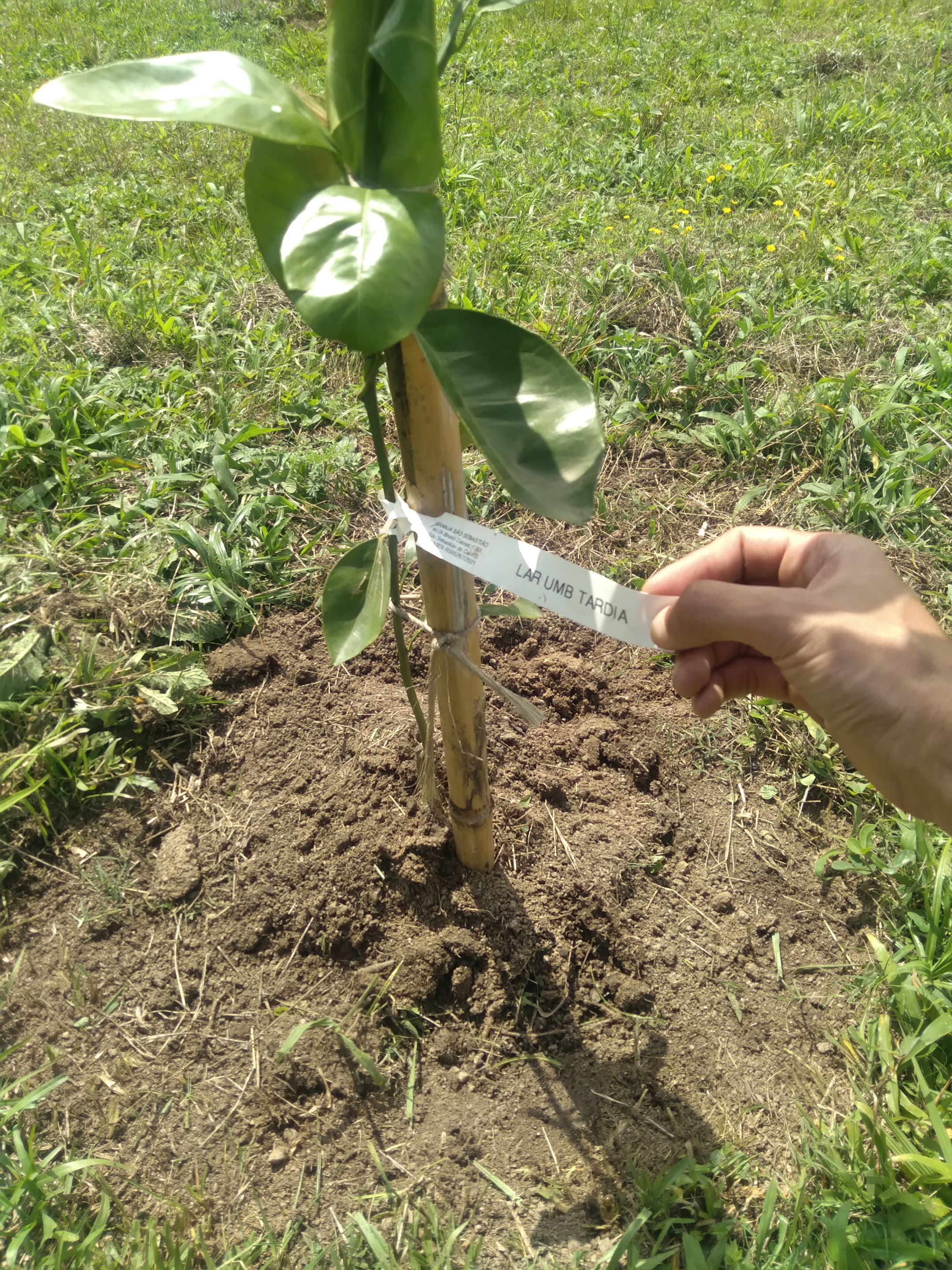
navel orange tree
Our garden is modest compared to the awesome ones shared in the community. We plan to cultivate a bigger one, similar to what we had on the old ranch, which had pumpkins, watermelons, melons, etc. I also want to build a greenhouse to cultivate strawberries year long.
Since we haven't had the time to approach that yet, let me share what we have so far.
Observation: I don't know the names in English, so, if I wrongly name something, drop a message in the comments correcting me.
Is this mint?
In Portuguese, we call this Hortelã. There's always confusion whether it's Hortelã or Menta; I couldn't find the distinction in English. I know we have both Menta and Hortelã (as named in Portuguese), and they smell pretty similar. Last weekend we prepared these three cuttings (is it how it's called?) to give away to friends — they seem to spread incredibly fast in the garden.
Mint
Expanding my vocabulary is the cool aspect of embarking on this world of cultivating. I'm reading several websites as I post these pictures to find the names and learn about the plants. I've always been a fan of natural teas during the winter and automatically know which ones I should take when my guts are not working properly (or when I drink too much the night before.) However, knowing their uses more in-depth and learning to identify each plant in nature would certainly come in handy during my camping adventures. I.e. when I got sick in whales and didn't know how to collect natural herbs when I thought I had seen them.
Here's an overview of our garden in terms of medicinal herbs or tea herbs as we call it. Modest still, but useful.
Click images to enlarge!
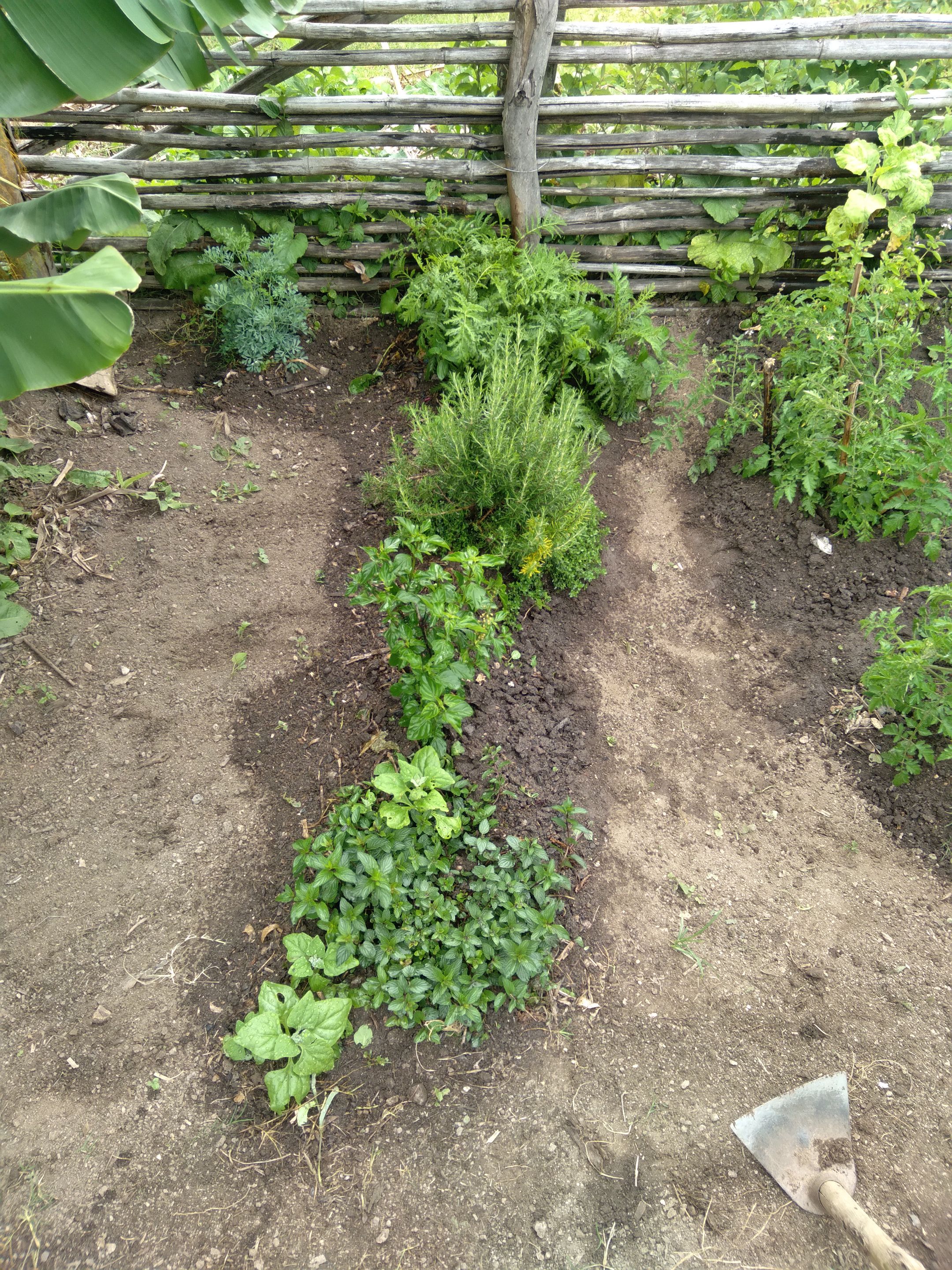
tea herbs
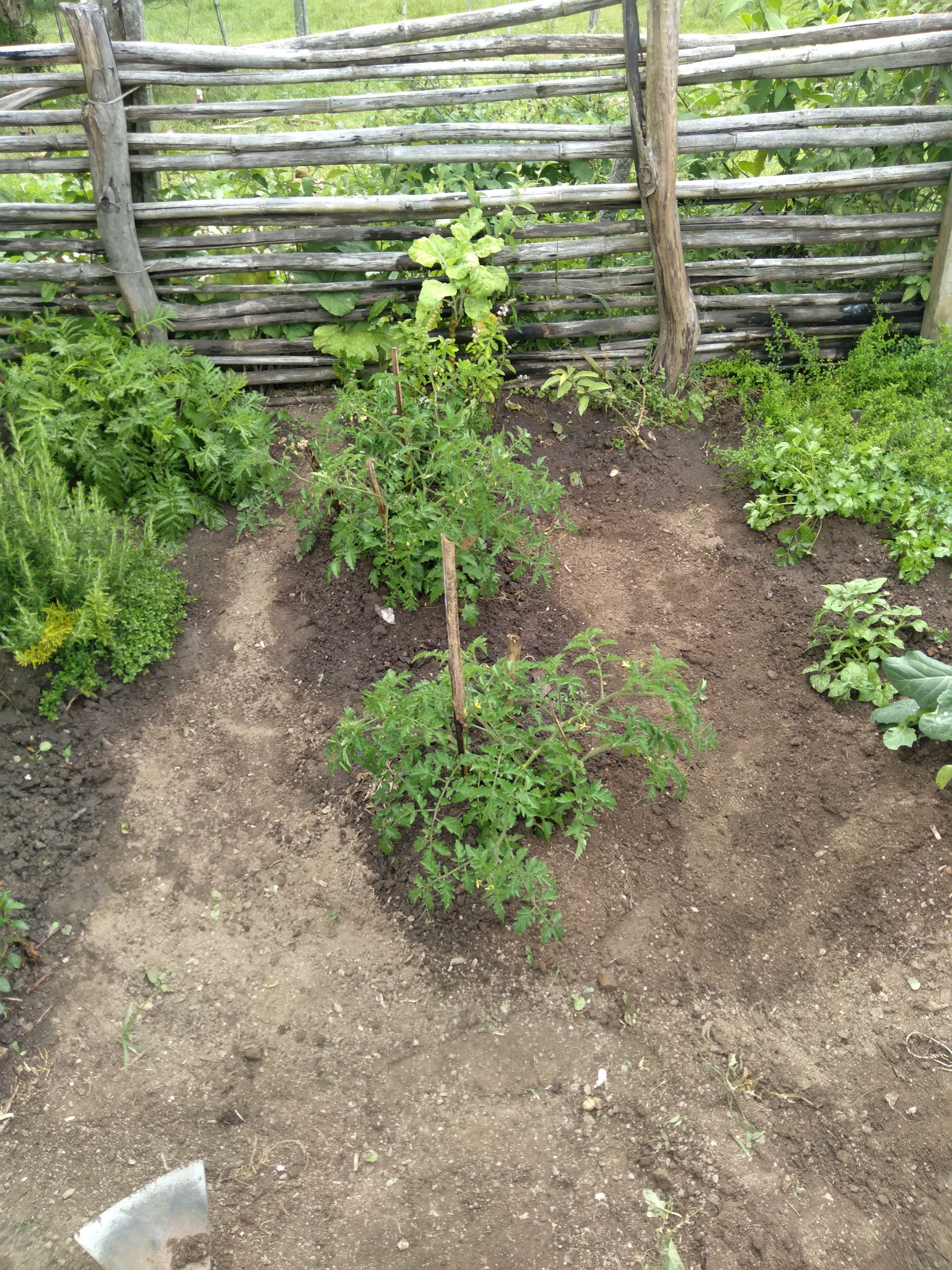
more tea herbs
Oukey. Here's my best to translate the names.
- Portuguese = English
- Hortelã = Mint
- Alecrim = Rosemary
- Catinga de mulata = ?
- Funcho = Fennel
- Menta = Mint (other species?)
To be honest, I'll have to retrieve from my brother's house an old book grandma gave us about natural herbs, because, as you can see, I'm terrible with names.
Drop a comment down bellow if you identify something!
Tomatoes, collard greens and green pepper
I hate tomatoes. Unless used in pasta sauce or any other sauce, I just can't stand the taste of tomatoes. Still, our garden has tomatoes; they are growing nicely, and the best part is they are 100% pesticide-free. I might even try to eat tomatoes under that circumstance because tomatoes from the supermarket are just no no.
Click images to enlarge!
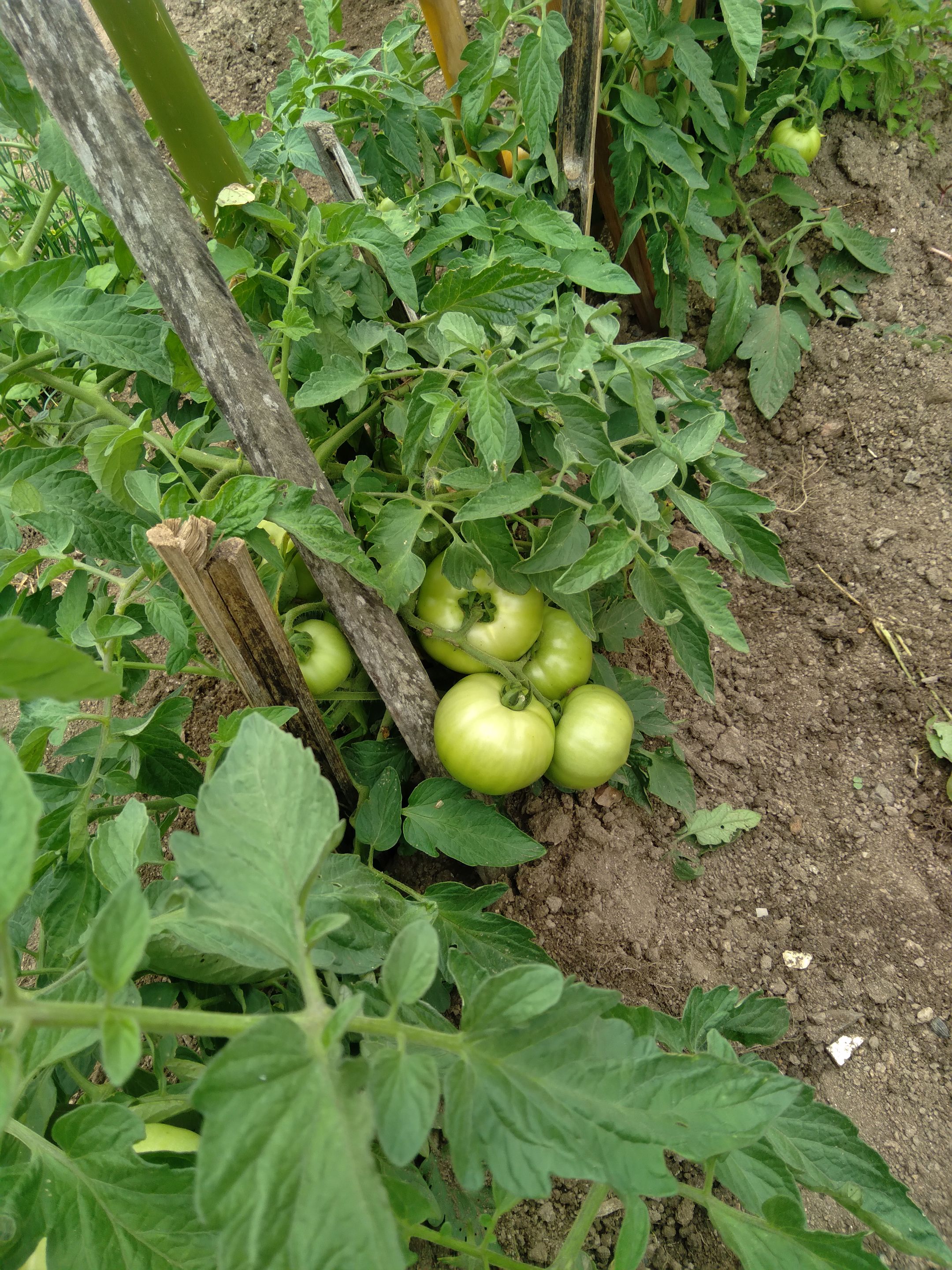
blerc
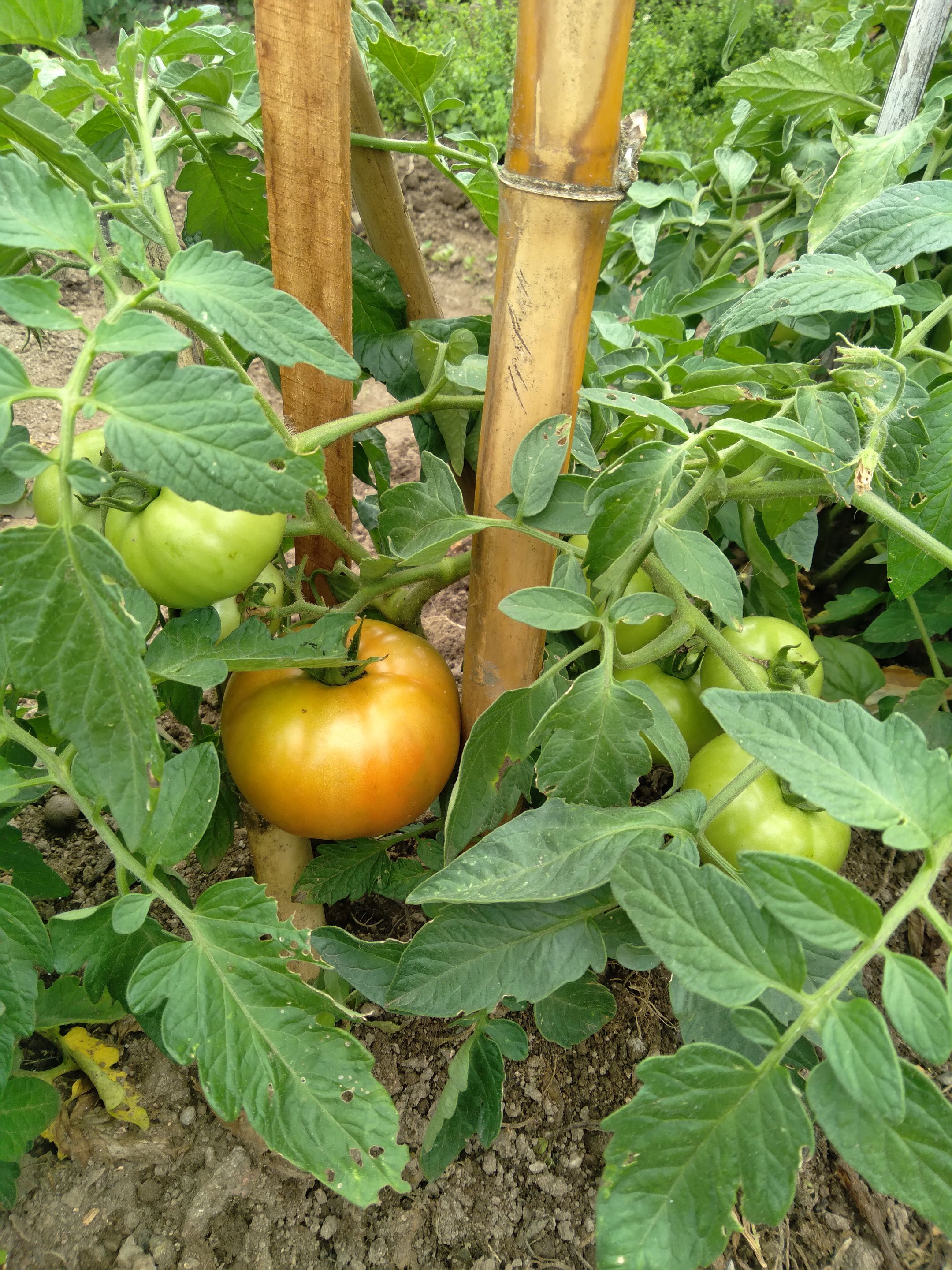
no no no
The collard greens and green pepper are also growing nicely. What I like about having collard greens in the garden is that I can eat whatever amount desired (in the supermarket I have to buy a whole bunch). I want to cultivate broccoli and sweet potatoes too, but for that, we'll need more space.
Click images to enlarge!
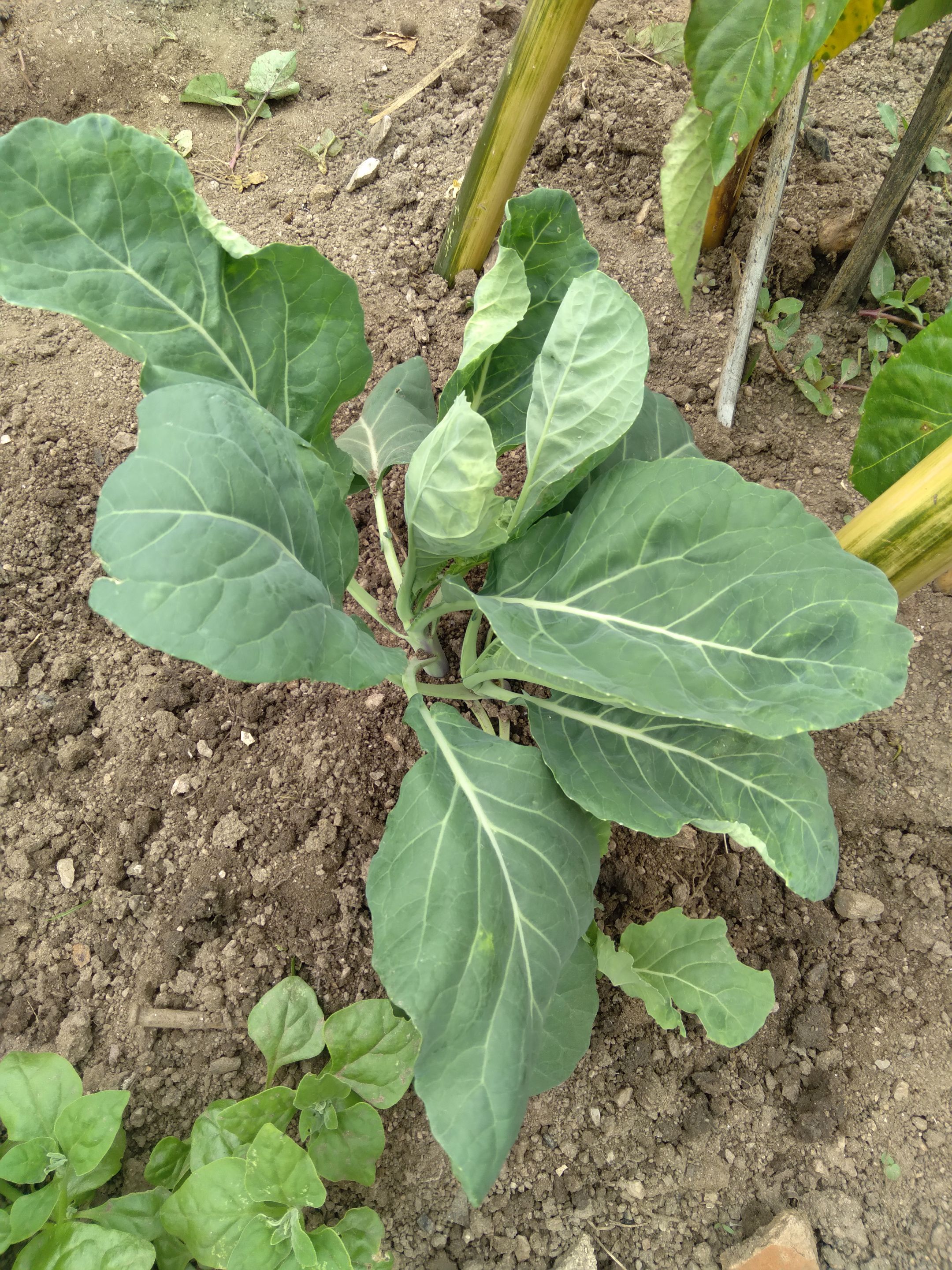
collard greens
green pepper
For people used to gardening, ours might look basic, but I feel happy whenever I go to the ranch and there's new stuff growing. I had a headache just the other day, so we collected some herbs, put on hot water, and done... problem solved.
I wish Brazilian elementary schools taught gardening. It's a great way for kids to have fun while learning something useful. And not only that, they learn that food doesn't land on their plate magically.
I hope you have enjoyed this little post, and if you have tips for a beginner, don't forget to drop them in the comments.
Peace.
Did you know that I have a book out? Check this!
Access Link: https://www.amazon.com/dp/6500272773?
If you enjoyed this post consider leaving your upvote for a hot coffee.
Find me on Twitter: https://twitter.com/mrprofessor_
~Love ya all,
Disclaimer: The author of this post is a convict broke backpacker, who has travelled more than 10.000 km hitchhiking and more than 5.000 km cycling. Following him may cause severe problems of wanderlust and inquietud. You've been warned.