

Good morning, blogging friends, how are you? Today I decided to post on this community outside of the contest. Here in Italy, today is Labor Day, but I'm wondering, is there really any point in celebrating women today? In my opinion, ISTAT data, statistics, newspapers, and even other women I know, absolutely not. Meanwhile, in Italy, despite having a female prime minister, policies are being implemented that absolutely do not benefit women. A woman who is an enemy of women has rejected the minimum wage proposal, the proposal for longer maternity leave for fathers (currently ten days), cut bonuses for mothers, for working women, and for daycare centers, and to help women who care for sick or disabled family members. There's money for weapons and other nonsense, but not for women!
And so, in Italy, the majority of unemployed people are women of all ages, but especially those over 35 because there are no benefits and companies prefer to hire younger people. Why? Because they pay them less and can offer them apprenticeships until they're 30! Furthermore, women in their 30s and 40s are reluctantly hired because employers are afraid they might get pregnant and claim maternity leave, even though it's illegal.
This often happens in interviews (it's happened to me and all my female friends) if you have children or want to have them. In short, there's a high rate of female unemployment here. Furthermore, there's still no equal pay for men and women; in the same role, many men earn more than their female colleagues. Furthermore, let's not even talk about mothers. Our dear female minister scolds Italian women for not having children and the birth rate is at an all-time low, but she certainly doesn't ask why or propose serious solutions.
🛑🛑🛑🛑🛑🛑🛑🛑🛑🛑🛑🛑🛑🛑🛑🛑
Buenos días, amigos blogueros, ¿cómo están? Hoy decidí publicar en esta comunidad fuera del concurso. Aquí en Italia, hoy es el Día del Trabajo, pero me pregunto: ¿realmente tiene sentido celebrar a las mujeres hoy? En mi opinión, según datos del ISTAT, estadísticas, periódicos e incluso otras mujeres que conozco, absolutamente no.
Mientras tanto, en Italia, a pesar de tener una primera ministra, se están implementando políticas que no benefician en absoluto a las mujeres. Una mujer que es enemiga de las mujeres ha rechazado la propuesta del salario mínimo, la propuesta de una licencia de maternidad más larga para los padres (actualmente diez días), recortes en las primas para las madres, para las mujeres trabajadoras y para las guarderías, y para ayudar a las mujeres que cuidan a familiares enfermos o discapacitados.
¡Hay dinero para armas y otras tonterías, pero no para las mujeres! Y así, en Italia, la mayoría de las personas desempleadas son mujeres de todas las edades, pero especialmente las mayores de 35 años porque no hay beneficios y las empresas prefieren contratar a gente más joven. ¿Por qué? ¡Porque les pagan menos y pueden ofrecerles prácticas hasta los 30! Además, las mujeres de entre 30 y 40 años son contratadas a regañadientes porque los empleadores temen que se queden embarazadas y soliciten la baja por maternidad, aunque sea ilegal.
Esto suele ocurrir en las entrevistas (me ha pasado a mí y a todas mis amigas) si tienes hijos o quieres tenerlos. En resumen, aquí hay una alta tasa de desempleo femenino. Además, todavía no existe la igualdad salarial entre hombres y mujeres; en el mismo puesto, muchos hombres ganan más que sus compañeras. Y ni hablemos de las madres. Nuestra querida ministra reprende a las mujeres italianas por no tener hijos y la tasa de natalidad está en mínimos históricos, pero desde luego no pregunta por qué ni propone soluciones serias.

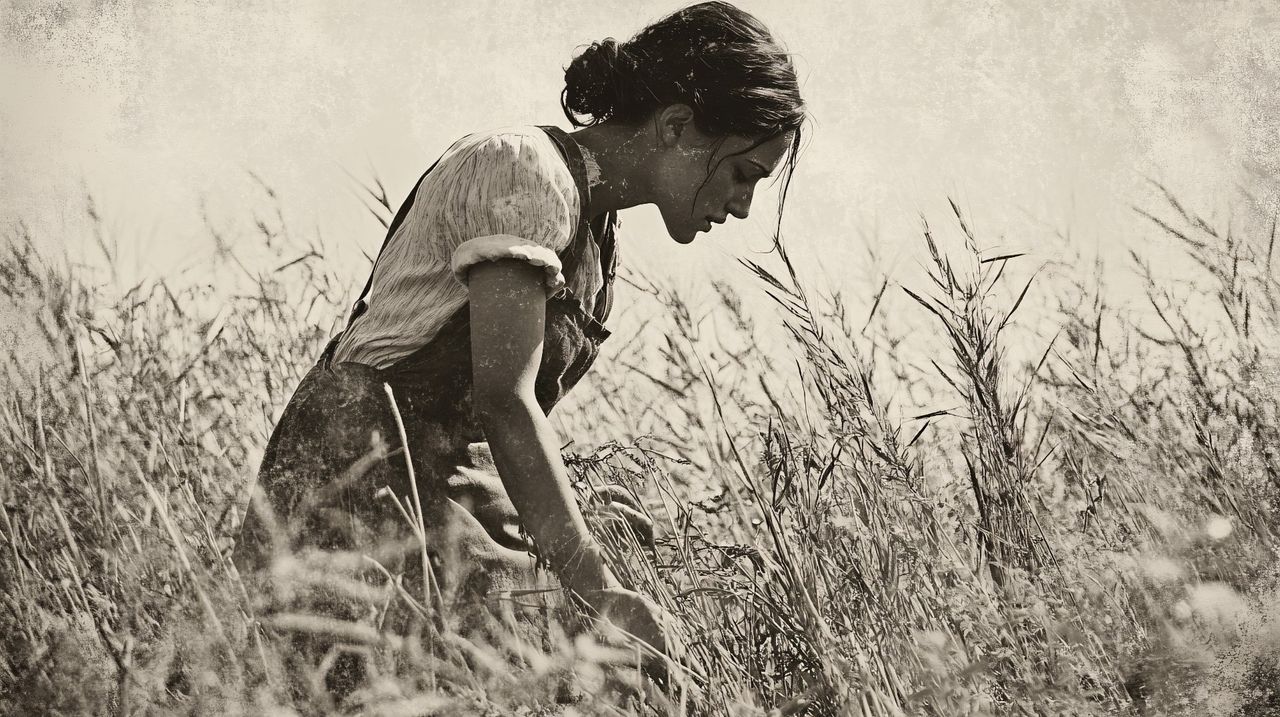
Working mothers face even more problems, with incompatible schedules, almost nonexistent and expensive daycare (so much so that many mothers give up work in the first few years to care for their children, just as the burden of sick or disabled family members, unfortunately, almost always burdens women who are forced to leave work because there are no facilities here either, and those that do exist are ridiculously expensive), limited leave and the risk of mobbing if they take time off for their children, very little support or bonuses, and numerous organizational difficulties in managing children and work. In short, the working conditions of women in Italy are not good. I myself, unfortunately, have been unemployed for years except on short-term contracts.
However, this is a problem for both men and women: the difficulty in finding long-term, decently paid work. For women, there's also a greater mental burden. In Italy, thanks to a patriarchal mentality, even women who work eight hours a day often also take care of children and housework. Practically all the housework and childcare falls on women, even if they work as much or more than men. This is truly a mentality issue. Here, many men still don't do household chores and aren't capable of taking care of chores or children. So, for us Italian women, there's very little to celebrate today. What's the situation like in your countries? I'd be curious to learn about the women/work situation in countries other than my own.
🛑🛑🛑🛑🛑🛑🛑🛑🛑🛑🛑🛑🛑🛑🛑
Las madres trabajadoras se enfrentan a aún más problemas: horarios incompatibles, guarderías casi inexistentes y caras (tanto que muchas madres abandonan el trabajo en los primeros años para cuidar a sus hijos, al igual que la carga de familiares enfermos o discapacitados, que lamentablemente casi siempre recae sobre las mujeres, quienes se ven obligadas a dejar de trabajar porque tampoco hay guarderías disponibles, y las que existen son ridículamente caras), permisos limitados y el riesgo de sufrir acoso laboral si se toman tiempo libre para cuidar a sus hijos, muy poco apoyo o bonificaciones, y numerosas dificultades organizativas para conciliar la vida familiar y laboral. En resumen, las condiciones laborales de las mujeres en Italia no son buenas. Yo misma, por desgracia, llevo años desempleada, salvo con contratos temporales. Sin embargo, este es un problema tanto para hombres como para mujeres: la dificultad de encontrar un trabajo estable y bien remunerado. Para las mujeres, además, supone una mayor carga mental.
En Italia, debido a una mentalidad patriarcal, incluso las mujeres que trabajan ocho horas al día a menudo también se ocupan de los hijos y las tareas domésticas. Prácticamente todas las tareas del hogar y el cuidado infantil recaen sobre las mujeres, aunque trabajen tanto o más que los hombres. Esto es, sin duda, una cuestión de mentalidad. Aquí, muchos hombres aún no colaboran con las tareas del hogar y no son capaces de ocuparse de ellas ni de los niños. Así que, para nosotras, las mujeres italianas, hoy en día hay poco que celebrar. ¿Cómo es la situación en vuestros países? Me gustaría saber cómo es la situación de las mujeres en el ámbito laboral en otros países.

First picture edited by canva using the images of the sources above, translation with deepl.