
Today we will talk about parents and oral health from when they have to start brushing the gums of children of O years, when the first temporary tooth is born, how important are the temporary teeth for the future permanent dentition at what age the first permanent molar erupts, because it is important periodic monitoring and visit to the pediatric dentist from the early years to become familiar with the entire dental environment ... are questions we can answer clearly and precisely. These are questions that we can answer clearly and precisely, oral health is an integral part of the overall health of the child when the child has cavities or has pain for parents is cause for concern, there is that they see how important it is the dental visit, that's why I have always wanted to raise awareness to all parents from zero years to adolescence to make their children controls.

Como primer punto tenemos: a qué edad comenzamos a hacerle el aseo buscal a los niños, desde que los niños están recién nacidos y toman leche materna por supuesto no tienen dientes obviamente esos bordes de encía se llaman rodetes primarios y hay que lavarlos, como lo hacemos tomamos una gasa la enrollamos en el dedo la mojamos y se las pasamos por todos los rodetes de los niños cuando a él bebé le empiezan a erupcionar los primeros dientes temporales hay una ruptura en ese rodete para que el diente salga por supuesto el niño sigue tomando alimento y en esa ruptura normalmente se acumula muchos residuos bien sea leche materna o la leche maternizada y hay que evitar que eso por que se produce inflamación y dolor puede que se contamine por eso muchos niños también lloran a la hora de tomar su tetero, su mamila porque sienten inflamación a ese nivel, pues debemos limpiarle y hacerle el aseo de los rodetes para cuidar a los primeros dientes temporales.
Cuando ya tenemos dientes bien sea la zona de los incisivos superiores y los cuatro incisivos inferiores ahí comenzamos a utilizar cepillo, en el mercado hay gran variedad de cepillos para niños de cero a dos o tres años de distintas casas comerciales cualquiera de ellos nos sirve para ir haciendo el cepillado, el momento de la erupción siempre provoca algún tipo de inflamación si no hacemos el aseo podemos dejar que se acumulen bacterias, tenemos que tener mucho cuidado con esa limpieza y no dejarlo de hacer, en ocasiones el niño tiene un aliento muy característico y es porque tiene restos de leche materna o leche maternizada entre los dientes.
Cuando ya tenemos toda la denticion temporal completamente erupcionada son 20 dientes 10 en superior 10 en inferior solo contamos con dos molares y los demás son los caninos y los dos incisivos de cada lado tenemos cincos en el lado derecho superior cinco del lado izquierdos superior, 5 del lado izquierdo inferior y cinco del lado derecho inferior para un total de 20 Cuando tenemos estos esta la dentición ya erupcionada el cepillo cambia a otro con más cerdas y ahí podemos empezar a utilizar crema para niños cuya concentración de flúor es la indicada dependiendo de la edad, colocamos la cantidad del tamaño de una lenteja sobre las cerdas al cepillo y hacemos el cepillado a los niños, nosotros mismos como padres no podemos dejar que los niños se cepillen solos porque los niños esa edad todavía no tienen la destreza manual necesaria para limpiarse todos los dientes, quedan muchas partes sin limpiarse y ahí comienza un proceso de acumulación donde puede formarse una caries o un proceso inflamatorio y vienen los problemas.
No nos toma más de 5 minutos como padre cepillar los dientes de nuestros hijos, ponerlos frente a un espejo y nosotros mismos le vamos indicando cómo hacer el cepillado en forma circular en las muelitas en forma de barrido en los incisivos cepillar muy bien la lengua y eso lo tenemos que hacer porque es nuestra responsabilidad además de ser una de las normas de salubridad es limpiarlos sus dientes, podemos evitar muchos problemas si nosotros como padre hacemos esta tarea en la mañana y en la noche, el niño viendo repetidamente ante el espejo en la técnica de cepillado pues él la va a aprender.
As a first point we have: at what age do we start to do the children's oral hygiene, since the children are newborns and drink breast milk of course they don't have teeth obviously those gum edges are called primary buckles and they have to be washed, How we do it we take a gauze, we roll it on our finger, we wet it and we pass it through all the children's rims when the baby's first temporary teeth start to erupt, there is a break in that rim so that the tooth comes out, of course the child continues taking food and in that break there is usually a lot of residue accumulated, either breast milk or formula milk and we have to avoid that because it produces inflammation and pain, it can get contaminated, that is why many children also cry when they are drinking their bottle, We have to clean and clean the teeth to take care of the first temporary teeth.
When we already have teeth, either the area of the upper incisors and the four lower incisors, we start using a toothbrush, in the market there is a great variety of brushes for children from zero to two or three years old from different commercial houses, any of them is useful for brushing, The moment of the eruption always causes some kind of inflammation if we do not do the cleaning we can let bacteria accumulate, we have to be very careful with this cleaning and do not stop doing it, sometimes the child has a very characteristic breath and it is because he/she has remains of breast milk or formula milk between the teeth.
When we already have all the temporary dentition completely erupted there are 20 teeth 10 in upper 10 in lower we only have two molars and the others are the canines and the two incisors on each side we have five on the upper right side five on the upper left side, 5 on the lower left side and five on the lower right side for a total of 20 When we have these teeth erupted the brush changes to another with more bristles and then we can start using cream for children whose concentration of fluoride is indicated depending on the age, We put a lentil sized amount of fluoride on the bristles of the toothbrush and brush the children. As parents we cannot let the children brush themselves because children at that age do not have the manual dexterity to clean all their teeth, many parts are left uncleaned and there begins a process of accumulation where a cavity or an inflammatory process can form and problems arise.
It does not take us more than 5 minutes as a parent to brush our children's teeth, put them in front of a mirror and we ourselves will show them how to do the brushing in a circular way on the molars in a sweeping way on the incisors, brush the tongue very well and we have to do that because it is our responsibility besides being one of the rules of health is to clean their teeth, we can avoid many problems if we as parents do this task in the morning and at night, the child seeing repeatedly in front of the mirror in the brushing technique because he will learn it.
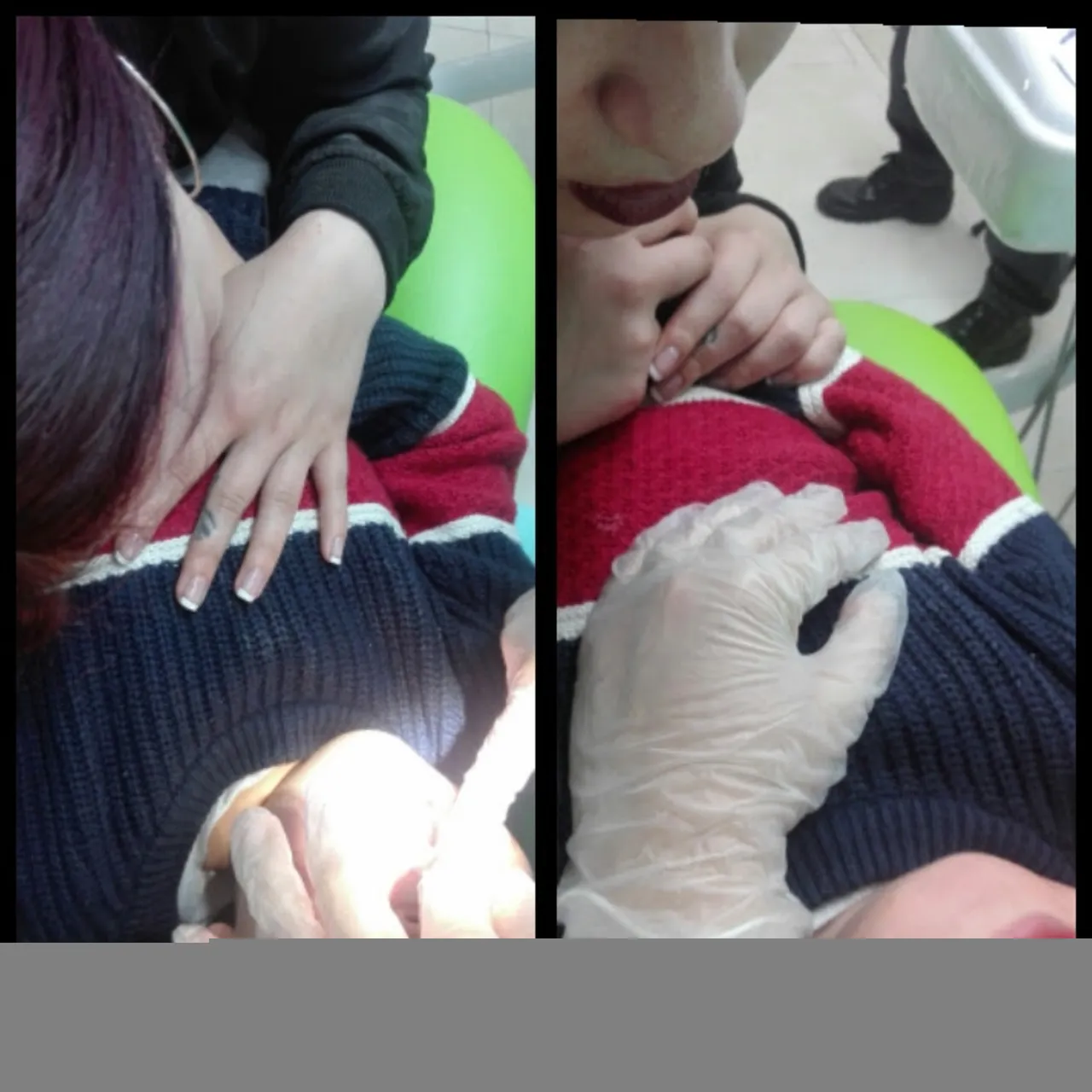
A la edad de 6 años o 6 años y medio aproximadamente detrás de los dientes de los 10 dientes superiores los 10 dientes inferiores erupcionará el primer molar permanente los molares permanentes no tienen un temporal encima para aflojar sino que ellos erupcionan espontáneamente en detrás de la última muelita de leche ese es el molar de los 6 años se recomienda que hay que tener mucho cuidado con él, de cepillarlo bienpara que no acumule comida entre los surcos, evitemos un proceso carioso pensando los papás de que es temporal, tienen la idea pues que dentro de un rato o de un tiempo pues la cambiará, pero esa muela no se temporal, es permanente no tiene sustituto y hay que cuidarla muchísimo por eso nosotros en la consulta les recomendamos o sugerimos a los padres colocarles un sellante de puntos y fisura a los primero molares permanentes cuando erupcionan para conservar los lo más sano posible, luego empiezan a cambiar los dientes, entonces tenemos dentición es mixta, es decir, tenemos dientes de permanentes y dientes temporales también hay un proceso inflamatorio
se llama la gingivitis eruptiva.
Mi recomendación es que todavía por esta edad y ahora con dentición mixta cambiamos el cepillo entonces ya la cantidad de crema es un poquito más grande y seguimos nosotros cepillando a nuestros hijos, todavía esa edad no tienen esa destreza y si tienen algún dientecito flojo por esa área no se cepillan porque les causa dolor, le molesta entonces siempre tenemos nosotros que supervisar el cepillado de los dientes, de esa manera nosotros lograremos que no se instale ningún proceso patológico y que su encía esté completamente sana, es importante porque un proceso patológico que llegue al nervio se lo infecte provoque abscesos, dolor e inflamación es muy grave complicado para manejar cuando tenemos tan corta edad.
En mi consulta he tenido papás que ya cuando llegan a al consultorio están los niños full con mucha caries, con muchos procesos inflamatorio y no es por por regañar pero es culpa de los padres por falta de atención o supervisión, se puede interpretar como maltrato al niño por lo menos aquí en las leyes de Colombia si un niño llega al consultorio con mucha cantidad de caries muchos procesos inflamatorios muchos procesos infecciosos podríamos llamar a bienestar familiar y a los papás le harían un acta ya que es considerado maltrato infantil el hecho de no cuidarle los dientes a los niños.
Por lo tanto es importante que tengamos conciencia nosotros como padres porque yo antes de odontólogo soy madre y en mi experiencia personal mis hijos desde la edad de cero hasta la edad de 13-14 años yo los cepillaba los dientes yo verificaba que estuviera bien realizado el cepillado, no he tenido ningún tipo de problemas a nivel cariogénico ni de gingivitis o a nivel de encía claro un problema de apiñamiento o de formación pues ya ahí no se puede detener por el cepillado ya ese es otro tipo de patología, pero una boca sana los dientes sanos es símbolo de una persona limpia de una persona dedicada de unos padres pendientes de sus hijos, salud bucal es sinónimo de atención hacia los más pequeños.
At the age of 6 or 6 and a half years old approximately behind the 10 upper teeth the 10 lower teeth will erupt the first permanent molar the permanent molars do not have a temporary one on top to loosen but they erupt spontaneously behind the last milk molar that is the molar of the 6 years old it is recommended to be very careful with it, to brush it well so it does not accumulate food between the grooves, we avoid a carious process thinking the parents think it is temporary, they have the idea that in a while or after a while they will change it, but this tooth is not temporary, it is permanent, it has no substitute and it is necessary to take care of it very much that is why we recommend or suggest to the parents to place a sealant of points and fissure to the first permanent molars when they erupt to keep them as healthy as possible, then they begin to change teeth, then we have mixed dentition, that is, we have permanent teeth and temporary teeth there is also an inflammatory process
called eruptive gingivitis.
My recommendation is that even at this age and now with mixed dentition we change the brush so the amount of cream is a little bigger and we continue brushing our children, even at this age they do not have that skill and if they have a loose tooth in that area they do not brush because it causes them pain, So we always have to supervise the brushing of the teeth, in this way we will ensure that no pathological process is installed and that their gums are completely healthy, it is important because a pathological process that reaches the nerve and infects it, causing abscesses, pain and inflammation is very serious and complicated to handle when we are so young.
In my practice I have had parents that when they arrive at the office the children are already full with a lot of caries, with many inflammatory processes and not to scold but it is the fault of the parents for lack of attention or supervision, it can be interpreted as child abuse at least here in the laws of Colombia if a child arrives at the office with a lot of caries many inflammatory processes many infectious processes we could call family welfare and the parents would make a report because it is considered child abuse the fact of not taking care of the teeth of children.
Therefore it is important that we as parents are aware because I am a mother before being a dentist and in my personal experience my children from the age of zero to the age of 13-14 years old I brushed their teeth and I verified that the brushing was well done, I have not had any type of problems at the cariogenic level or gingivitis or at the gum level of course a problem of overcrowding or formation because it cannot be stopped by brushing and that is another type of pathology, but a healthy mouth with healthy teeth is a symbol of a clean person of a dedicated person of parents who care for their children, oral health is synonymous with attention to the little ones.

Si tú como padres consideras que ya a los 8 años tu hijo debe cepillarse solo respeto tu punto de vista lo que podríamos hacer, es que tú hagas una revisión de ver si en verdad tu hijo de 8 años de 6 de 7 de 9 logró limpiar toda la cavidad y no dejar nada en los surcos y fisuras de los dientes es una forma de verificar de que se está cumpliendo con este requisito de urbanidad, social y odontológico pero yo considero que todavía esa edad no están completamente adiestrados para realizar el cepillado porque en la consulta y proporcionalmente llegan muchos niños incluso hasta sin cepillar.
Por eso es importante las primeras consultas con el odontopediatra para crear una relación sin temor y sin miedo hacia el consultorio odontológico de una vez se realiza una valoración para ver las condiciones del niño y luego se les realiza unas profilaxis procedimiento que es completamente indoloro es una limpieza dental en niños con dientes temporales y eso no le va a causar ningún miedo ni ningún temor y nos va ayudar en el futuro a evitar y prevenir cualquier proceso cariogénico.
If you as parents consider that at 8 years of age your child should brush, I respect your point of view, what we could do is that you do a review to see if your child of 8, 6, 7, 9 years old really managed to clean the entire cavity and not leave anything in the grooves and fissures of the teeth is a way to verify that it is complying with this requirement of civility, social and dental but I believe that even that age are not fully trained to perform the brushing because in the consultation and proportionally many children arrive even without brushing.
That is why it is important the first consultations with the pediatric dentist to create a relationship without fear and without fear towards the dental office once an assessment is made to see the conditions of the child and then they are performed a prophylaxis procedure that is completely painless is a dental cleaning in children with primary teeth and that will not cause any fear or any fear and will help us in the future to avoid and prevent any cariogenic process.
Helengutier2
VOY POR MÁS
Foto Originales
Editor Gif Art
Traductor Deepl
Bogotá - Colombia