
Hola amigos de @Holos-Lotus, tengo la sensación de que este año transcurre muy rápido, ojalá nos deje acontecimientos positivos para todos.

En todo un año y dos meses en #Hive, les he contado lo fundamental de mi vida, aquí he dejado un mapa por el que pueden reconocer las partes que me componen, casi siempre soy positiva, optimista aunque confieso que la fragilidad de otros me afecta.
En todo este recorrido de 56 años hay algo significativo en mí, la necesidad de protección, no es precisamente ante el miedo a la oscuridad o un peligro inminente, sino ese amparo de saber que alguien material me protege.
No decirlo no evita que lo piense o lo sienta, por ello no temo en decirlo. Siempre tuve la necesidad de un padre, no lo tuve cerca desde los cinco años; cuando veo a un niño conviviendo con madre soltera no logro deshacerme de ese sentimiento.
La adultez se presenta socialmente como la cima de la autosuficiencia. Se supone que, al cruzar esa frontera invisible, uno adquiere un armazón de certezas, un trabajo estable, relaciones consolidadas y la capacidad de transitar la vida con una brújula interna infalible. Sin embargo, debajo de esa fachada de control, se extiende la necesidad de protección. Es ahí donde habita el desamparo. Es una paradoja existencial: ser mayor de edad y, al mismo tiempo, sentir que el mundo no es seguro.
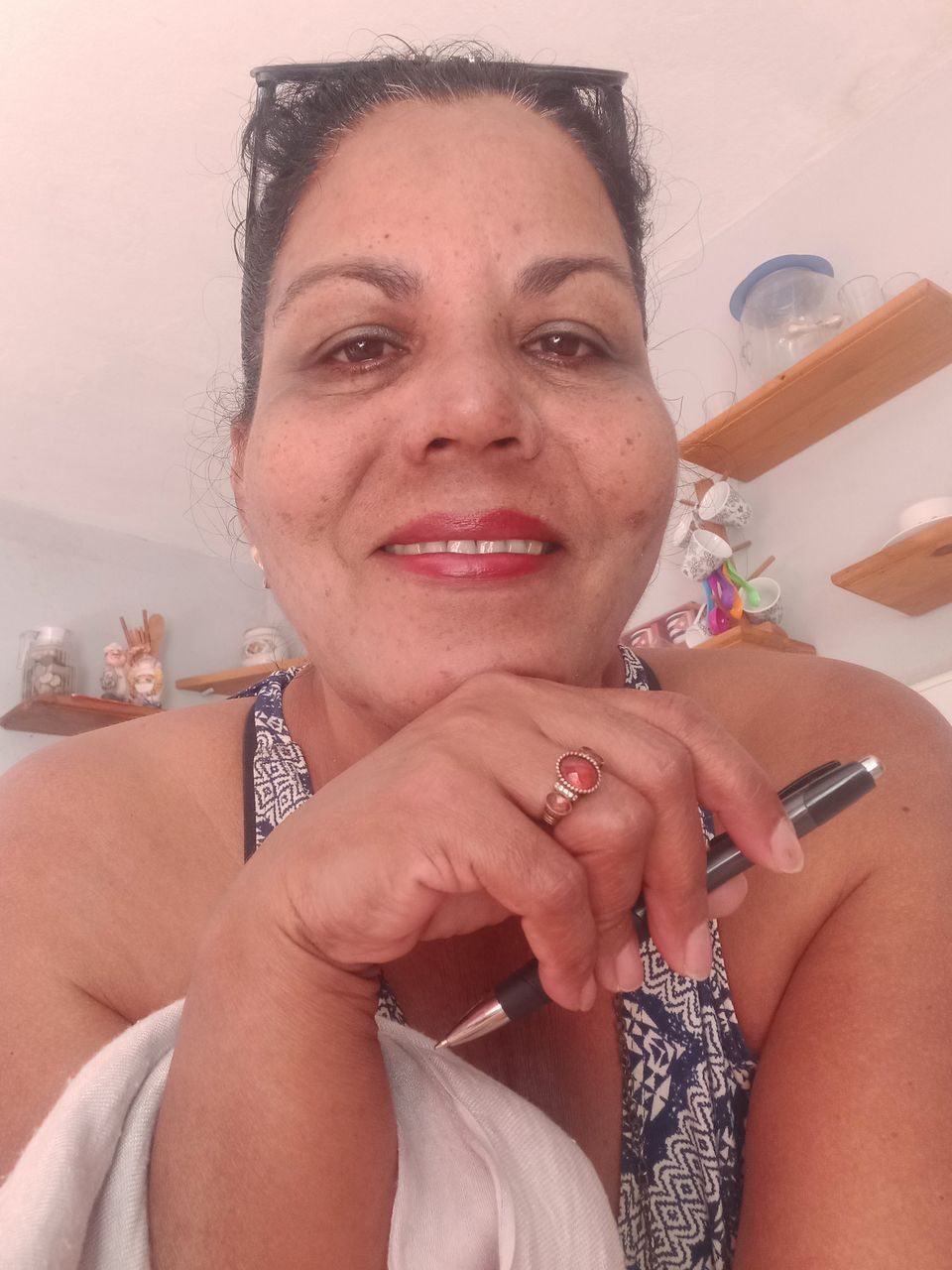
Este desamparo adulto no suele ser desesperado, sino más bien una necesidad de apoyo, un alguien a quien recurrir. Por cinco décadas he tenido a mi madre en ese pedestal, la que todo lo puede, pero la veo tan frágil, necesitada de atención y medicamentos que no están a nuestro alcance.
Ahí es donde aparecen las pequeñas grietas de la cotidianidad, en la noche el desvelo intenta buscar una solución, un milagro. Es el peso de saber que ya no hay una red de protección institucionalizada, como lo fue la familia en la infancia o la escuela en la juventud. No hay garantías médicas ni alimentarias, no hay nada.
Ahora, los únicos responsables de nuestra estabilidad emocional y material somos nosotros mismos, y esa consciencia, en momentos de crisis, puede resultar aplastante porque también tenemos carencias.
Lo inquietante de esta sensación es que convive con logros tangibles. Se puede sentir desamparo teniendo un techo propio, una pareja o un éxito profesional. Es un vacío que no se llena con posesiones ni con títulos. Surge cuando las máscaras caen y nos enfrentamos a la realidad.
Como adultos, hemos aprendido a ser los salvavidas de los demás, pero a menudo olvidamos cómo lanzarnos un cable a nosotros mismos. La vulnerabilidad, esa vieja conocida de la infancia, se disfraza de fracaso en la edad adulta, por lo que la escondemos, lo que agranda aún más la grieta interior.

Reconocer el desamparo en la adultez no es un ejercicio de honestidad profunda; no veo debilidad en ello. Es aceptar que la madurez no consiste en volverse invulnerable, sino en aprender a habitar la propia fragilidad con dignidad. Es entender que, aunque ya no haya una mano gigante sosteniéndonos, podemos aprender a construir nuestros propios refugios.
Al final, ser adulto es también eso: sostener la propia incertidumbre con una mano, mientras con la otra aprendemos a acariciar nuestro propio miedo y sostener a otros.


Gracias por visitar mi blog. Soy crítica de arte, investigadora social y amante de la cocina. Te invito a conocer más de mí, de mi país y de mis letras. Texto y fotos de mi propiedad.

A strange sensation
Hello friends of @Holos-Lotus, I have the feeling that this year is going by very quickly, I hope it leaves us with positive events for everyone.
In a whole year and two months on #Hive, I have told you the essential parts of my life; here I have left a map by which you can recognize the parts that make me up. I am almost always positive, optimistic, although I confess that the fragility of others affects me.
In all this 56-year journey, there is something significant in me: the need for protection. It is not precisely from the fear of darkness or imminent danger, but rather that shelter of knowing that someone tangible protects me.
Not saying it doesn't stop me from thinking it or feeling it, which is why I'm not afraid to say it. I always had the need for a father; I haven't had him close by since I was five years old. When I see a child living with a single mother, I can't shake that feeling.
Adulthood is socially presented as the pinnacle of self-sufficiency. It is assumed that, upon crossing that invisible border, one acquires a framework of certainties, a stable job, consolidated relationships, and the ability to navigate life with an infallible internal compass. However, beneath that façade of control, the need for protection extends. That is where helplessness dwells. It is an existential paradox: being of legal age and, at the same time, feeling that the world is not safe.
This adult helplessness is not usually desperate, but rather a need for support, someone to turn to. For five decades I have had my mother on that pedestal, the one who can do everything, but I see her so fragile, in need of care and medications that are beyond our reach.
That's where the small cracks of daily life appear; at night, sleeplessness tries to find a solution, a miracle. It is the weight of knowing that there is no longer an institutionalized safety net, as family was in childhood or school in youth. There are no medical or food guarantees, there is nothing.
Now, the only ones responsible for our emotional and material stability are ourselves, and that awareness, in times of crisis, can be overwhelming because we also have our own shortcomings.
What is unsettling about this feeling is that it coexists with tangible achievements. You can feel helpless while having your own roof, a partner, or professional success. It is a void that is not filled with possessions or titles. It arises when the masks fall and we face reality.
As adults, we have learned to be lifeguards for others, but we often forget how to throw a line to ourselves. Vulnerability, that old acquaintance from childhood, disguises itself as failure in adulthood, so we hide it, which further widens the inner crack.
Recognizing helplessness in adulthood is not an exercise in deep honesty; I do not see weakness in it. It is accepting that maturity does not consist of becoming invulnerable, but in learning to inhabit one's own fragility with dignity. It is understanding that, even if there is no longer a giant hand holding us up, we can learn to build our own shelters.
In the end, being an adult is also that: holding our own uncertainty with one hand, while with the other we learn to caress our own fear and support others.
Thank you for visiting my blog. I am an art critic, social researcher, and food lover. I invite you to learn more about me, my country, and my writings. Text and photos are my own.