
Un cálido saludo a los amigos e integrantes de 
Me hubiera encantado haber podido participar en las dinámicas anteriores propuestas por 

Pixabay
Participo esta vez porque la lectura y la escritura son pasiones en mí. A veces se bloquean, pero regresan como lo hacen las olas, y mis pies, o se hunden en la arena o solamente se humedecen. De cualquier forma la sensación siempre es única.
Quisiera comenzar con el hilo conductor con el que
Pixabay

Hace unos años encontré una red social para lectores, que lamentablemente ya no existe. Alibrate, se llamaba. Leíamos, reseñábamos…fue una experiencia maravillosa en la que retomé el hábito de la lectura que por injustificables razones había abandonado. ¿Por qué les cuento esto? Bueno, porque voy a comenzar por el final de la publicación de esta amiga: “ese algo que susurra el autor únicamente para nuestros oídos”. Ese algo que da respuesta a la pregunta ¿Quién soy?
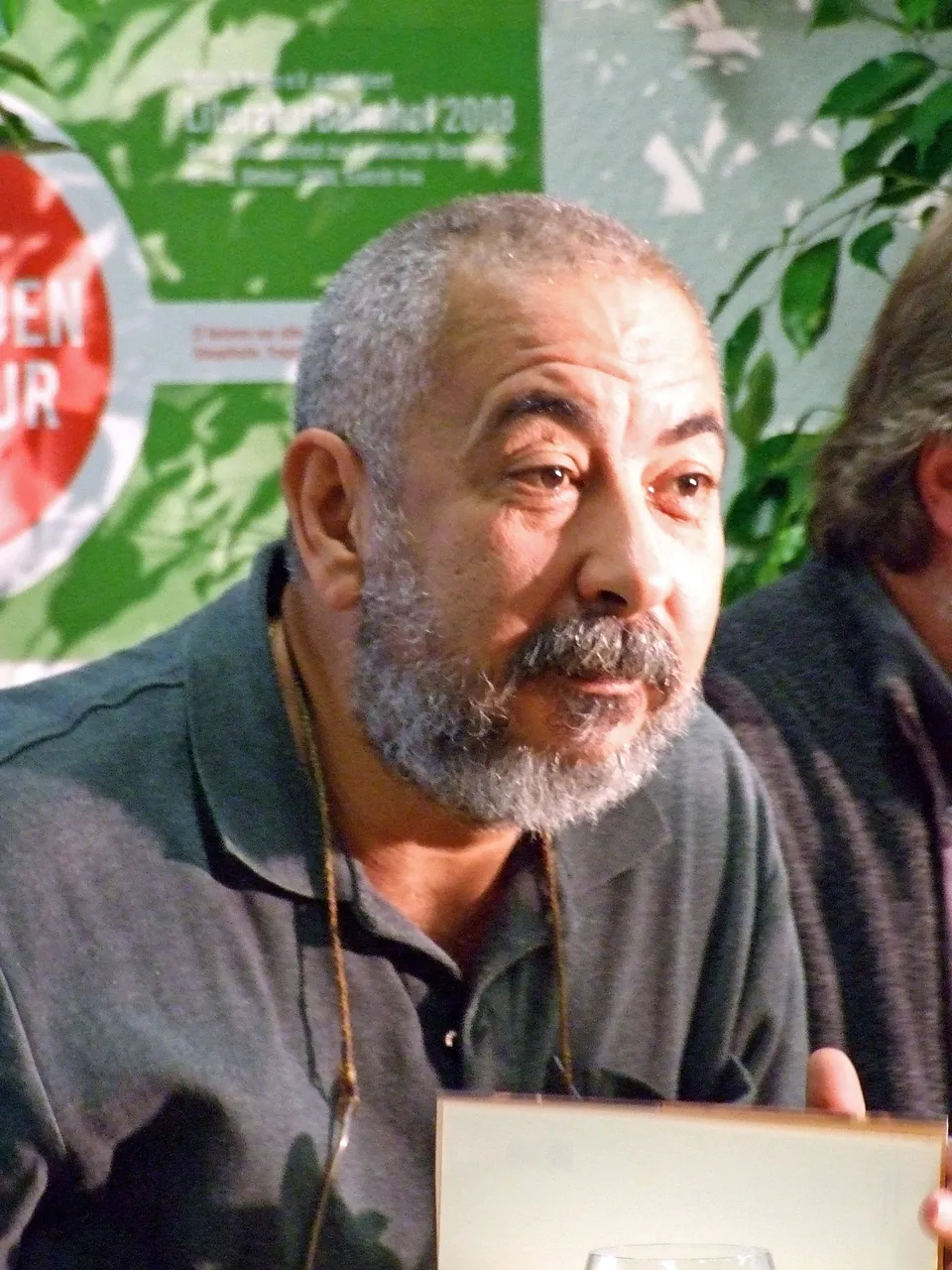
Wikipedia
Fue Leonardo Padura, en su novela Pasado Perfecto. Y lo que les dejo a continuación, fue mi “reseña” sobre ella en aquella red social.
Había tomado la decisión de no reseñar este libro porque sabía que no sería una reseña propiamente dicha…pero es que casi nunca hago una reseña propiamente dicha, no sé hacerlas como se debe, simplemente siempre me dejo llevar y todo termina en la cercanía personal y el aluvión de sentimientos que casi nunca controlo.
Pero estaba este bichito carcomiéndome desde el borrador de mi Word como un Pepe Grillo provocador y rebelde, pero honesto ante todo. Así que aquí va… plasmando solamente mi sentir.

Biblioteca electrónica del Instituto Cervantes
Esta es la primera novela de la tetralogía Las Cuatro Estaciones, en la que aparece por primera vez el detective policía (policía hasta el cuarto libro) Mario Conde, y Leonardo Padura me ha dejado nuevamente encharcada de certezas y de inimaginables nostalgias.
Los cubanos que, como yo, admiramos la obra de este escritor nuestro lo hacemos desde la complicidad y aceptación de que Padura no olvida (pero perdona cada vez, y esto es palpable). Le confiere al Conde todas las facetas recurrentes del protagónico de novela negra: desencantado, melancólico al exceso, bebedor, adicto al cigarro, desafortunado en amores, pero lo dota de una cubanía insalvable que te rompe el pecho, que te sacude brutalmente cada recuerdo.

Pexels
Te involucra, porque sin tener en cuenta la trama de esta historia, te ves ahí, en cualquier parte de mi isla, en cada calle de bonanza y penuria, en cada rincón de cuarto solitario y humilde, en cada escuela, en cada centro laboral, desenvainando el corazón para enfrentar tu vida venga como venga.

Pexels
Y esto es lo que más me ha gustado entender y descubrir una vez más. Esa desazón que me dejó cada noche, cuando cerrado el lector de mi laptop y con mi cabeza ya en la almohada de mis confrontamientos, yo volvía a mis vivencias personales por su culpa, a ese pasado atesorado con matices de tanto, y veía entonces no sólo a aquellos amigos inolvidables, escurridos y desperdigados por el mundo, sino que me encontré con historias similares a las de Conde joven: aquellas escuelas al campo donde aprendimos a “conocernos” y a imaginarnos cómo íbamos a ser en un futuro; aprendimos, muchos, a defender nuestra rebeldía a las puertas del Pre cuando una secretaria docente te impedía la entrada por usar muchos pulsitos tejidos de hilo en la muñeca del brazo (“no importa, me los vuelvo a tejer”, solía decirme cuando me los quitaban), o si usabas la saya del uniforme muy larga o muy corta, o los pantalones de los varones apretados como tubos imposibles, o las medias de colores y no blancas (yo las usaba negras)… Y me reencontré con aquellas reuniones de los sábados de la UJC donde un estudiante “perfecto”, idéntico al Rafael de esta novela (el que anda desaparecido y Conde tiene que buscar enfrentando a sus demonios), me dijo una vez que “un militante no podía ser tan romántico y soñador”…y fue el inicio cruel para un muy largo período de irme abriendo el cerebro a pedazos, renunciando a sueños instaurados y preservando sólo los más auténticos y “reales”.
Y como Conde, también quise estudiar Letras y no bajaron plazas ese año de 1987, y estudié Logopedia y me gradué. Y después fui aeromoza y ahora una fotógrafa infantil a la que nunca se le ha quitado las ganas de escribir.
Pues ya podrán entender cómo este libro me ha revuelto las entrañas.
Soy adicta a volver siempre al pasado, pero últimamente me duelen los recuerdos, y no por tristes (porque he sido muy feliz, y aunque uno siempre quiere más, me he realizado…algo), sino porque a pesar de todos los lugares oscuros, las personas crueles, los errores imperdonables, mi pasado es el nido de la sensible mujer que hoy soy.

Pexels
Gracias, Padura, por tu valor de siempre, por ser tan honorable, por escribir tan precioso, y por mostrar los cráteres ocultos, alertar de sus peligros, sobre todo, a aquellos que no se atreven a leerte y no desean que te lean…pero la vía para hacerlo la encontramos de una u otra forma.

Diario de Cuba
Este ha sido mi aporte, desde mi corazón y también desde un pasado no muy lejano. Gracias por la oportunidad y por leerme. Un abrazo virtual.


Warm greetings to friends and members of
I would have been delighted to have participated in the previous dynamics proposed by
Pixabay
I join this time because reading and writing are passions in me. Sometimes they get blocked, but they come back like waves do, and my feet either sink into the sand or just get wet. In any case, the sensation is always unique.
I would like to start with the thread with which
Pixabay
A few years ago I found a social network for readers, which unfortunately no longer exists. It was called Alibrate. We read, we reviewed...it was a wonderful experience in which I resumed the habit of reading that for inexcusable reasons I had abandoned. Why am I telling you this? Well, because I am going to start with the end of this friend's publication: “ something that the author whispers only for our ears”. The something which gives an answer to the question “Who am I?
Wikipedia
It was Leonardo Padura, in his novel Pasado Perfecto. And what I leave you below, was my “review” about it in that social network.
I had made the decision not to review this book because I knew it would not be a proper review...but I almost never do a proper review, I do not know how to do them properly, I just always get carried away and everything ends up in the personal closeness and the flood of feelings that I almost never control.
But there was this little bug gnawing at me from the draft of my Word like a provocative and rebellious Jiminy Cricket, but honest first and foremost. So here it goes...just leaving my feelings in words.
Biblioteca electrónica del Instituto Cervantes
This is the first novel of the tetralogy The Four Seasons, in which the police detective (policeman until the fourth book) Mario Conde appears for the first time, and Leonardo Padura has left me once again flooded with certainties and unimaginable nostalgia.
Cubans who, like me, admire the work of this writer of our own, do so with the complicity and acceptance that Padura does not forget (but forgives every time, and this is tangible). He confers to Conde all the recurrent facets of the noir novel protagonist: disenchanted, melancholic to excess, drinker, addicted to cigarettes, unlucky in love, but he endows him with an insurmountable Cubanness that breaks your chest, that brutally shakes every memory.
Pexels
It involves you, because regardless of the plot of this story, you see yourself there, in any part of my island, in every street of prosperity and hardship, in every corner of a lonely and humble room, in every school, in every workplace, unsheathing your heart to deal with your life no matter how it comes.
Pexels
And this is what I most enjoyed understanding and discovering once again. That uneasiness that left me every night, when I closed the reader of my laptop and with my head already on the pillow of my confrontations, I returned to my personal experiences because of him, to that treasured past with shades of so much, and I saw then not only those unforgettable friends, scattered and dispersed around the world, but I found myself with stories similar to those of young Conde: those country schools where we learned to “know ourselves” and to imagine what we were going to be like in the future; many of us learned to defend our rebelliousness at the door of the Pre-University when a teacher secretary denied you entry for wearing too many little bracelets knitted with string on the wrist of your arm (“it doesn't matter, I'll knit them again”, she used to tell me when they were taken away), or if you wore the uniform skirt too long or too short, or the boys' pants tight as impossible tubes, or the colored socks and not white (I wore them black).... And I rediscovered those Saturday meetings of the UJC where a “perfect” student, identical to the Rafael of this novel (the one who is missing and Conde has to look for him facing his demons), once told me that “a militant could not be so romantic and dreamy”... and it was the cruel beginning of a very long period of opening my brain to pieces, renouncing to established dreams and preserving only the most authentic and “real” ones.
And like Conde, I also wanted to study Letters and there were no vacancies that year in 1987, and I studied Speech Therapy and graduated. And then I was a flight attendant and now I am a children's photographer who has never lost the desire to write.
Well, you can understand how this book has shaken me to my core.
I am addicted to always going back to the past, but lately the memories hurt, and not because they are sad (because I have been very happy, and even though one always wants more, I have realized...something), but because in spite of all the dark places, the cruel people, the unforgivable mistakes, my past is the nest of the sensitive woman I am today.
Pexels
Thank you, Padura, for your usual courage, for being so honorable, for writing so beautifully, and for showing the hidden craters, alerting of their dangers, above all, to those who dare not read you and do not want to be read...but the way to do it we find it in one way or another.
Diario de Cuba
This has been my contribution, from my heart and also from the not too distant past. Thank you for the opportunity and for reading me. A virtual embrace.
Separador de texto/Text divider from [Png Egg]
Traductor/Translator DeepL