

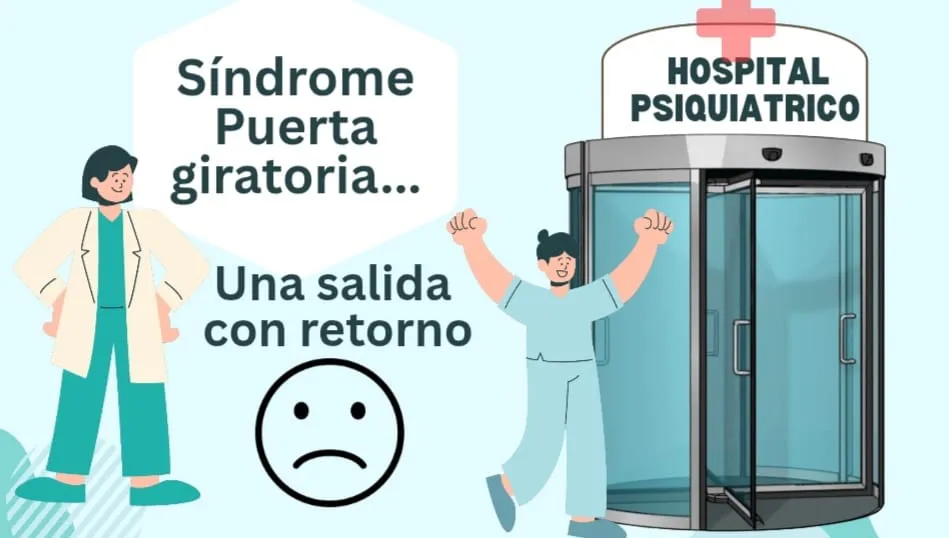
Trabajé años en ese hospital psiquiátrico, entre pasillos que olían a desinfectante y a resignación. Allí, los altas eran solo trámites, no soluciones. Los pacientes mejoraban —o al menos se calmaban—, les dabas sus pastillas, una cita para dentro de tres meses que sabías que no iban a cumplir... y al poco tiempo, volvían. La misma mirada perdida, el mismo historial manchado de café, la misma desesperación silenciosa. Era como una noria maldita: subían, bajaban, y volvían a subir. Nunca se iban del todo.

Mis compañeros eran gente dura, de esas que aguantan lo que otros no soportarían ni cinco minutos. Las enfermeras que esquivaban puñetazos y abrazaban a los que gritaban en la noche, los psicólogos que intentaban descifrar mentes rotas con preguntas que a veces ni ellos mismos creían, los asistentes sociales que peleaban por una plaza en una residencia que no existía. Todos hacían lo que podían. Yo también. Pero cada vez que firmaba un alta, me entraba un vacío en el estómago. ¿A qué volvían? ¿A un piso compartido con extraños? ¿A una familia que no entendía? ¿A la calle?

"El día que ya no pude más"
Fue Luis el que me reventó por dentro. Un muchacho con esquizofrenia, joven, listo, de esos que en otro mundo habría sido estudiante o artista. Dentro del hospital, con la medicación ajustada y alguien que le escuchaba, hasta bromeaba. Pero fuera... fuera le esperaba un cuarto diminuto, un trabajo de mierda en un almacén, y una madre que le soltaba un "¿cuándo te curarás?" cada vez que la veía. A la tercera vez que reapareció en urgencias en menos de un año, lo entendí: él no estaba fallando. Nosotros estábamos fallándole a él. Le dábamos pastillas para callar las voces, pero nadie le daba una razón para querer silenciarlas.

"Cambiar de trinchera"
Me largué a un centro de salud de barrio. Allí no había camas de crisis ni ingresos urgentes, pero había algo que en el hospital nunca sobraba: tiempo. Tiempo para escuchar a Carmen maldecir entre lágrimas porque su hijo, el bipolar, había vuelto a emborracharse. Para seguir yendo a casa de Roberto, el viejo con demencia, hasta el día en que me miró como si yo fuera un desconocido. Para ver a Luis —el mismo de siempre— aprender a convivir con esa voz que le susurraba tirarse al río.
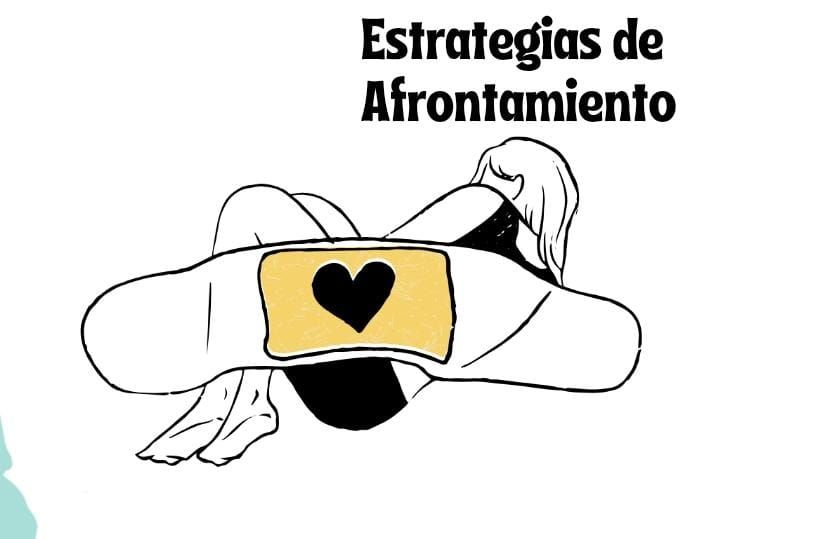
No era perfecto. A veces faltaban recursos, las listas de espera eran una broma cruel, y había días en que todo parecía inútil. Pero había algo que no tenía precio: verlos en su territorio. En su cocina de azulejos despegados, en su sofá con agujeros de cigarrillos, en su vida real. Ya no era el médico que aparecía solo cuando todo se desmoronaba. Era el tipo que estaba ahí, chapuceando, pero presente, cuando la sombra de la enfermedad asomaba otra vez.

Aún pienso en el hospital. En el ruido de las llaves de las celdas de aislamiento, en las discusiones a gritos sobre qué diagnóstico encajaba menos mal. Mis excompañeros siguen allí, peleando. Los admiro, pero yo ya no podía seguir siendo un engranaje más de esa máquina que parchea para que todo siga igual. Para que la rueda no deje de girar.

Algunos me dijeron: "Te aburrirás en la atención primaria". Puede. Pero el día que Luis me regaló un dibujo de un árbol —"antes las hojas me decían que me matara, ahora solo son hojas"—, supe que no me había equivocado. Aquí, al menos, las puertas no dan vueltas en círculos. A veces, incluso, se quedan abiertas.

Y si hay que explicar lo de la puerta giratoria, es que este sistema está más roto de lo que pensamos. Pero en esta esquina, por lo menos, hay quien sigue intentando que algo cambie. Aunque sea a golpe de paciencia y tiritas.


El texto es de mi autoría y fue realizado sin apoyo de IA.
Las imágenes fueron creadas con asistencia de Canva.
ENGLISH VERSION
"The Revolving Door"
I worked for years in that psychiatric hospital, between hallways that smelled of disinfectant and resignation. There, discharges were mere formalities, not solutions. Patients would get better—or at least calm down—you'd give them their pills, an appointment for three months from now that you knew they wouldn't keep... and soon, they'd come back. The same blank stare, the same coffee-stained medical records, the same silent desperation. It was like a cursed Ferris wheel: they went up, down, and up again. They never really left.

My colleagues were tough people, the kind who endured what others wouldn't endure for even five minutes. The nurses who dodged punches and hugged those who screamed in the night, the psychologists who tried to decipher broken minds with questions they sometimes didn't even believe, the social workers who fought for a spot in a nursing home that didn't exist. Everyone did what they could. So did I. But every time I signed for a discharge, I felt a void in my stomach. What were they going back to? To a shared apartment with strangers? To a family who didn't understand? To the streets?

"The day I couldn't take it anymore"
It was Luis who tore me apart inside. A kid with schizophrenia, young, smart, one of those who in another world would have been a student or an artist. Inside the hospital, on his medication and someone who listened to him, even joked. But outside... outside, a tiny room awaited him, a shitty job in a warehouse, and a mother who yelled "When will you get better?" every time she saw her. The third time he reappeared in the ER in less than a year, I understood: he wasn't failing. We were failing him. We gave him pills to silence the voices, but no one gave him a reason to want to silence them.

"Changing trenches"
I ran away to a neighborhood health center. There were no emergency beds or emergency admissions, but there was one thing the hospital never had enough of: time. Time to listen to Carmen curse through tears because her son, the bipolar, had gotten drunk again. To keep going to Roberto's house, the old man with dementia, until the day he looked at me as if I were a stranger. To watch Luis—the same as always—learn to live with that voice that whispered to him to jump into the river.

It wasn't perfect. Sometimes there weren't enough resources, the waiting lists were a cruel joke, and there were days when everything seemed hopeless. But there was something priceless: seeing them in their own territory. In their kitchen with peeling tiles, on their sofa riddled with cigarette holes, in their real life. He was no longer the doctor who only showed up when everything fell apart. He was the guy who was there, bungling, but present, when the shadow of illness loomed again.

I still think about the hospital. In the clang of keys in the isolation cells, in the shouting matches about which diagnosis fit the least. My former colleagues are still there, fighting. I admire them, but I could no longer remain just another cog in that machine that patches things up so everything stays the same. So the wheel doesn't stop turning.

Some told me: "You'll get bored in primary care." Maybe. But the day Luis gave me a drawing of a tree—"before the leaves told me to kill myself, now they're just leaves"—I knew I wasn't wrong. Here, at least, the doors don't go around in circles. Sometimes, they even stay open.

And if we have to explain the revolving door, it's because this system is more broken than we think. But in this corner, at least, there are those who continue trying to make something change. Even if it's with patience and Band-Aids.


The text is my own work and was created without AI support.
The images were created with the assistance of Canva.
Google Translate was used.