

Por supuesto que alguna vez has visto alguna película sobre piratas como "Piratas del caribe", tan solo por poner un ejemplo, o quizá alguna vez hayas leído alguna de las tantas novelas que han escrito sobre ellos, pero ¿de verdad los conoces? ¿sabes como era la vida de estos temibles lobos de mar? Sigue leyendo este post podrás conocer muchas curiosidades que te resultarán interesantes.
Of course you have seen a film about pirates like "Pirates of the Caribbean", just to give an example, or maybe you have read one of the many novels that have been written about them, but do you really know them? Do you know what life was like for these fearsome sea wolves? Keep reading this post to find out many interesting facts that you will find interesting.

Probablemente también conozcas a los piratas por otros nombres que la gente ha usado como sinónimos para referirse a ellos, tales como "Corsarios" o "Filibusteros", pero en realidad cada una de esas palabras, si bien se relacionan de alguna manera, tienen una connotación distinta y por lo tanto debemos aprender a diferenciar estos tres términos.
You probably also know pirates by other names that people have used as synonyms to refer to them, such as "Corsairs" or "Filibusters", but in reality each of these words, while related in some way, has a different connotation and therefore we must learn to differentiate between these three terms.
Piratas:
Manuel Lucena Salmoral (catedrático de Historia de América en la Universidad de Alcalá de Henares y Doctor en Historia) en una de sus obras se refiere a los piratas como gente pobre, delincuentes, vagabundos, desertores y miserables que se dedicaban a robar en el mar o en las riberas, en fin, acosadores del comercio marítimo. Eran personas que vivían al margen de la ley por defender sus propios ideales que se oponían al sistema.Pirates:
Manuel Lucena Salmoral (Professor of American History at the University of Alcalá de Henares and Doctor of History) in one of his works refers to the pirates as poor people, criminals, vagabonds, deserters and wretches who dedicated themselves to stealing at sea or on the shores, in short, harassers of maritime trade. They were people who lived outside the law to defend their own ideals that were opposed to the system.

Corsario:
Este era una especie de mercenario pagado por el estado y por lo tanto obedecía sus ordenes, su trabajo era saquear cuanto podía para vulnerar las finanzas del país enemigo de su rey. Cuando se firmaba un acuerdo de paz entre ambas naciones, se suponía que los corsarios detenían sus actividades, aunque muchos de ellos continuaban acosando al enemigo.corsairs:
This was a kind of mercenary paid by the state and therefore obeying its orders, his job was to plunder as much as he could in order to undermine the finances of his king's enemy country. When a peace agreement was signed between the two nations, the privateers were supposed to stop their activities, although many of them continued to harass the enemy.

Filibusterios:
Así se les llamaba a los piratas que cometían robos en el mar de las antillas en el siglo XVII, lo que los diferenciaba de los demás piratas era que ellos no se alejaban de las costas, solo la bordeaban y saqueaban las localidades cercanas. Algunos opinan que ellos eran una especie de "Piratas domesticados" pues se volvían leales a quien les ofrecían refugio y ayuda, de esta manera, las costas americanas de las colonias españolas se vieron infestadas de filibusteros financiados por los enemigos de España.Filibusters:
This was the name given to the pirates who committed robberies in the sea of the Antilles in the 17th century, what differentiated them from other pirates was that they didn't move away from the coasts, they only skirted the coast and plundered the nearby towns. Some believe that they were a kind of "domesticated pirates" because they became loyal to those who offered them refuge and help, so that the American coasts of the Spanish colonies were infested with filibusters financed by the enemies of Spain.

Pero probablemente ustedes también hayan visto o escuchado otra palabra que igualmente se usa para referirse a los piratas y sí tienen razón.
But you have probably also seen or heard another word that is also used to refer to pirates, and yes, you are right.
Bucaneros:
Esta palabra viene de "Bucán" que es la forma en que los caribeños llamaban a la carne ahumada. Los bucaneros vivían en la parte occidental de la isla "La Española" actual Haití, y vivían de cazar vacas y cerdos salvajes que luego ahumaban y comerciaban con los barcos provenientes del caribe, sin embargo cuando España invadió la isla por no pagar sus impuestos a la corona, exterminó a todos los animales y por lo tanto los bucaneros terminaron uniéndose a los filibusteros para combatir a los españoles.Buccaneers:
This word comes from "Bucan" which is how the Caribbean people called smoked meat. The buccaneers lived in the western part of the island "La Española" (The spanish), now Haiti, and lived by hunting cows and wild pigs which they smoked and traded with the ships coming from the Caribbean. However, when Spain invaded the island for not paying their taxes to the crown, they exterminated all the animals and therefore the buccaneers ended up joining the filibusters to fight the Spaniards.

Algunos piratas y corsarios famosos
Famous pirates and corsairs
Barbanegra:
Edward Teach, mejor conocido como Barbanegra, fue un pirata inglés que se mantuvo activo en Indias Occidentales y las costas de las colonias británicas en el siglo XVIII. Físicamente era muy alto y bastante conocido por llevar una espesa barba negra adornada con rizos. Antes de iniciar una batalla, se metía cerillas encendidas debajo del sombrero, se trataba de unos palillos largos hechos de cáñamo y mojados en salitre ¿Por qué lo hacía? pues para que su aspecto fuese aún más aterrador, otras veces escondía estos palillos en su espesa barba, pero algunas personas sostienen la teoría de que a veces llevaba cannabis en lugar de esos palillos encendidos.Blackbeard:
Edward Teach, better known as Blackbeard, was an English pirate who was active in the West Indies and the coasts of the British colonies in the 18th century. He was physically very tall and was well known for wearing a thick black beard adorned with curls. Before going into battle, he would tuck lighted matches under his hat, long sticks made of hemp and dipped in saltpetre. Why did he do this? To make his appearance even more terrifying, he would sometimes hide these sticks in his thick beard, but some people theorise that he sometimes carried cannabis instead of these lighted sticks.

Mary Read:
Sí, amigos, como lo ven, las mujeres también tuvimos representación en la piratería, aunque realmente no sea algo de lo cual enorgullecerse. Ella fue una mujer inglesa que estuvo activa como pirata entre los años 1719 y 1720 junto a su compañera, la irlandesa Anne Bonny quien fue quien raptó a Mery junto a su esposo Jack Rackham cuando asaltaron el barco donde ella viajaba y ambos la convirtieron en pirata.Mary Read:
Yes, my friends, you see, women were also represented in piracy, although it's not really something to be proud of. She was an English woman who was active as a pirate between 1719 and 1720 along with her companion, the Irishwoman Anne Bonny who kidnapped Mery along with her husband Jack Rackham when they raided the ship she was travelling on and both turned her into a pirate.

Jack Rackham:
También era inglés y el esposo de Anne Bonny con quien raptó y convirtió a la piratería a Mary Read. Anteriormente él era el contramaestre del capitán Charles Vane, pero cuando él huyó del ataque de un buque francés, Rackham decidió tomar el mando de la nave (mediante votación popular de los marineros) y abandonó al antiguo capitán junto a sus seguidores leales en una chalupa.Jack Rackham:
He was also an Englishman and the husband of Anne Bonny with whom he abducted and converted Mary Read to piracy. Previously he was the boatswain to Captain Charles Vane, but when he fled an attack by a French ship, Rackham decided to take command of the ship (by popular vote of the sailors) and abandoned the former captain and his loyal followers on a barge.

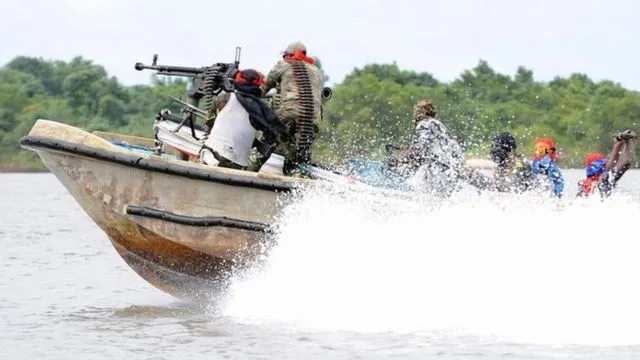
Estos son solo algunos de los muchos nombres famosos que hay a lo largo de la historia de la piratería, pero aunque pienses que estas son cosas del pasado, lamentablemente la piratería sigue siendo un problema del presente, solo que ahora cuentan con armamentos y tecnología marítima.
These are just a few of the many famous names throughout the history of piracy, but while you may think these are things of the past, unfortunately piracy is still a present day problem, only now with maritime weapons and technology.

Bien amigos, esto ha sido todo por el día de hoy, espero que les haya gustado la información y que si tienen algún aporte me lo hagan saber ¡Por cierto! Olvidé añadir que Rackham además fue famoso por diseñar la famosa bandera pirata que contiene los sables y la calavera.
Well friends, that's all for today, I hope you liked the information and if you have any input please let me know by the way! I forgot to add that Rackham was also famous for designing the famous pirate flag containing the cutlasses and the skull.
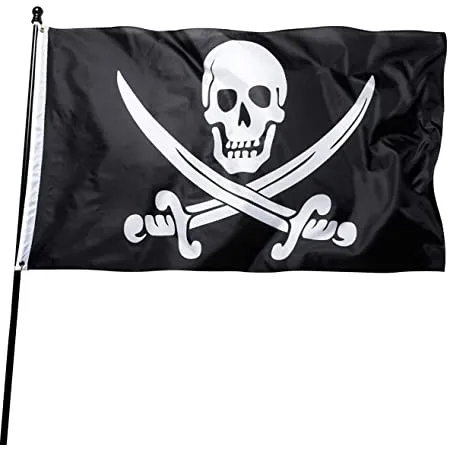

Image designed by me in canva
A continuación les dejaré las fuentes en las cuales encontré información valiosa para la realización de este post.
Here are the sources from which I found valuable information for this post.