
Image: oneearth

Musk oxen, ancient creatures that roamed the Earth alongside saber-toothed tigers and mastodons, are one of the few species to have survived the Ice Age. Their thick fur and sturdy build allowed them to endure the harshest conditions, and they once thrived across vast territories in the Arctic and parts of Europe and Asia.
However, overhunting and climate changes nearly wiped them out by the 19th century, leaving only small populations in remote regions like Greenland and Alaska. Thankfully, reintroduction efforts starting in 1934 have been incredibly successful, and today, over 5,000 musk oxen live in Alaska alone. The Musk Ox Farm in Palmer, Alaska, plays a crucial role in this effort, providing a safe haven for these resilient animals.
Image: apnews
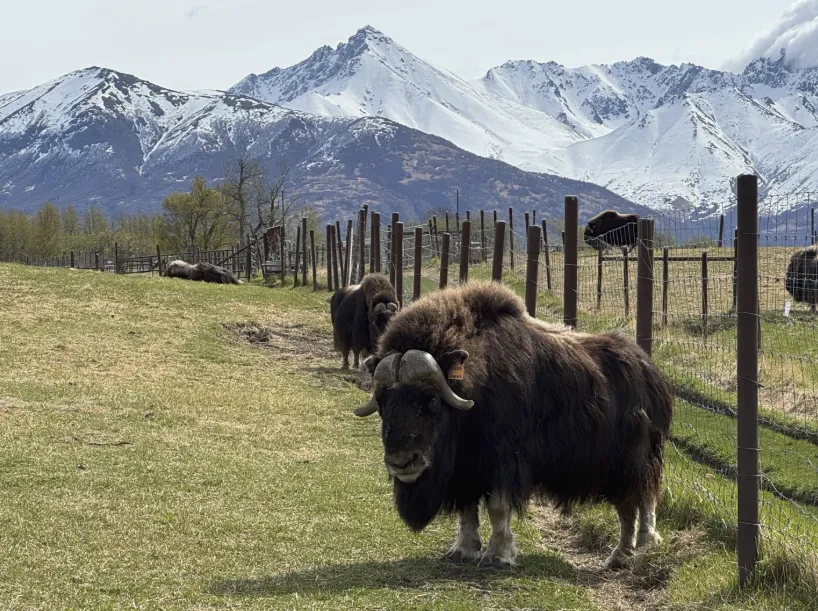
The Musk Ox Farm in Palmer, Alaska, celebrates Mother's Day by offering free admission and a daisy to all mothers.
This event marks the beginning of the farm's summer season and attracts over 1,500 visitors annually. The farm is home to 75 musk oxen, including newborn calves and an elderly bull named Trebek, named after the late "Jeopardy!" host Alex Trebek, who was a benefactor of the facility.
Musk oxen are considered ice age survivors, having roamed vast territories alongside ancient creatures like saber-toothed tigers and mastodons.
Today, around 5,000 musk oxen live in Alaska, thanks to reintroduction efforts that began in 1934. The farm, a nonprofit organization, uses the Mother's Day event to raise donations and educate the public about these unique animals.
It's a quirky mix of ancient history and modern-day festivities, where a farm's annual celebration of musk oxen also raises awareness for conservation efforts and gives visitors a chance to learn about these majestic creatures.
References:
https://apnews.com/article/alaska-ice-age-musk-ox-mothers-day-798ad0a111a41046d3f314dd310b69a2