
Just finished reading a rather interesting book, Plutopia: Nuclear families, atomic cities, and the great Soviet and American plutonium disasters. Written by Kate Brown, it focuses on the cities of Richland in Washington and Ozersk in Chelyabinsk Oblast, the first two places to produce plutonium for atomic weapons.

Despite the ideological divide between their respective countries the two cities they share a remarkably similar history. Both were built from scratch in the middle of nowhere, in a hurry, over budget and behind schedule. Both were essentially closed cities, dedicated to the production of a single product. Both cut corners on safety in the name of production and both are now environmental disasters. Both offered residents a devil's bargain, namely prosperity and economic security in exchange for their silence and acquiescence to the danger and atomic catastrophe unfolding around them.
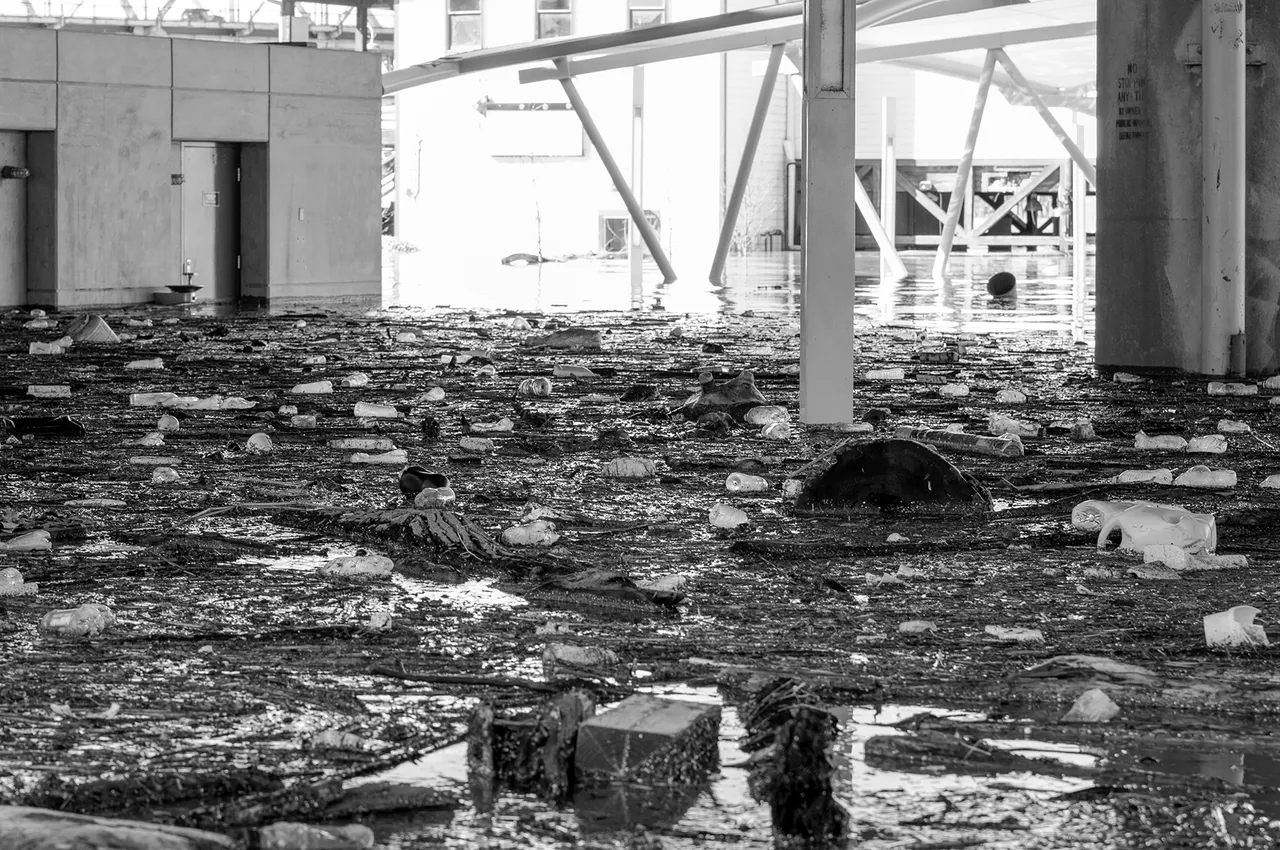
At it's heart the book is a chronicle of the hubris of humanity. Capitalist or communist, it seems it made no difference when it came to prioritizing short term results over long term consequences, to using humans as unwitting and unwilling guinea pigs, to denying and suppressing inconvenient information.

What's really fascinating is how both cities existed as glaring contradictions to the nominal 'values' of their respective countries. Richland was a city of subsidized rents, no free market, and a Big Brother surveillance/security establishment while in Ozersk consumption was the name of the game.

If you don't trust your government, or more especially if you do, you should give Plutopia a read. Either way it'll be an eye opening experience on a topic that has long been shrouded in secrecy. Just don't drink the water.

