
¡Hola queridos usuarios de👧👦 Hive ✨💕!
Hi dear Hive users ✨💕!
Siguiendo con la línea de patronaje básico que les he estado explicando en algunas publicaciones, el día de hoy les enseñare a realizar el patrón básico infantil, esta forma de hacerlo que a continuación les mostrare es útil tanto para piezas de ropa de niñas como de niños, lo que variará en este caso será obviamente la forma que tome el patrón con respecto a si lo estamos realizando para una niña o un niño. Espero el post sea de mucha utilidad y sin más que decir comencemos.
Continuing with the basic pattern line that I have been explaining in some publications, today I will teach you how to make the basic child pattern, this way of doing it that I will show you next is useful for both girls and boys clothing pieces, what will vary in this case will obviously be the form that the pattern takes regarding if we are making it for a girl or a boy. I hope the post is very useful and without further ado let's get started.


📐✏️ MATERIALES || MATERIALS 📐✏️
- Hojas.
- Marcador o lápiz.
- Cinta Métrica y Regla.
- Tijera de papel.
- Sheets.
- Marker or pencil.
- Tape Measure and Ruler.
- Paper scissors.

📐✏️ COMENCEMOS CON EL TRAZO || LET'S START WITH THE TRACE 📐✏️
Las medidas que necesitaremos son:
- Contorno de Pecho: que se mide por la parte más prominente del pecho.
- Contorno de Cintura: que se toma por la parte más delgada de la cintura del niño o niña.
- Contorno de Cadera: que se toma por la parte más prominente de la cadera.
- Talle Espalda: que se toma desde el nacimiento cuello-hombro hasta la cintura, solo utilizaremos la medida del talle de la espalda, porque en los niños y niñas no hay diferencia de talle.
- Contorno de cuello: se toma por la base del cuello.
- Ancho de pecho: se mide desde el pliegue de un brazo al otro pliegue.
- Ancho de espalda: se mide de hombro a hombro.
- Largo de Hombro: se toma desde el nacimiento cuello-hombro hasta el comienzo del brazo (justamente hasta el huesito del hombro).
The measures we will need are:
- Chest Contour: which is measured by the most prominent part of the chest.
- Waist: which is taken by the thinnest part of the child's waist.
- Hip measurement: taken from the most prominent part of the hip.
- Back size: taken from the birth of the neck-shoulder to the waist, we will only use the size of the back, because in children there is no difference in size.
- Neck size: is taken by the base of the neck.
- Chest width: is measured from the fold of one arm to the other fold.
- Back width: is measured from shoulder to shoulder
- Shoulder length: is taken from the birth of the neck to the beginning of the arm (just to the shoulder bone)
Comenzaremos con el patrón delantero, para ello dibujaremos en el papel un ángulo recto y marcaremos desde la esquina superior hacia abajo la medida del talle de espalda, y desde la esquina superior hacia la derecha marcaremos ¼ de contorno de pecho más 1 cm, y formaremos un rectángulo.
We will start with the front pattern, for this we will draw on the paper a right angle and mark from the top corner down the measure of the back size, and from the top corner to the right we will mark ¼ of chest contour plus 1 cm, and form a rectangle.


Desde la esquina superior hacia abajo marcaremos la mitad del ancho de la espalda más 2 cm y escuadraremos esa marca. Luego marcaremos la mitad del ancho de espalda nuevamente, desde la esquina superior hacia la derecha y también escuadraremos esa marca.
From the top corner down we will mark half the width of the back plus 2 cm and square that mark. Then we will mark half the width of the back again, from the top corner to the right and we will also square that mark.

Bajaremos 2 cm desde la línea superior por la línea del ancho de espalda para indicar la caída de hombro, desde este punto en dirección a la línea superior y de forma diagonal marcaremos el largo de hombro, y trazaremos la línea.
Go down 2 cm from the top line along the line of the width of the back to indicate the fall of the shoulder, from this point in the direction of the top line and diagonally mark the length of the shoulder, and draw the line.

Desde la esquina superior hacia abajo marcaremos 1/6 del contorno de cuello más 2 cm, y formaremos la curva del cuello.
From the top corner down we will mark 1/6 of the neck contour plus 2 cm, and form the curve of the neck.

Medimos desde el hombro hasta la sisa y hacemos una marca a la mitad, allí nos vamos a meter 0,7 cm y formaremos la curva de la sisa.
We measure from the shoulder to the armhole and make a mark in the middle, there we will get 0.7 cm and form the curve of the armhole.


En la cintura marcaremos ¼ del contorno de cintura más 1 cm, y unimos esta marca con una línea a la sisa. Medimos cuánto hay desde la cintura a la línea de la sisa, y esta misma medida la llevamos desde la cintura hacia abajo. Ahí escuadraremos con ¼ del contorno de cadera más 1 cm y uniremos a la cintura con una curva.
On the waist we will mark ¼ of the waist outline plus 1 cm, and we join this mark with a line to the armhole. We measure how much there is from the waist to the armhole line, and this same measure we take from the waist down. There we will square with ¼ the contour of the hip plus 1 cm and join the waist with a curve.
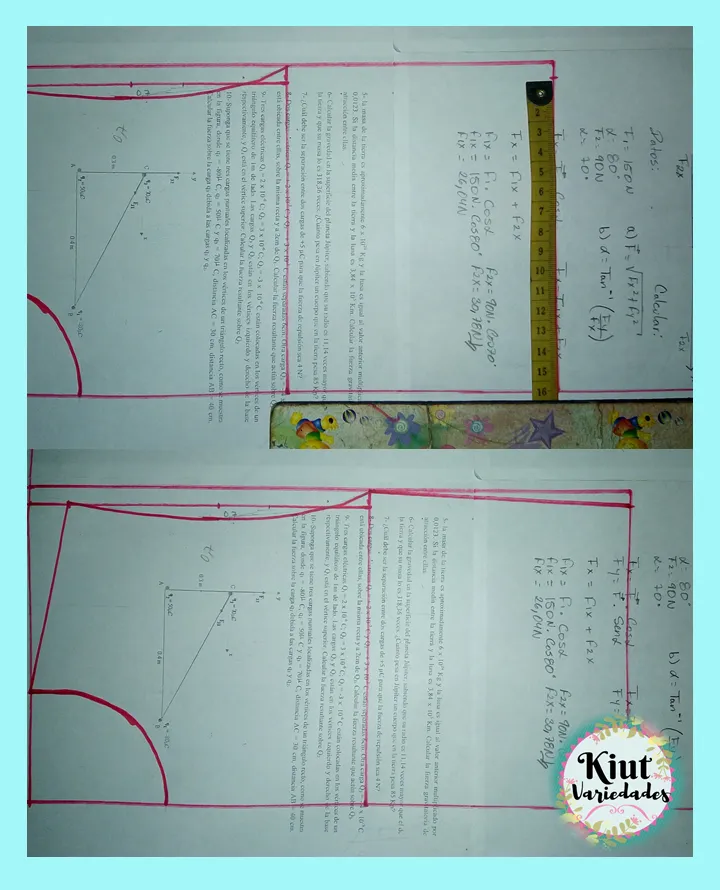


Por último haremos el traslado de hombro, en la parte del hombre quitaremos 1cm el cual después debemos añadir al patrón de la espalda.
Finally we will make the transfer of shoulder, in the part of the man we will remove 1cm which then we must add to the pattern of the back.

Para el patrón de la espalda volveremos a dibujar un ángulo recto, y tomaremos el patrón delantero y los vamos a calcar excepto el cuello.
For the back pattern we will draw again a right angle, and we will take the front pattern and trace them except the neck.

En el cuello bajaremos 1,5 cm y formaremos la curva.
In the neck we will go down 1.5 cm and form the curve.
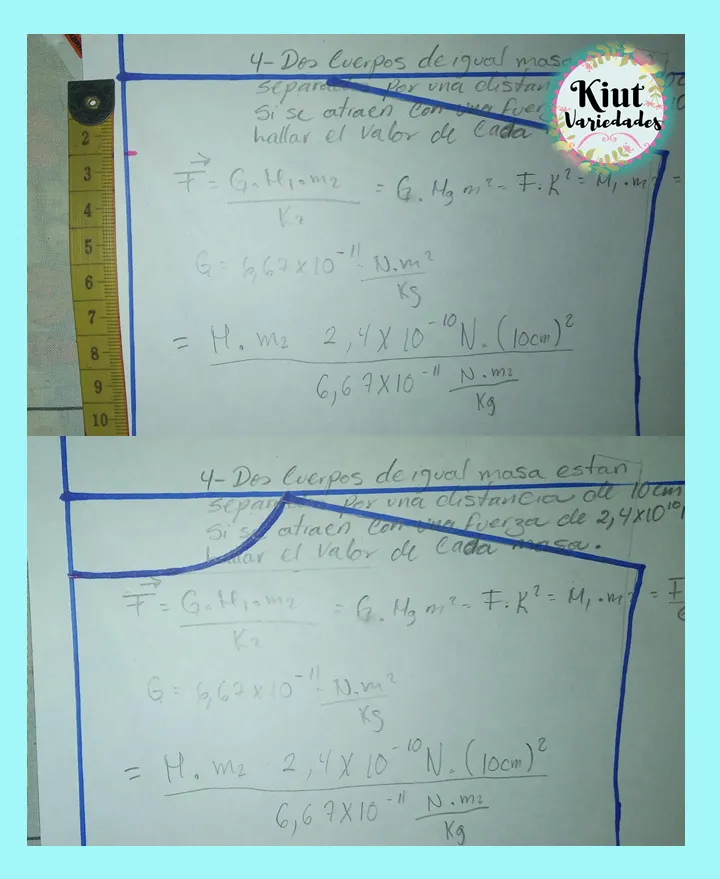
Y finalmente en el hombro de la espalda haremos el traslado de hombro correspondiente.
And finally on the shoulder of the back we will do the corresponding shoulder transfer.

LISTOOOOO!!!!👏👏, ya tenemos terminados nuestro patrones, que como bien les comente al principio, con estos pasos se realizan patrones para niña y para niño, debemos recordar que a los patrones básicos no se les añade margen de costura pues eso es algo que se hace en las posteriores transformaciones.
READY!!!!👏👏, we have already finished our patterns, which as I mentioned at the beginning, with these steps are made patterns for girls and for boys, we must remember that the basic patterns are not added margin of seam because that is something that is done in the subsequent transformations.


Espero este post haya sido de tu agrado 👍 💕, si realizas por tu cuenta lo aquí explicado, no olvides contarme en los comentarios 👇 como ha sido tu experiencia.
I hope this post has been to your liking 👍 💕, if you do on your own what is explained here, do not forget to tell me in the comments 👇 how has been your experience.

Síguenos en todas nuestras redes sociales… || Follow us on all our social networks ...
Facebook:KiutVariedades
Instagram:@Kiut_variedades
Twitter:@Kiut_variedades