
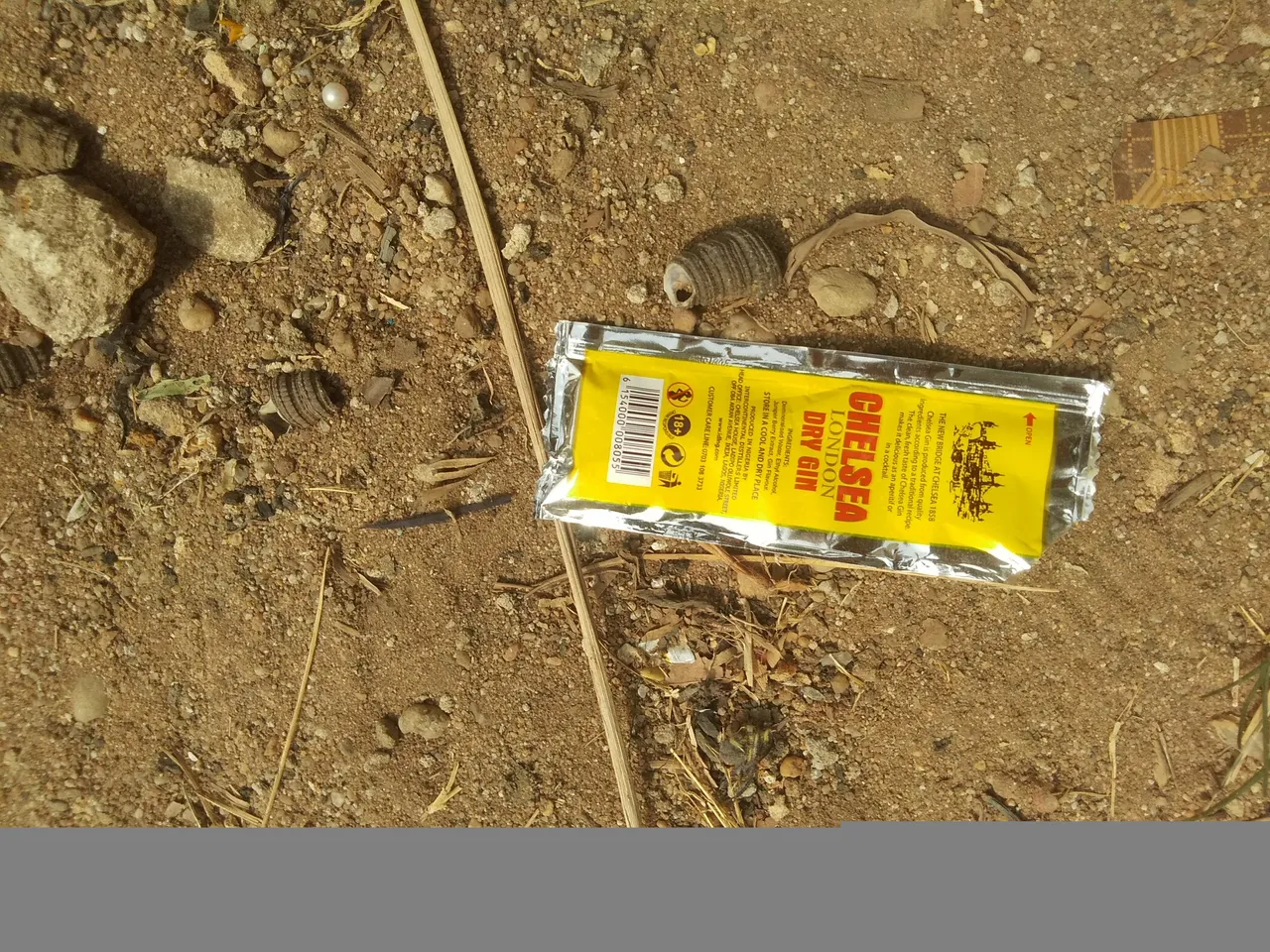
On my way back from work, as I approached my house, I found myself instinctively picking up trash from the streets. The simple act of cleaning up resonated with my commitment to fostering a cleaner and healthier environment, even in my immediate surroundings.
Effective waste management involves a combination of responsible disposal and regular cleaning practices. To maintain a clean living space, it's crucial to segregate waste into categories such as recyclables, organic, and non-recyclables. This ensures a more sustainable approach to waste disposal.
Regular cleaning routines, both indoors and outdoors, contribute significantly to a hygienic environment. Sweeping, mopping, and dusting help control indoor dust and allergens, while outdoor areas benefit from regular debris removal. Consistent cleaning not only enhances aesthetic appeal but also prevents the accumulation of harmful bacteria and pests.
Proper disposal of waste involves using designated bins for different types of trash. Recycling bins accommodate materials like paper, plastic, glass, and metal, reducing the environmental impact. Organic waste, such as kitchen scraps, can be composted for fertilizer. Non-recyclables should be disposed of responsibly in designated waste bins.
I just used the normal bin for my plastic material.
In addition to individual efforts, community initiatives for waste management, such as neighborhood clean-up drives, can significantly improve the overall cleanliness of an area. Regular collaboration and awareness campaigns can inspire collective responsibility, fostering a cleaner and more sustainable living environment for everyone.




Thanks


