

In the north of Ghana is a National Park that is one of to most visited parks in Ghana. Mole national park is one of the few places in Ghana where you can see some of the wildlife you would expect to see in Africa or on Safari. It used to be quite the journey to get there from Accra. You would first have to spend about 14 hours on a bus to Tamale. Then get on another bus that would back track and navigate a dusty road until you reach the place taking about another 3 hours fro Tamale.
Luckily most of that has changed since the last time I was there in 2011. There are now simple easy and affordable flights from Accra to Tamale taking about 45 minutes. Now the road is good and paved all the way from Tamale to the park. There is also now a 5 star resort there catering to the higher end customers. This is all very good for the park.
How do the people living around the park feel about it and people just passing by their village or never visiting or stopping at all to just visit the park. This sort of tourism did not benefit them much and they felt left out when the park was established. Not only are they missing out on the tourism visits from the park but they also lost much of their access to land for grazing, hunting and farming. When times get bad it is not hard to see how a father of a hungry family could easily become a poacher to put meat on the table. Or how a farmer who had his crops trampled by elephants would not seek revenge or repayment through ivory.
Conservation in the form of national parks has had mixed success in Africa. It is all the glam and rage for someone from the west to come on a Safari and see the big 5 but do they know what that has cost the people who live around the parks?
Magnori village is one of these villages on the outskirts of Mole. It is off the main road even from the main town in the area that connects to the main gate of the park. There was not even a reason for a tourist to pass through this village. But in the later part of the 2000s to 2010, the Peace Corp, SNV along with a number of other local organizations did a big push for community based and Eco-tourism in the country. They formed a number of community based tourism projects where it was possible to visit communities have some localized tours, and stay in homestays for a standardized price by somewhat trained local guides. This took some of the guess work out of it and opened the door to more pooled marketing techniques. The marketing never really took off and this is where I had a little travel company that started doing this in 2011.
As part of launching this company then, I was living in the US and I made a 3 week trip to Ghana to do research on my of these places, hotels and operators to work with. This is the visit I made to Magnori in pictures and words.


Larabonga is a town just before the park entrance. It is a prime example of how things can turn very negative when tourists are introduced to the system. This town has one of the oldest and best preserved mud and stick mosques dating back to the 14th century. Because of this many tourists on their way to Mole Park will stop in the town and quickly view the mosque. Since there is not a whole lot of interpretation needed and it is not possible to enter the mosque any way tourists did not need to interact much with the community to see what they need. The community was not getting much of a return from tourism and young guys in the area took a couple of different approaches to get their return. Some turned to crime and bullying of tourists, others had elaborate stories and scams revolving around fake NGOs and charity projects, and other became adhoc guides that were very difficult to get used to. This is because the community had not come together to decide how they would benefit from their attraction and how those funds would be used.
I had a few days budgeted for the Mole area, and one of these was to be spent at Magnori and do a homestay there. I must admit it was a challenge to pull myself away form the pool and hotel at the park to go stay in the village as it was quite hot. But I followed through with it and had a great time experiencing many facets of the village life and taking a canoe safari.

When you first arrive the place just seems like a dusty collection of huts. But after some interpretation from a local things get more interesting.

Some patterns made in the clay cob that makes the wall of this house.

Here we have some raw Shea nuts and then some locally processed Shea butter. Shea butter is a very great for skin and hair and hit has been getting known around the world for this, and is in many cosmetic products. It is seen as another gold in the north where the trees grow wild. The nuts are collected by local women and processed by hands in cooperatives. The raw shea butter is then sold in markets around the country and for export. It is one of the primary economic avenues for women living in these rural northern village.

This is a grain silo for storage of the grains, yams and other dry food crops after harvest.

An areal view of the village.

This man is one of the healers in the village. Both my dad an I were both pretty congested from being on the dusty roads for a couple of weeks already. He prescribed and gave us a stick to chew each morning. And in a few days were were all cleared up.
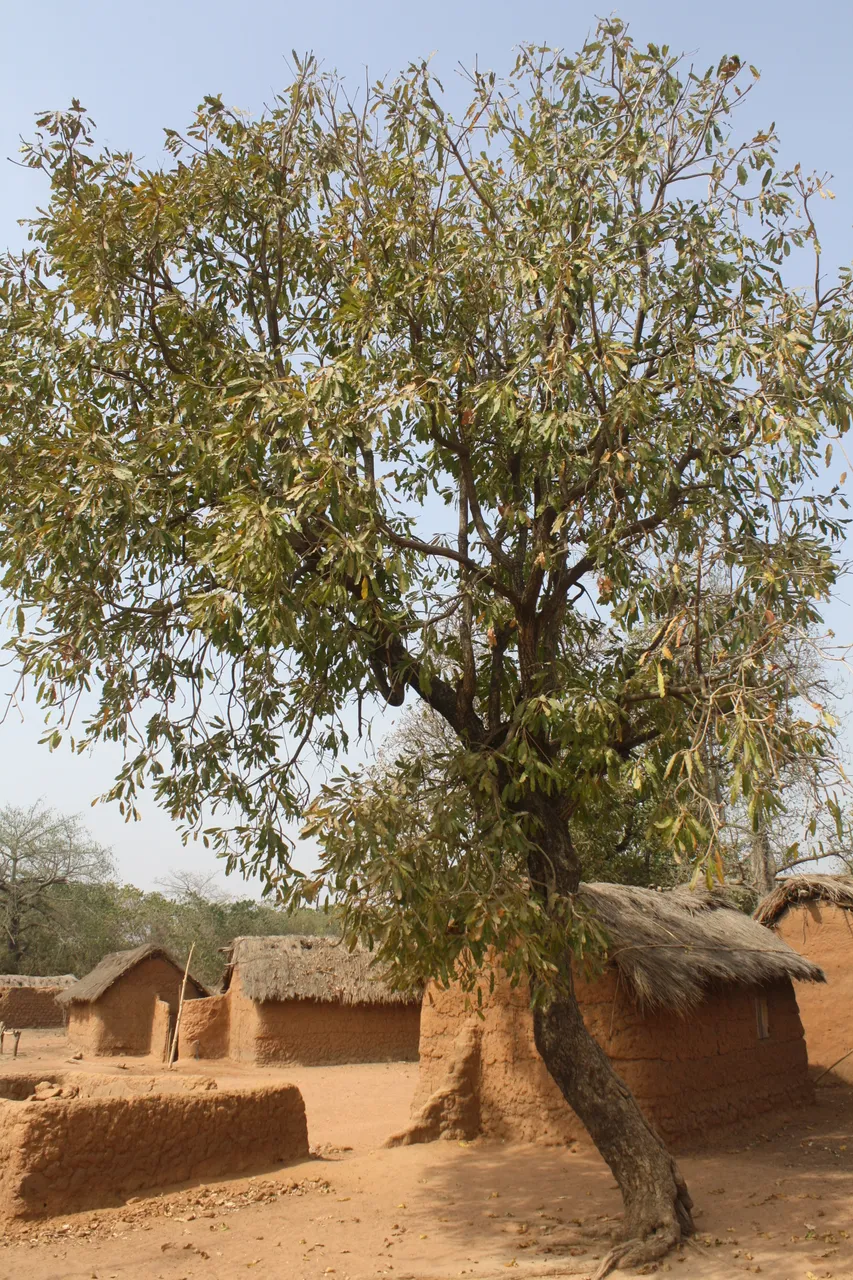
I nice shady spot for some relief from the sun.


Pigeons are a blessing in this community, they are eaten and seen as very special. This man is showing us his pigeon house connected to his house.

The kids were very friendly, adorable and excited about having visitors.

A field of tobacco, mainly for local use and is unprocessed.

Farmers often create their own tools and their neighbors tools by hand.
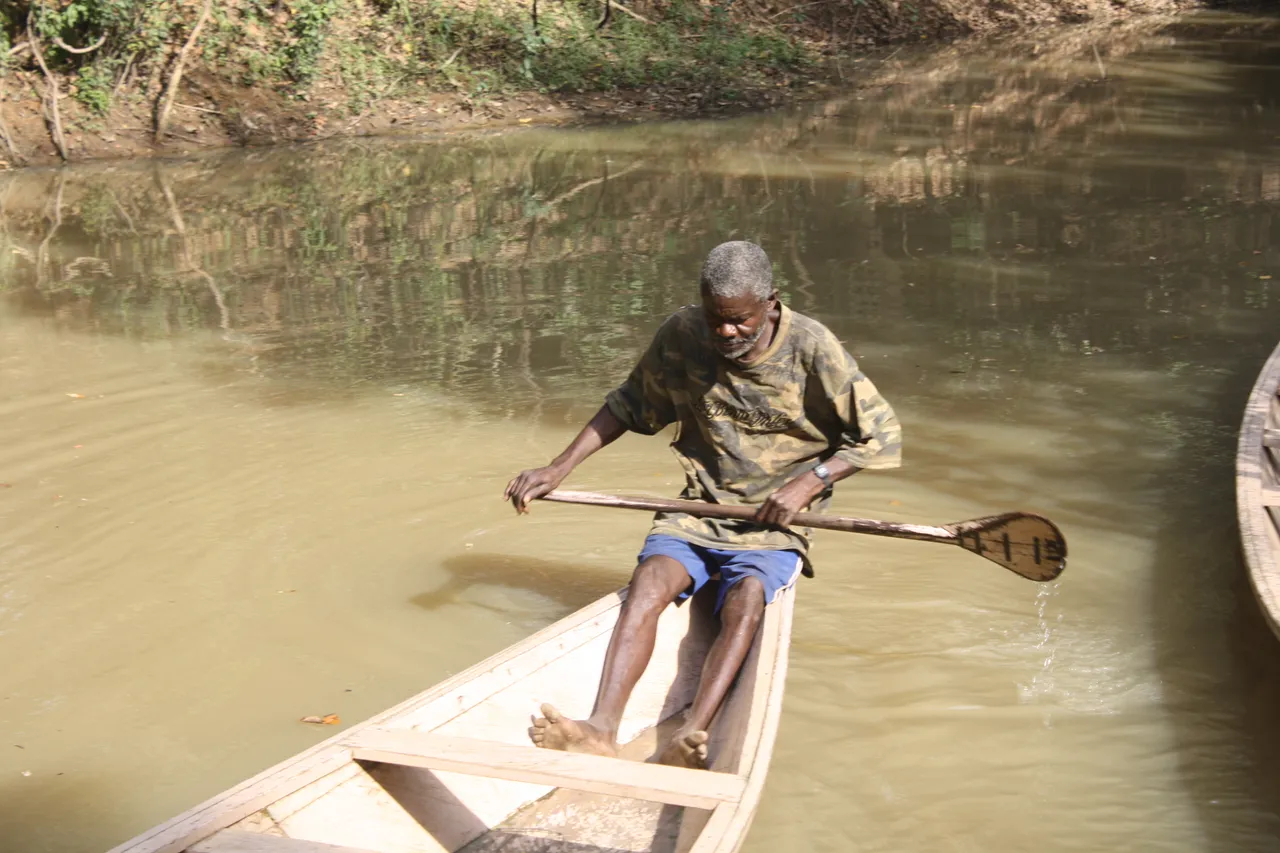
After taking a walk around the village with our guide we also wanted to take a canoe safari. This goes up a river near by into Mole park by canoe. Our guide handed us off to the guy in the boat above called Lion Man. I learned he got this name by being attached by a lion and fighting it off.

Some kids crossing a bridge we went under.

It was the dry season so the water level was quite low, we were mainly going through a ditch.

I did not have the right lenses or equipment for capturing the all the different kinds of birds well we saw. But here is a king fisher in flight.

Another king fisher in a tree.
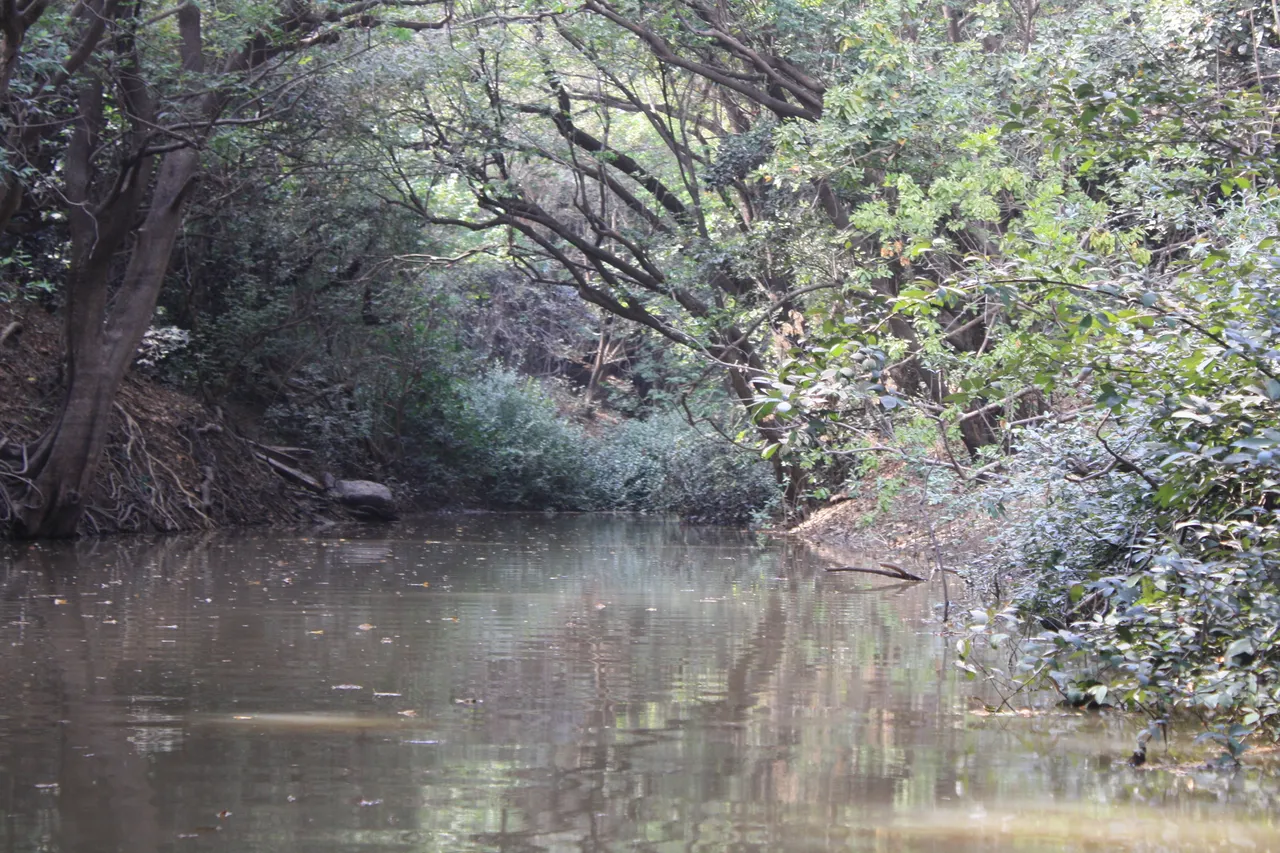

Some more shots of the river. We sadly did not see any elephants coming to water or much other wildlife than a lot of birds.


After the canoe trip we got back to the village just in time for an epic motor cycle race live with crashes and victories put on by the local kids.

Some more cheeky youngsters.

Communal building of a roof.


We then met the family we would be staying with and the kids were all a lot of fun.


That night were were guests of honor at a dancing a drumming ceremony around the fire. This is a primary form of evening entertainment as TVs and other things were not so prevalent in the village at this time.

The night was uneventful and a comfortable as you can imaging sleeping in a home stay in the village. But all was well. The above scene is something that I can remember from my childhood having my dad help me with flat tires on my bike. Life in the village can be hard but is is so much more simple than life in the city and most of our lives. It was a good visit and great to see how people live.
The community uses funds from tourists to build a clinic and they have a little welcome center and importantly for a lot of people a toilet. I think it would be interesting to go again now that it has been 10 years and see how the project has gone and if people are happy with how tourism has impacted their lives.