
This is a recently published fact that captured my attention. According to netralnews.com, Indonesia currently has 461,991 coffee outlets spread across the country. This number far surpasses China (190,000), the USA (145,629), and Vietnam (132,294). As an Indonesian and a coffee lover who enjoys exploring coffee shops, this is certainly a fact that makes me happy, while at the same time giving me mixed feelings about its pros and cons.


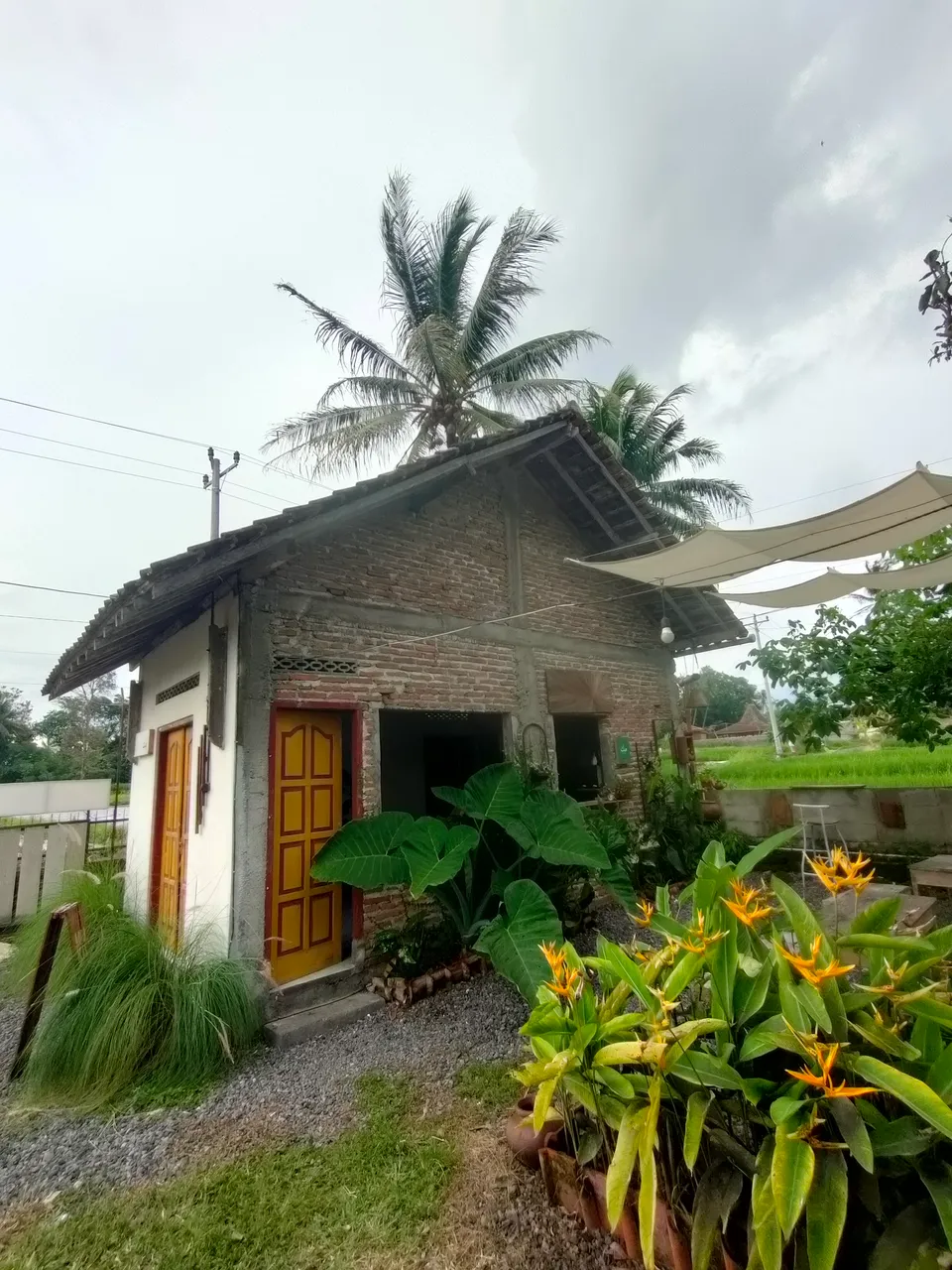
Not only in cities or busy areas, but you can even find coffee shops located in quiet and remote places. Sometimes, you might find yourself wondering how there could be a coffee shop in the middle of nowhere, and the feeling when you discover one is just like finding an oasis in the desert.
Talking about these findings, what actually drives such a huge coffee culture in Indonesia, apart from its large population? Let’s have a small discussion about it. Below are my personal opinions based on some research.
Hanging out in coffee shops has become a trend and part of the culture
Many Indonesians, including myself, love to spend time in coffee shops for various purposes, whether it is simply for hanging out, a morning routine, self-treatment, holding business meetings, or working. This trend has existed for a long time and has shown significant growth. We view coffee shops as a perfect “third place” between home and work.
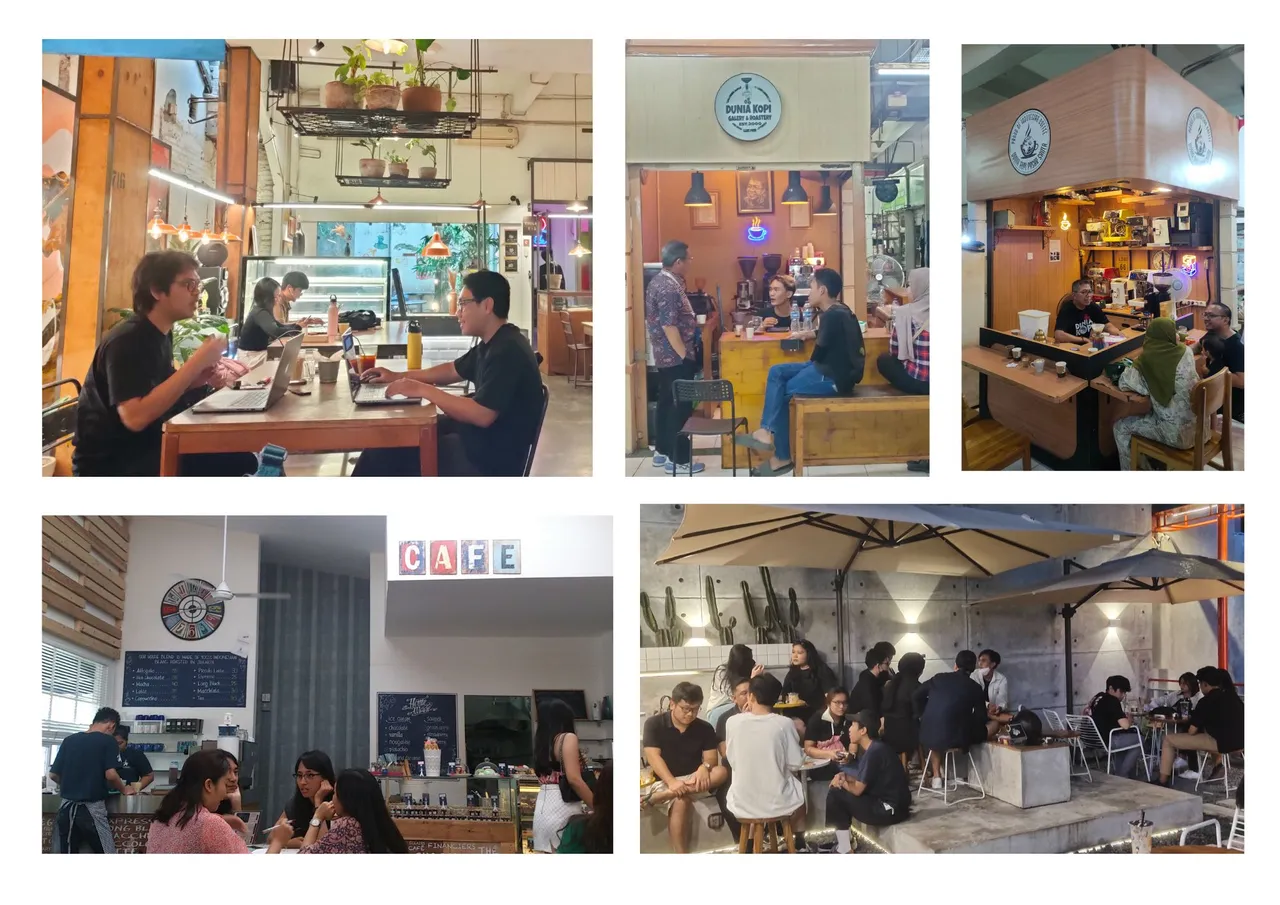
The changing lifestyle habits of Gen Z have also contributed to the significant growth of this trend. According to thejakartapost.com, Gen Z, unlike the older generation of millennials, prefers a healthier and cheaper lifestyle rather than partying at clubs or drinking at bars until late at night, and hanging out in coffee shops has become one of their favorite options. Research from NielsenIQ shows that Gen Z drank 30% less alcohol in 2024. Moreover, the rise in living costs due to the current economic situation also plays an important role. Partying and going to bars is generally quite costly, especially in big cities like Jakarta, and many Gen Z now view it as an unwise option for having fun.
Furthermore, the rising trend of remote working has also contributed to this phenomenon. According to idstar.co.id, in 2025, 60% of companies in Indonesia have implemented hybrid working models, while 25% have opened fully remote positions. In Indonesia, the majority of remote workers tend to work in cafés or coffee shops rather than at home or elsewhere.

With the shifting trends mentioned above, this has certainly become a strong opportunity for many entrepreneurs to try their luck by opening coffee shops.
However, despite the rising popularity of coffee shop hangouts and the country’s large population, coffee consumption rate is considered relatively low. According to visualcapitalist.com, the daily per capita coffee consumption in Indonesia is only 0.27 cups, or less than one cup per day. This is far lower than in many other countries, such as Luxembourg (5.31), the Netherlands (1.79), Australia (1.14), and even its neighboring country, Vietnam (0.42).

But, even the consumption rate is low it is actually increasing dramatically in the last few years. Based on intelligence.coffee, coffee consumption rose from 4.45 million bags in 2020/2021 period to 4.8 million bags in 2025 with unit rate per bag is equivalent of 60 kg.
To conclude, despite the low coffee consumption rate, which might indicate that the coffee shop market in Indonesia is currently saturated, the strong growth of coffee shop culture and coffee consumption shows positive signs that coffee shops could still be a promising opportunity. However, anyone who wants to open one must be prepared to face intense competition. I do hope that more and more people will drink coffee in Indonesia. How about you, have you had your coffee today?😉
