
How to write a post about a museum exhibit that isn't?
It's a big pile of iron, electric and diesel engines, mechanics and electronic equipment.
Or how to pin the location of an object that can change its coordinates (and has been doing that for most of its life)?
How to write about the history of this ship, and not copy the article from Wikipedia?
How to place in one post so many photos of details that were extremely interesting to me, but not for the photography community, because their quality and interest is questionable?
Should I write a travel post or perhaps publish the impressions of the tour, along with a bunch of photos, through a walk on Wednesday?
Perhaps that is the best way, in which I will show you a ship, not unlike the one I cruised in the Mediterranean more than ten years ago.

One warship, which sailed the oceans and participated in the battles of World War 2
Warship Velos


Located in a hotel in the center of Thessaloniki, after a day spent at the beach, I was looking for a place to go sightseeing in the evening.
I entered the complex of the old port and at the end of the long jetty, where the view once stretched out to the open sea, now this metal monstrosity, a real warship, was tied up.
I saw it last year too, but it was anchored on the other side of the harbor and I didn't know if it was a ship open for visitors.
 |  |  |
For just 2€ per person, you can climb aboard this ship and begin your exploration adventure.
Since it was late for the tour, I decided to visit it during the day.
 |  |  |
The ship Velos, previously, when it was part of the US Navy, was named USS Charrete.
A "Fletcher" class destroyer, it was built in Boston in 1942 and joined the Navy in May 1943.
 |  |  |
The destroyer was immediately attached to the fleet and participated in the battles in the Pacific as support for aircraft carriers. In two battles against the Japanese navy, he sank a submarine and another ship, dealing a heavy blow to the Japanese navy.
It was withdrawn for reparation after World War II and in 1959 joined the Greek Navy, where it sailed the seas as an active member until 1991.
 |  |
Today, that destroyer is one of the four remaining and is a witness to the progress and development of technology and weapons in World War II.
After buying my tickets, I went up on the deck.

I didn't know which way to turn, whether to go to the upper decks or below decks.
Whether to look around or take photos.
And now, with so many photos, I have a challenge, how to show them all and in what way to tell my impressions of this ship.
 |  |  |
 |  |  |
 |  |  |
 |  |  |
I know how I will.
In a military, disciplined way, I will divide the post into units, as sailors probably saw them 80 years ago.
For a warship, a destroyer, probably the most important part is the armament that is on it.
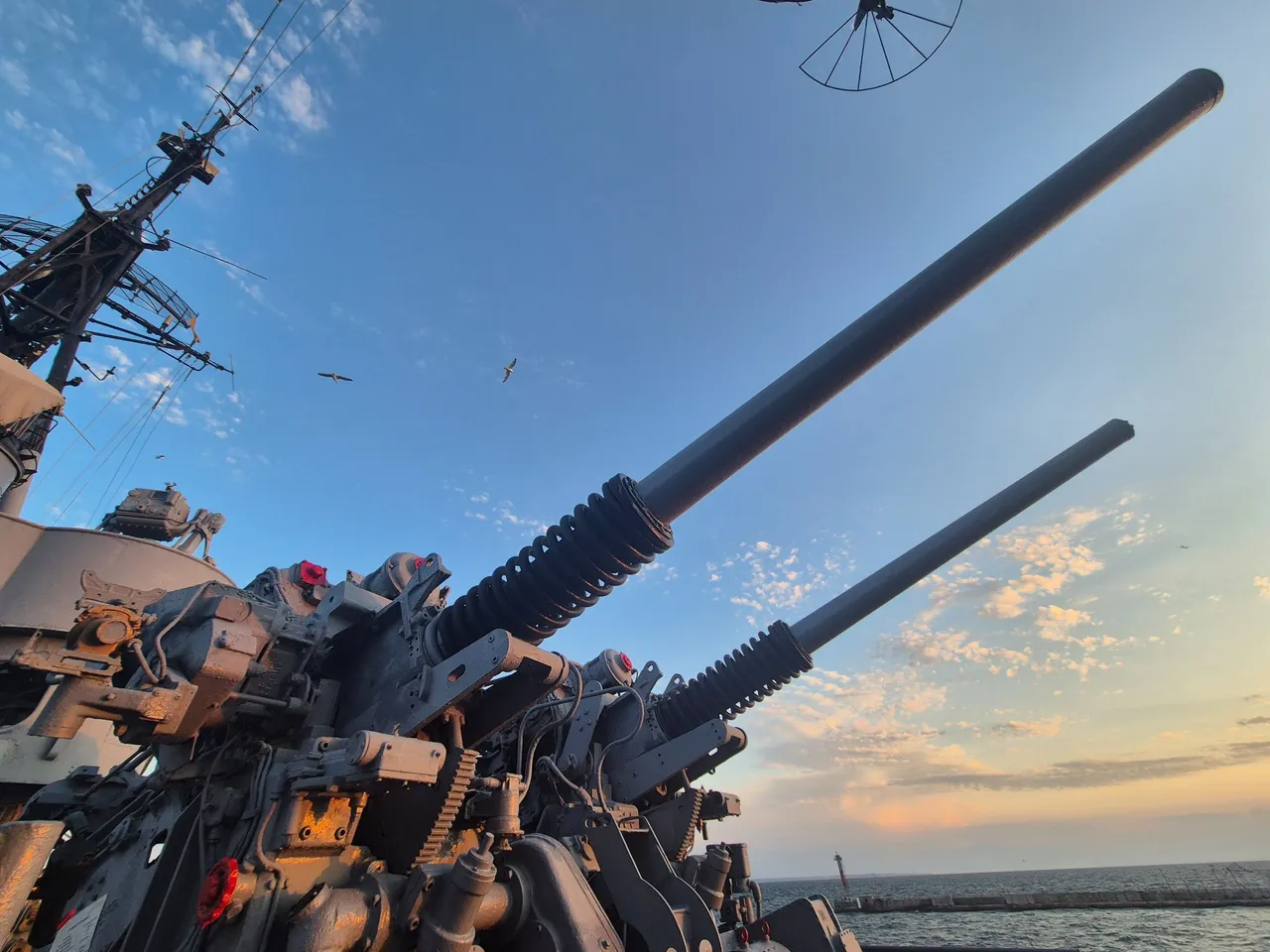
This ship has several types of weapons, for battles against submarines, other ships, but also attack and defense against aircraft.

Four 127mm guns, arranged on the decks, three 72.6mm guns, one set of 5 torpedo tubes, anti-aircraft machine guns, launchers with bombs for attacking submarines, launchers for dropping decoys, as protection against attacks from the depth of the sea or air.


 |  |  |
 |  |  |
 |  |  |
 |  |  |
 | |  |
 |  |  |
 |  |  |
|  |  |
 |  |  |
Impressive armament, which I will try to present with pictures in this post.
The next important part of the ship is what I haven't had the chance to see so far - the Command Bridge.


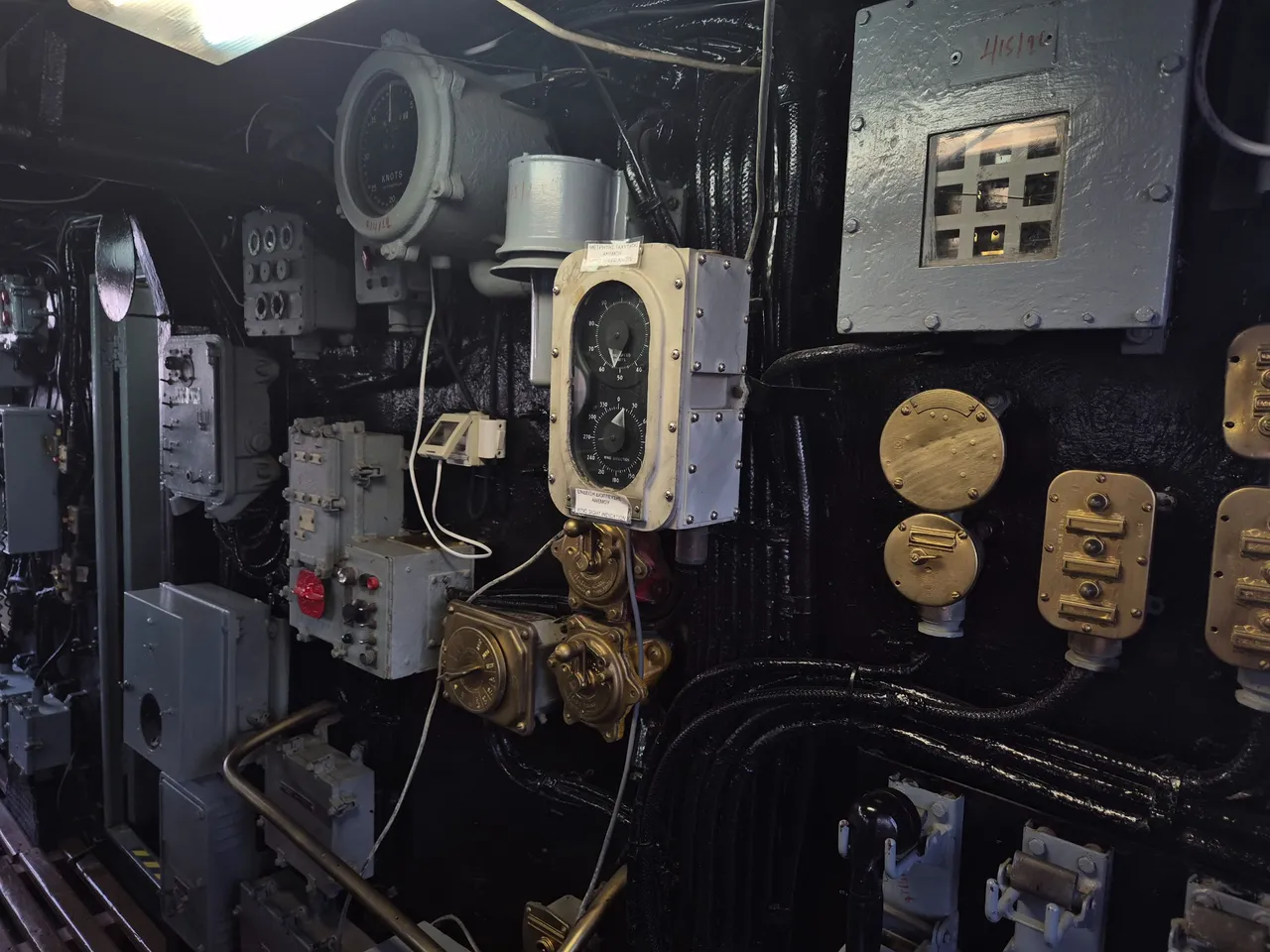
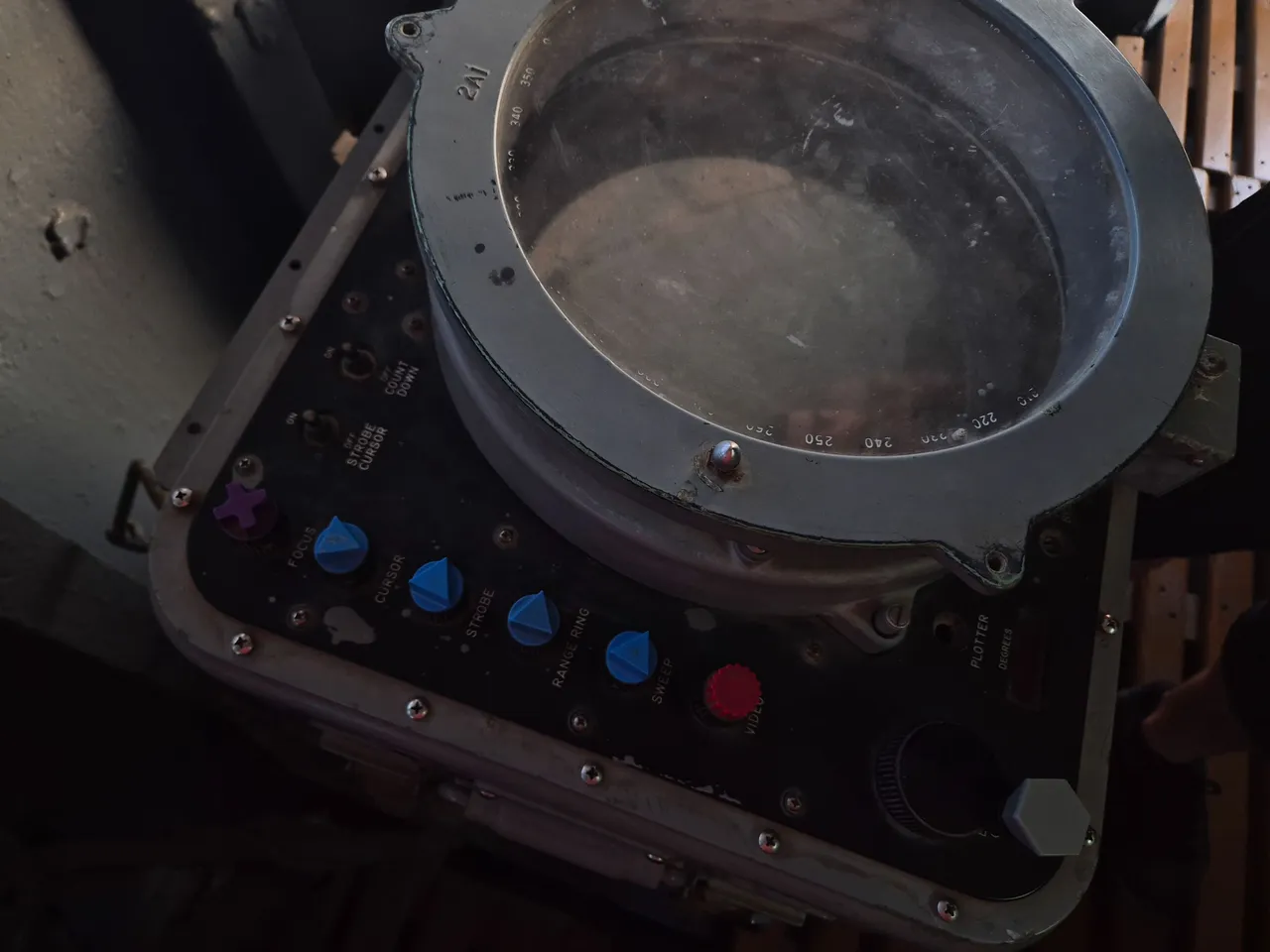
Although this ship is 80 years old, on the command bridge there are various devices for navigation, management, control, compasses, maps, but also devices for communication inside the ship.
 |  |  |
 | |  |

An interesting principle of communication is through these pipes, which transmitted the voice to certain parts of the ship.
And they also communicated by telephone.

 |  |
 |  |

The command bridge continues to the "Eyes of the ship", where the navigators sit high up in armchairs.
 |  |
 |  |
They follow the movement of the ship and visually indicate the captains who were in charge of this ship.


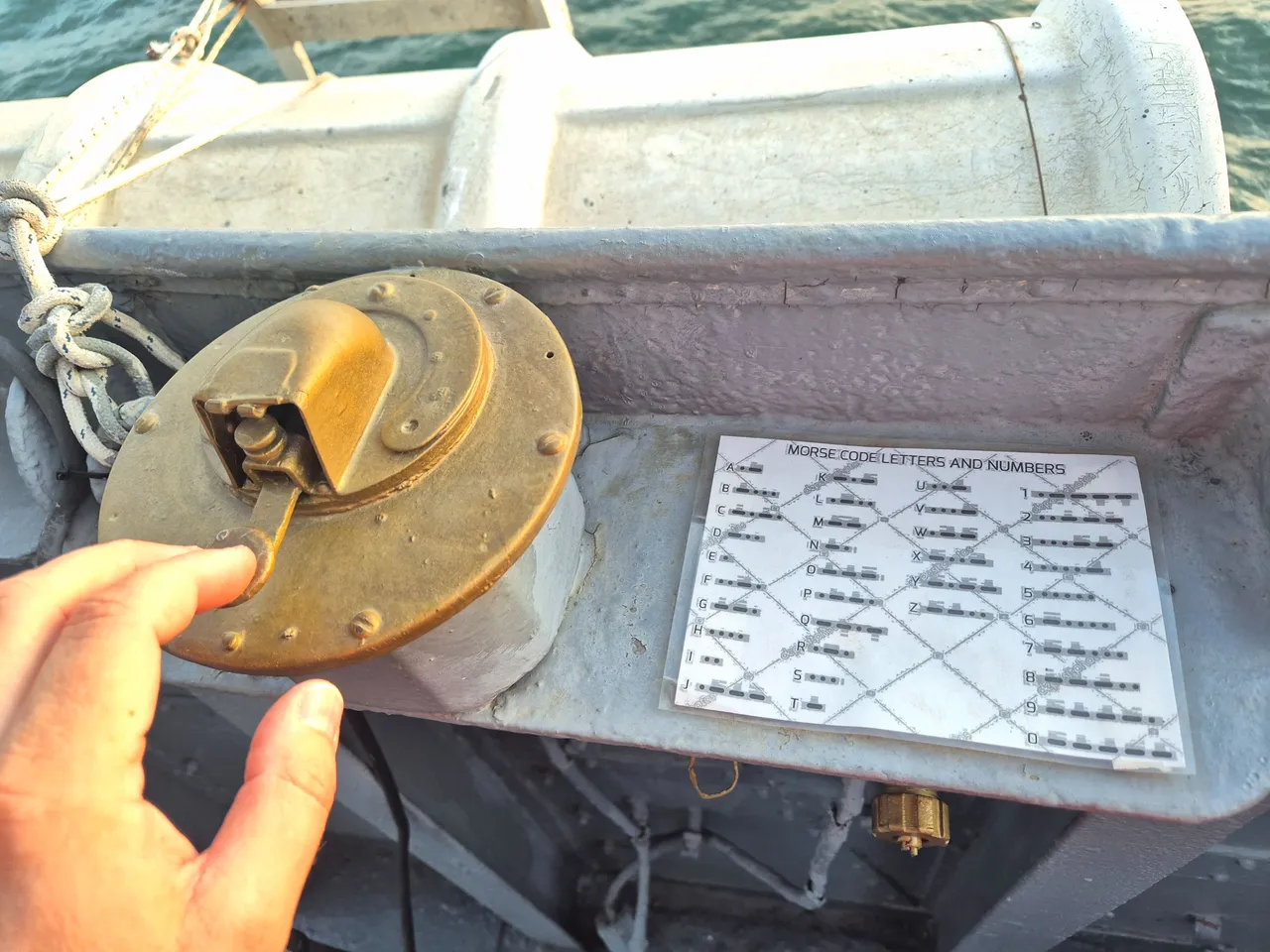
On the right side of the bridge, I saw a light signaling device, and a morse code table, which I remembered only
SOS " . . . _ _ _ . . . "
 |  |  |
That's all I know 🙂
And next to the armament and command bridge of the warship, the next most important are the sailors.
That is, they were important in World War II.
Today, when everything is automated, I believe that the number of crew on ships of this size is much smaller than the 273 that were there when the ship was in service.
Judging by the number of helmets on deck, not everyone had theirs 🙂


And they had only one net that they used to pull out sailors who would fall over the fence into the rough sea.


In addition to the rescue net for one person, there are also lifeboats for a larger number, but again not enough to accommodate 150 people.


I guess the creators of the idea and the designers of the warship thought that in the battle the number of survivors for evacuation from the sinking ship would decrease before the evacuation began?
Harsh but true.
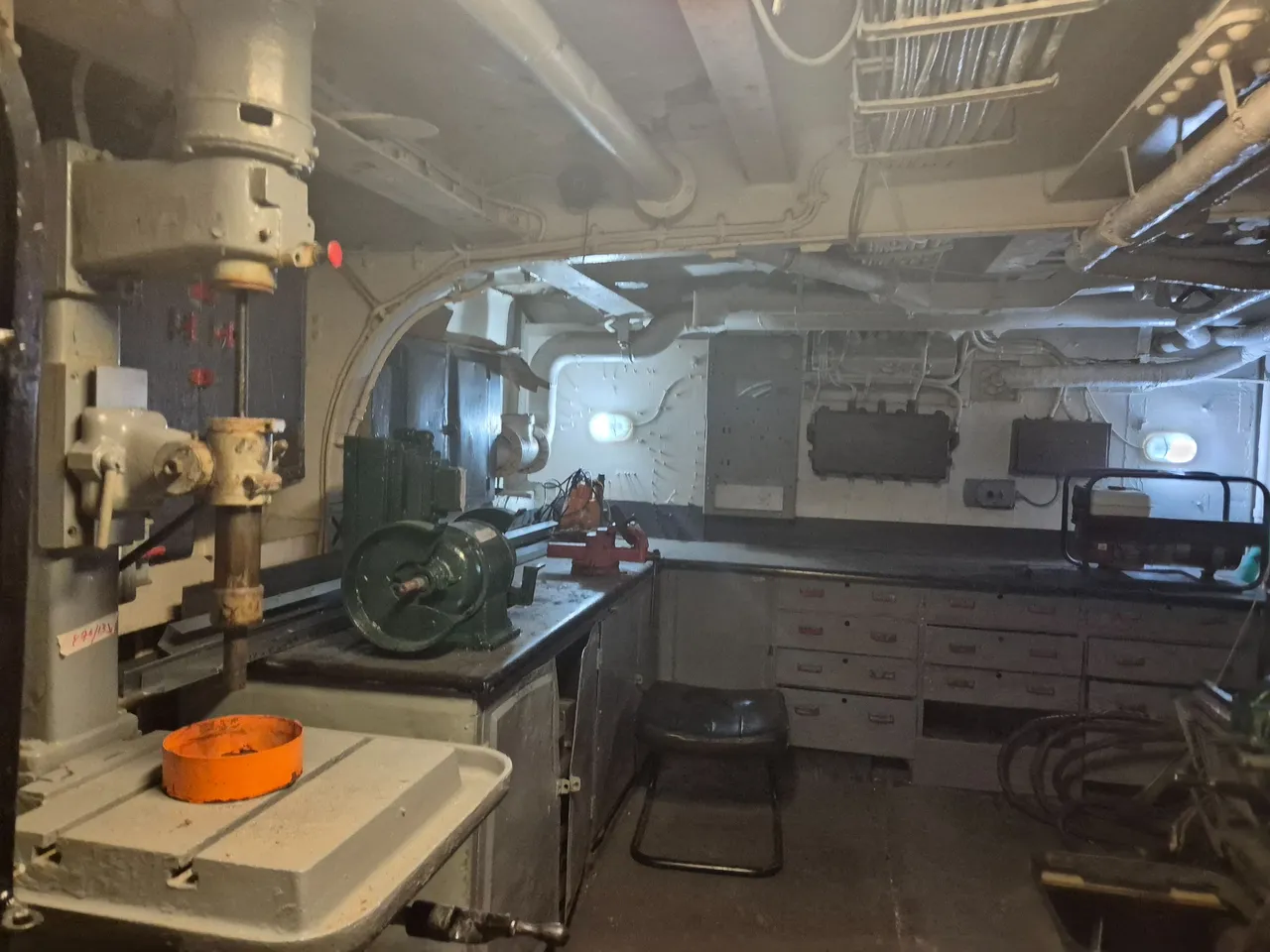
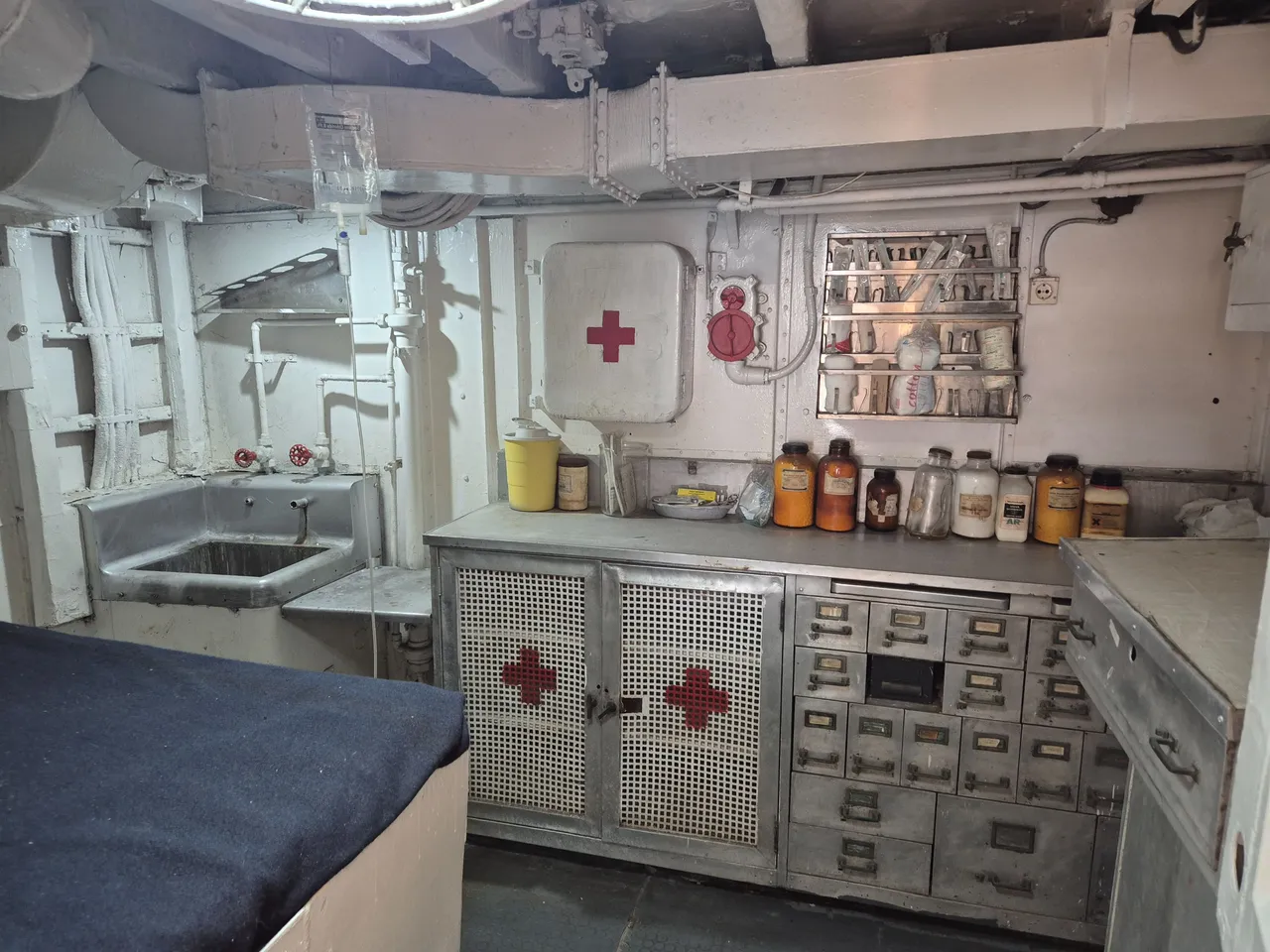
And the question arises, where did so many people stay when they were not on deck, where did they eat, sleep, hang out, where did they receive treatment, where did they prepare food?
Below deck.
 |  |  |  |
 |  |  |  |

 |  |  |
I visited everything that was available and took pictures of every corner of the ship, and I can say that I was most amazed by the space where the crew slept.
 |  |  |
 |  |  |
 |  |  |
Wire beds, arranged as "Bunk bed" so that each member of the crew has the same space, and so little that I could barely fit.


Maybe it's because I gained weight, but since I'm not tall, I wondered how the sailors fit in such a small space.
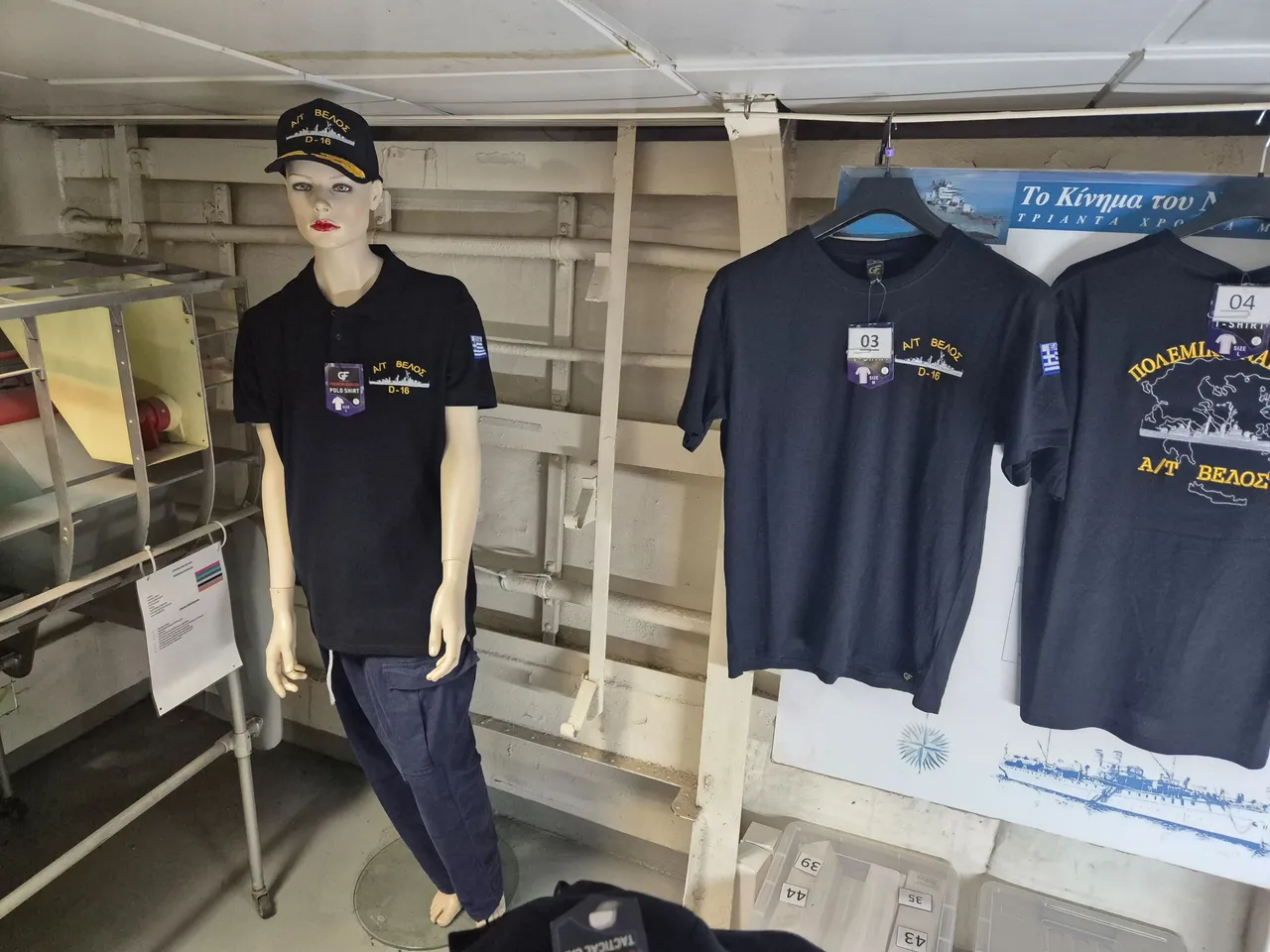
After the dormitories, I visited the kitchen, as well as the part where there is a display of model ships, a small market where you can buy various souvenirs, but also various posters and pictures, related to this ship, as well as to the rest of the Greek Navy.

 |  |  |

 |  |  |
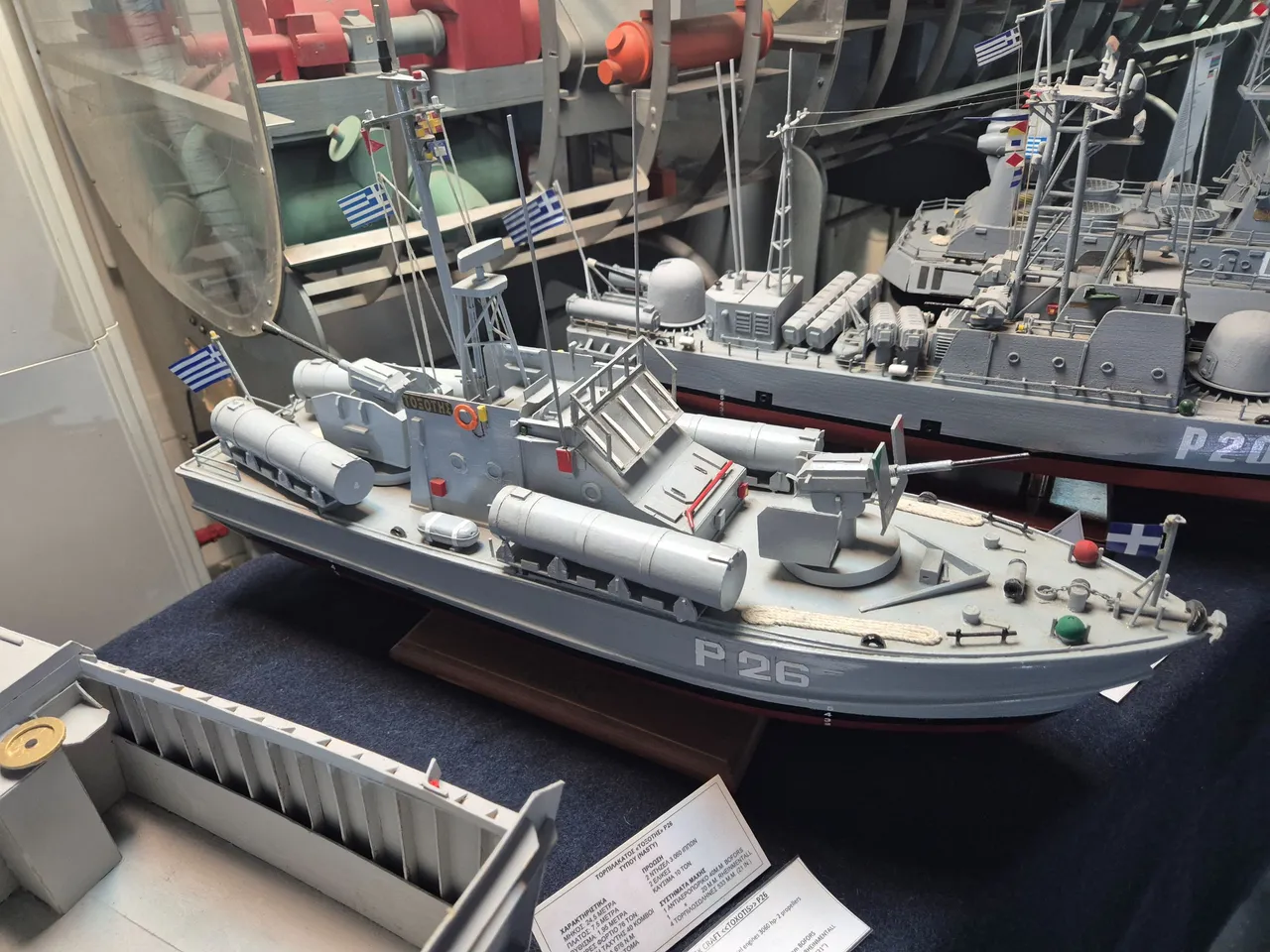 |  |  |
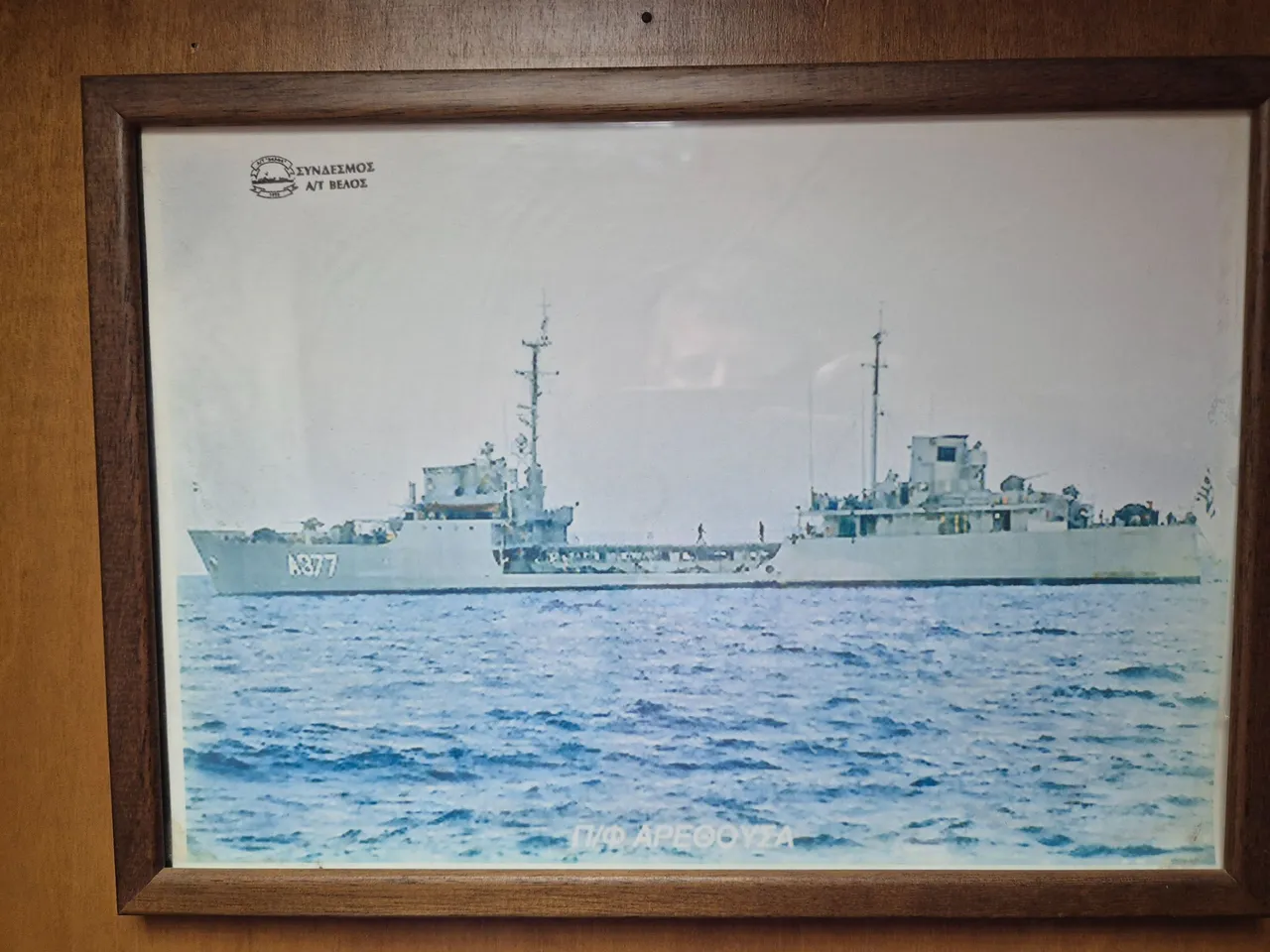


 |  |  |

The story from 1973 about the defection of Greek officers and seeking asylum in Italy is interesting.
I came across a book of impressions and since I don't have #proofofpin stickers, I wrote my Hive name by hand 🙂

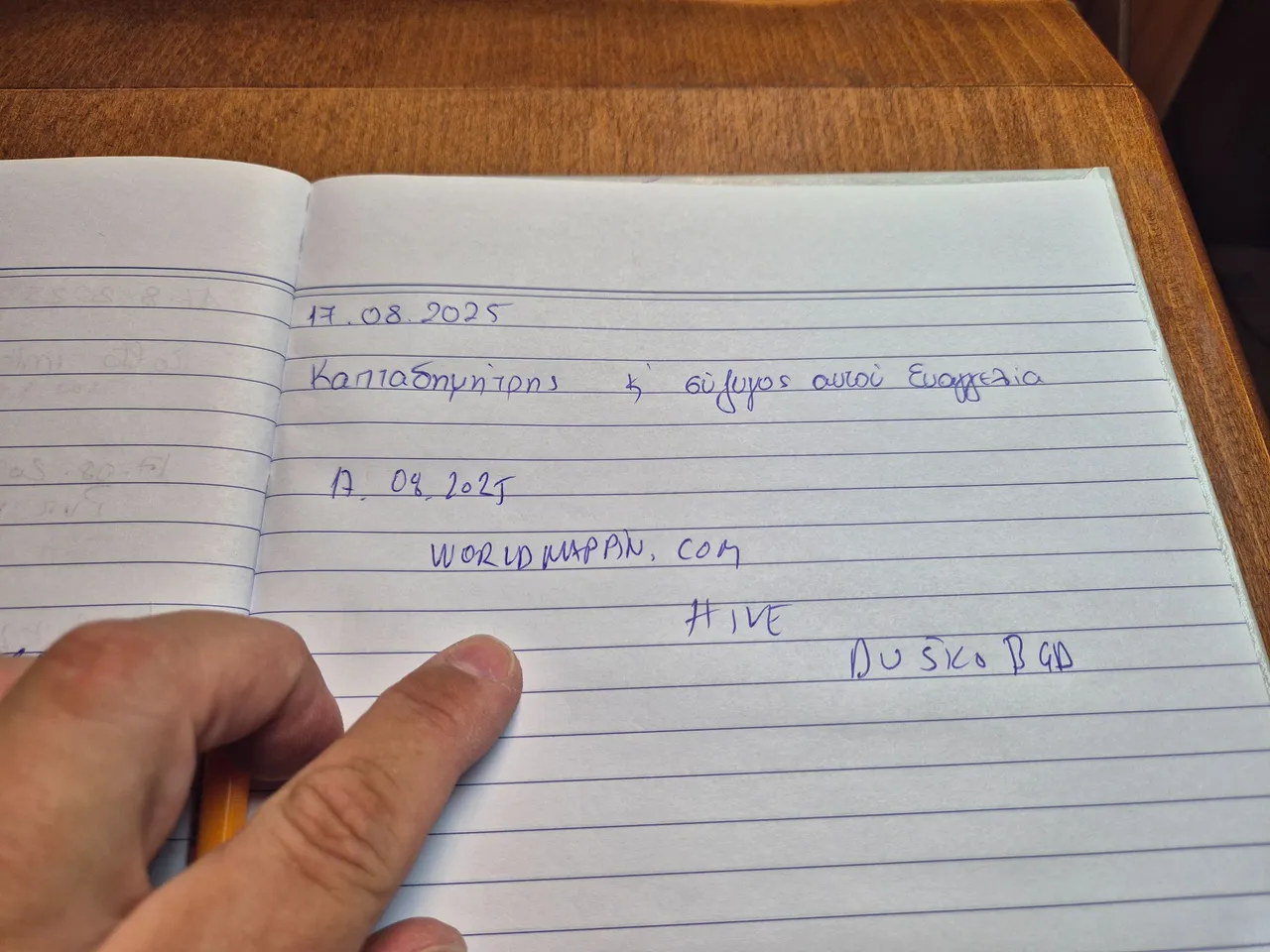
This ship is huge, and I'm lucky that not every corner was available for a tour, because if it was, the whole day would be too enouhgt for me.

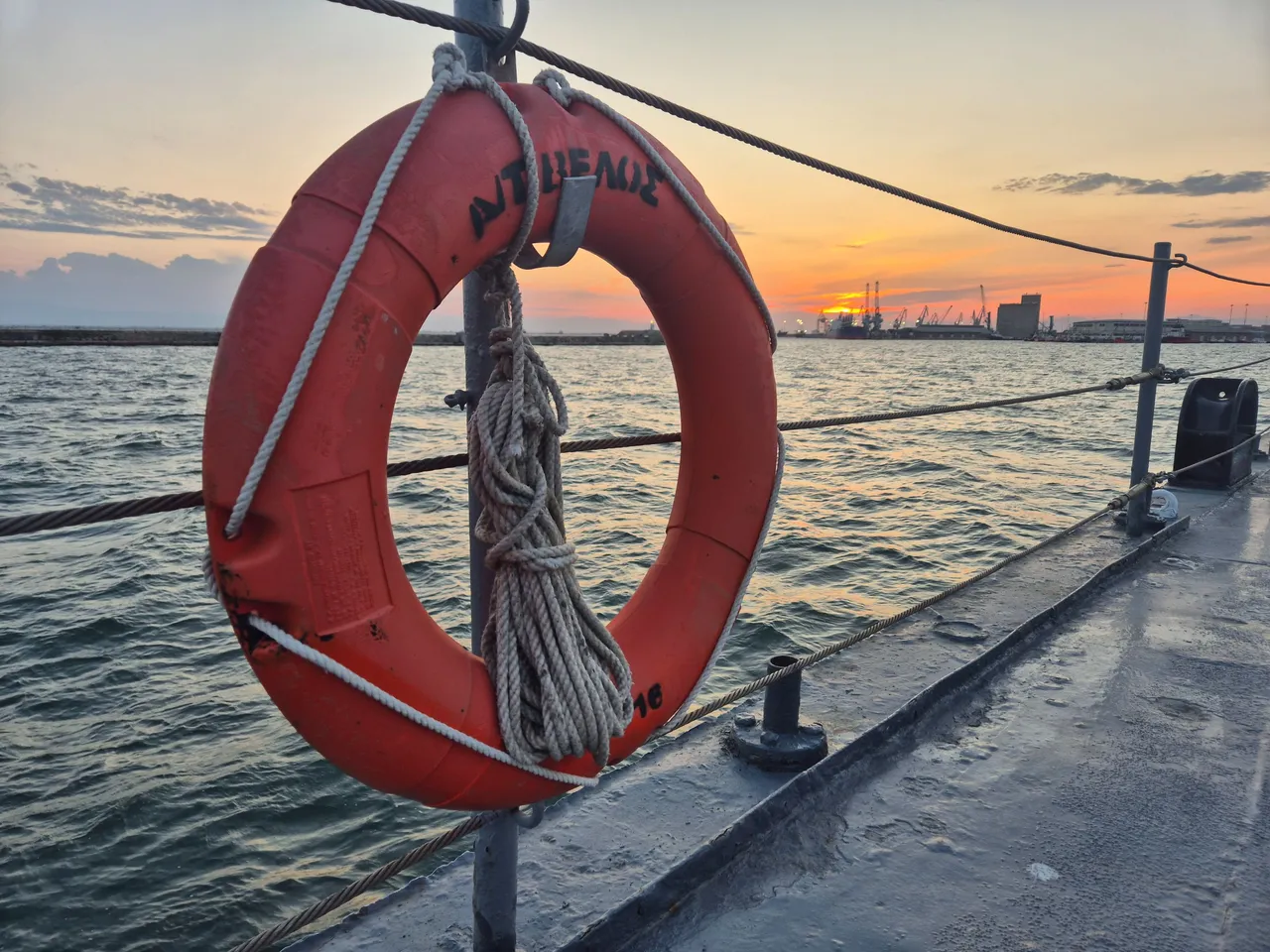

Thus, after a tour of the rooms available (and safe) for a tour, I again went out on deck and watched the sunset in the Gulf of Thessaloniki where this ship found a place to retire, and where I found the perfect activity for this week's #wednesdaywalk.