

The sea...endless, bewitching, shimmering with all shades of azure and blue. Each time I go outside, I can not take my eyes off this truly heavenly place. It attracts the eye, fascinates and excites the imagination. You look at its waves and immediately feel the warmth of the gentle Greek sun, the coolness of the gentle sea breeze and the magical aroma of all kinds of herbs and flowers.

I have such a strange feeling. When we arrived here, I didn't like my new home. Little by little, I fell in love with my home in Greece, Peloponnese. Not only was I alone; the same happened with my husband and our kids, so we decided not to rush to leave this place and postponed our leaving. For how long? I do not know. Maybe for a month, or two weeks, or just a few days... But for now, we are not ready to leave. Especially when there are still places that we still have no time to explore. Today, we decided to take a walk with family at Nemea, to look at its ancient site, and,of course, we want to try its famous wines.

Every corner in Peloponnese is overgrown by history; there are truly legendary places. Like, for example, Nemea - the ancient city in which Hercules performed one of his exploits. Here the mythological hero killed the lion that kept the entire city in fear. Nemea helded competitions in honor of Zeus, and these competitions brought the fame for Nemea. Nemea is also one of those regions where you can try famous local wine.

Away from the crowds of places teeming with tourists, this place is very conducive to walks and meditation. A rarely encountered harmony of history, grandeur, solitude and tranquility. It is always calm here. You can imagine the Nemean Lion and Hercules and plunge into the history of Ancient Greece, away from the tourist crowds.


The Nemean Games attracted atleths from all over the Greece. The local stadium once held 50,000 spectators. Even today, it is the main venue for competitions at the revived Nemean Games. In ancient times, there were going competitions in javelin throwing, pentathlon, boxing, and chariot racing. During the Hellenistic period, competitions in singing, playing the lyre and flute were included in the program. Looking around the stadium now, you can imagine what it was like during the days of the games.

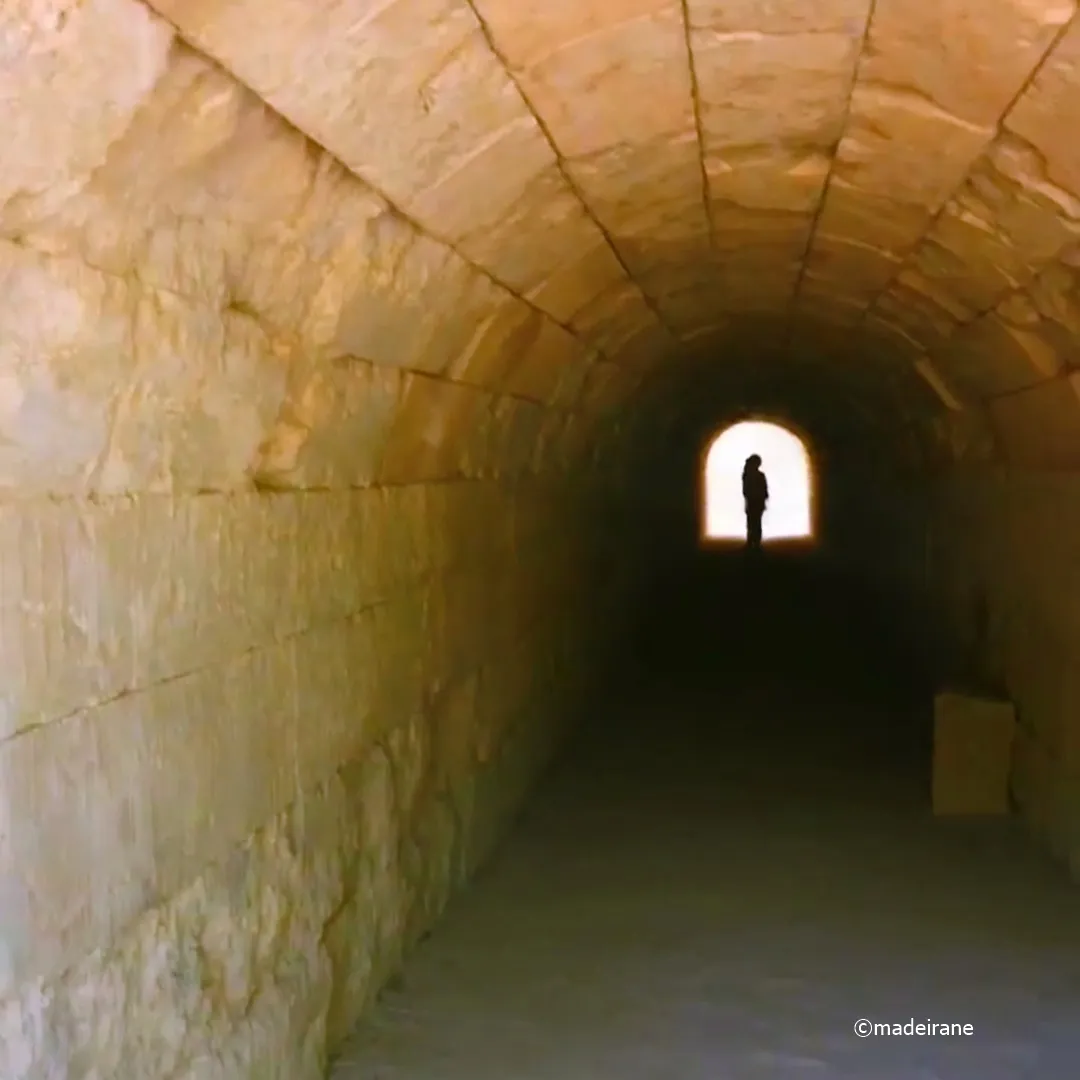
Next to the stadium is the Sanctuary of Zeus - the main temple of Nemea and one of the most impressive in the Peloponnese. During the first excavations, only three columns were discovered. They have never fallen since the construction of the temple. Over time and new discoveries, the temple began to look much more impressive; some columns were returned to their original places using scattered fragments. Systematic excavations at the site of the sanctuary of Zeus have not stopped since 1973. And perhaps soon they will reveal new valuable discoveries to the world.

The Temple of Zeus had an unusually long altar - its length was 41 m. Only the base has survived. In ancient times, this altar was used for sacrifices. A number of rectangular buildings have been discovered near the temple - perhaps they were used as storage for treasures or banquet halls.

On the territory of Nemea, unique Greek baths with an established water supply system have been preserved. Walking through the ruins, you can even see the remains of washbasins. Another find made by archaeologists in Nemea is the grave of Opheltes, the son of Eurydice and Lycurgus. According to a common legend, the boy died as a result of a snake bite. This happened in a cypress grove that still exists in Nemea today. It was in honor of Opheltes that the Nemean Games were founded.

We also visited a museum there.
The Nemea Museum is one of the most valuable museums guarding precious ancient artifacts in Greece. Exhibitions include fragments of the Zeus sanctuary, collection of copper and silver coins, and, of course, sports equipment. The time period is quite broad: the earliest objects date from the Copper Age, the latest from the Byzantine era. In exhibition halls, lighting is installed so that the light falls on the exhibits themselves, and not on the display cases.


Among the most interesting items in the Nemea Museum collection are a female figurine, an early Hellenistic clay vessel, Mycenaean figurines of a bird goddess, gold rings with reliefs and a child figurine found in one of the sanctuaries. The latter, as historians suggest, depicts Ophelt.


Large windows in the museum allow visitors to compare the ruins of Nemea, visible on the other side of the glass, with reconstructed models of the ancient city. We also saw collection of photographs that have been taken during the excavations.

This regon has plenty of distilleries that you can visit and try wines. We went to one of them - Archaea-Nemea. This village has no more than 350 residents, but they warmly welcome visitors to the region. And, of course, you can’t leave Nemea without trying its famous wine - strong, aged, or young, with light fruity notes.

A pleasant surprise for us was the warmth and friendliness of local people there. And we would also like to specifically note the high professional level of the staff at the wineries.
Wine has been produced in Greece for a long time. Archaeological finds prove the existence of commercial wine production as early as about 3 thousand years BC. That is, we are talking about more than five thousand years of history.
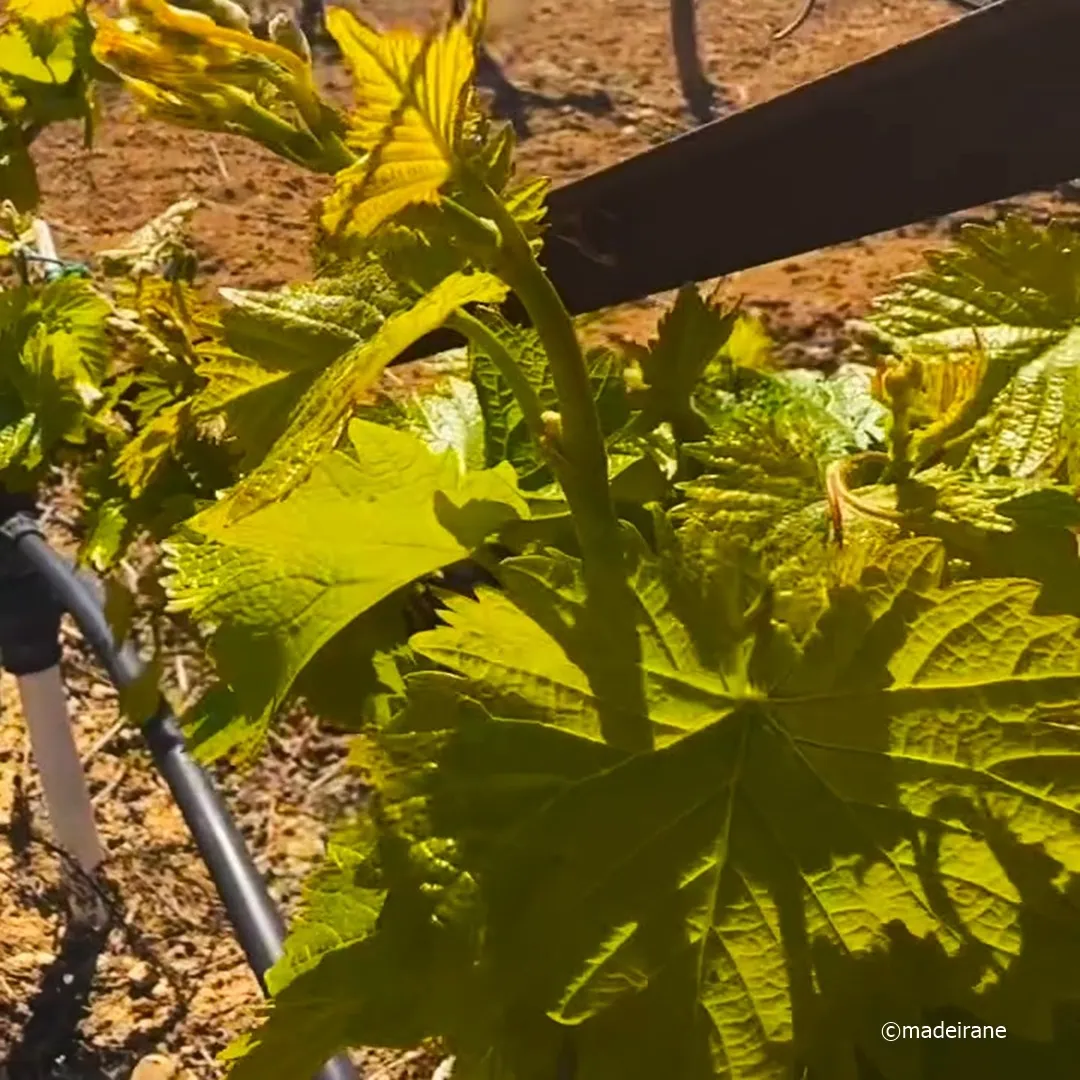
There are usually three wine regions on the Peloponnese Peninsula - Nemea, Mandinia and Patras. In Nemea, wine is called the blood of Hercules. Hinting that Hercules performed his very first feat here, defeating the Nemean lion. They say that the name of the variety literally translates as the wine of St. George.

Ancient Nemea is an amazing place where we can feel the spirit of antiquity. It's a quiet place that allowed us to enjoy the history and ancient atmosphere without having to deal with the tourist crowds. Here we felt the unity of ancient history and nature, enjoyed the peace and authenticity of this place. And now, it's time to go home, as I already missed our house and the sea sounds I hear through open windows.

💝💝💝💝💝💝💝💝💝💝
