
Hi friends!
Wednesday and the beautiful autumn weather are favorable for my walk! Today I took a walk to the prehistoric city of Aquileia! I want to share my impressions with you and recommend viewing the photos I took myself!
Привіт, друзі!
Середа і чудова осіння погода сприятливі для моєї прогулянки! Сьогодні я здійснила прогулянку в доісторичне місто Аквілея! Хочу поділитисяиз вами своїми враженнями і рекомендую переглянути фотографії, які я зробила власноручно!


The city of Aquileia was built 200 years before our era. Then powerful emperors ruled in Italy and there was a huge Roman Empire! The city of Aquileia was built as the capital of this empire.
Місто Аквілея побудоване за 200 років до нашої ери. Тоді в Італії правили могутні імператори і існувала величезна Римська імперія! Місто Аквілея побудоване як столиця цієї імперії.
Статуя імператора Августа

Статуя імператора Клаудіо

Гай Цезар

Луцій Цезар

The remains of artifacts that have been unearthed by archaeologists over the course of two centuries remind us of the power and beauty. Excavations continue in the present time and reveal to our eyes layer after layer the ancient foundations of houses, temples, roads, etc. The city of Aquileia was declared a World Heritage Site (UNESCO) in 1998.
Про могутність і красу нагадують залишки артефактів, які розкопали археологи на протязі двох століть. Розкопки продовжуються і в теперішній час і відкривають для наших очей пласт за пластом древні древні фундаменти будинків, храмів, дороги та інше. Місто Аквілея оголошене об’єктом Всесвітньої спадщини (ЮНЕСКО) у 1998 році.


In 1882, a museum was created in Aquileia on the initiative of the Austro-Hungarian authorities, where all the artifacts found during the excavations were placed. The museum was located in the premises of the Kassis Pharaoh's villa and occupies three floors. Also, the huge courtyard and garden of the villa is available for those who want to see everything that will tell about the thousand-year history of Aquileia, from the time that preceded its foundation to the events that made it widely known during the Roman Empire.
В 1882 році в Аквілеї за ініціативою австро - угорських властей був створений музей, де були поміщені всі, знайдені під час розкопок артефакти. Музей був розташований в приміщенні вілли Кассіс Фараона і займає три поверхи. Також величезне подвір та сад вілли є доступним для бажаючих побачити все, що розповість про тисячолітню історію Аквілеї, від часу, що передував її заснуванню, до подій, які зробили її широко відомою за часів Римської імперії.


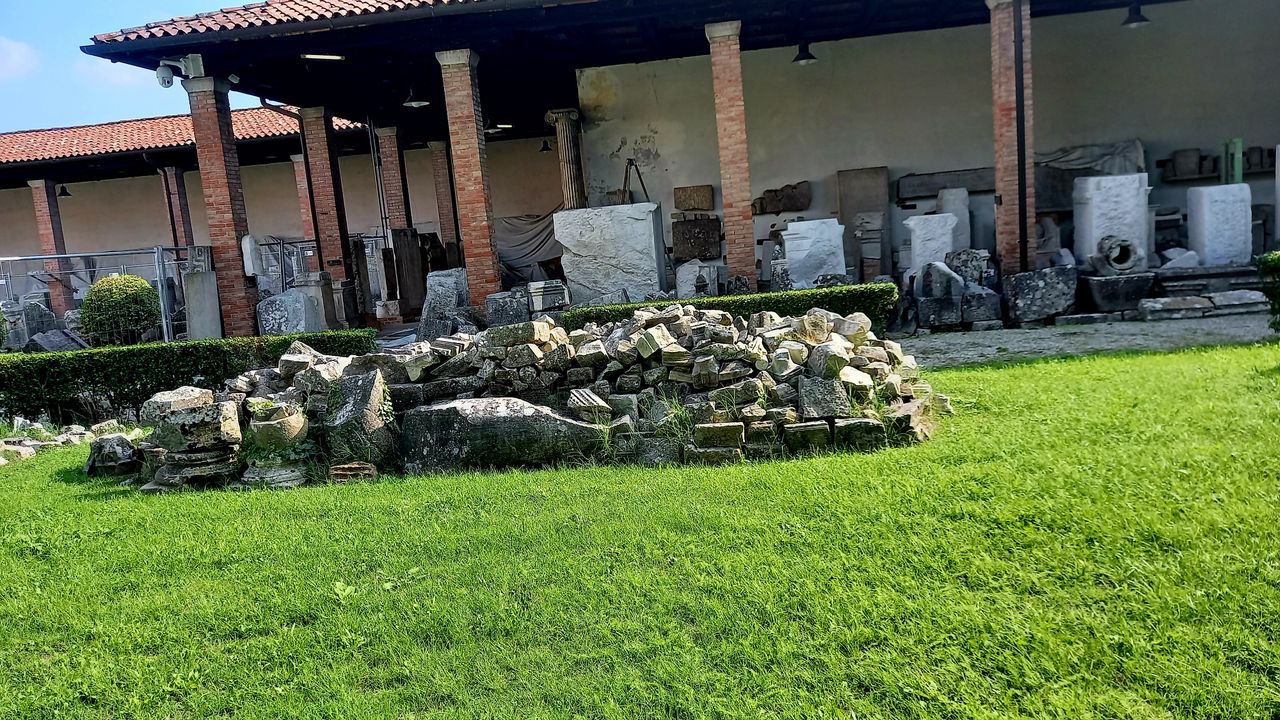


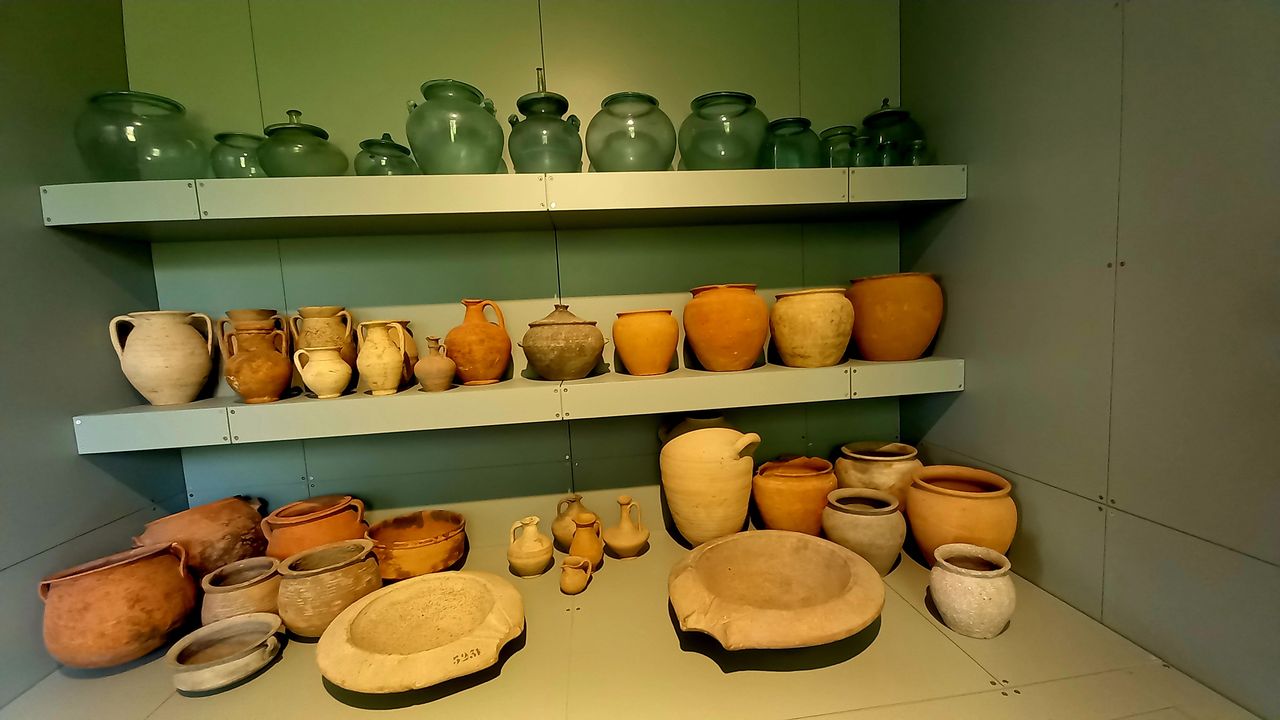
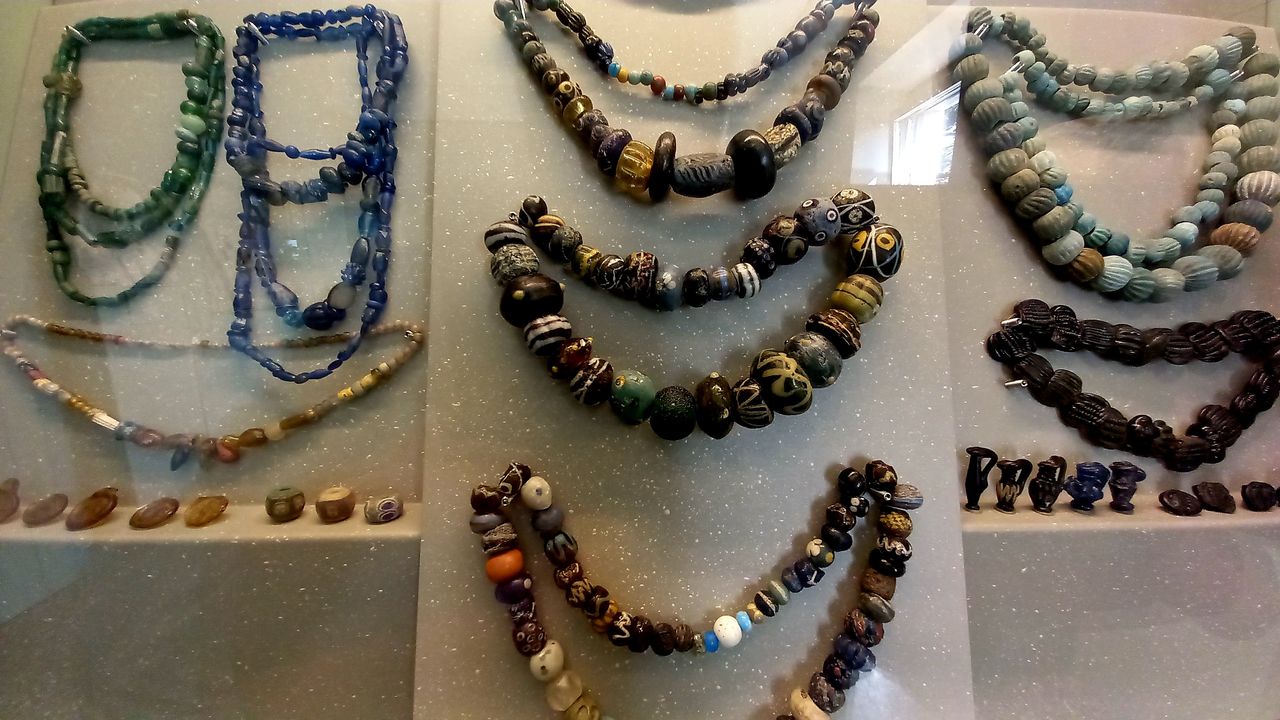
On the three floors of the museum, I saw many marble statues, busts, bas-reliefs of both famous people and pictures from the lives of the residents of that time. There is also a large collection of coins on the second floor; jewelry made of amber, silver and gold; dishes made of clay, glass and bronze.
На трьох поверхах музею я побачила безліч мармурових статуй, бюстів, барельєфів як відомих людей так і картини з життя тогочасних жителів. Також на другому поверсі є велика колекція монет; прикрас з бурштину, срібла і золота; посуду з глини, скла та бронзи.






In ancient times, the dead were cremated and the remains were placed in marble and stone urns. Along with the remains, household items and jewelry were found in the graves. Coffins were made of marble or stone. Their size is impressive. Entire pyramids are made of urns in the garden. I saw this for the first time.
В древні часи померлих спалювали і останки поміщали у урни з мармуру та каменю. Разом з останками в могилах були знайдені предмети побуту та прикраси. Гроби виготовляли з мармуру або каменю. Величина їх вражаюча. З урн в саду складені цілі піраміди. Таке я побачила вперше.


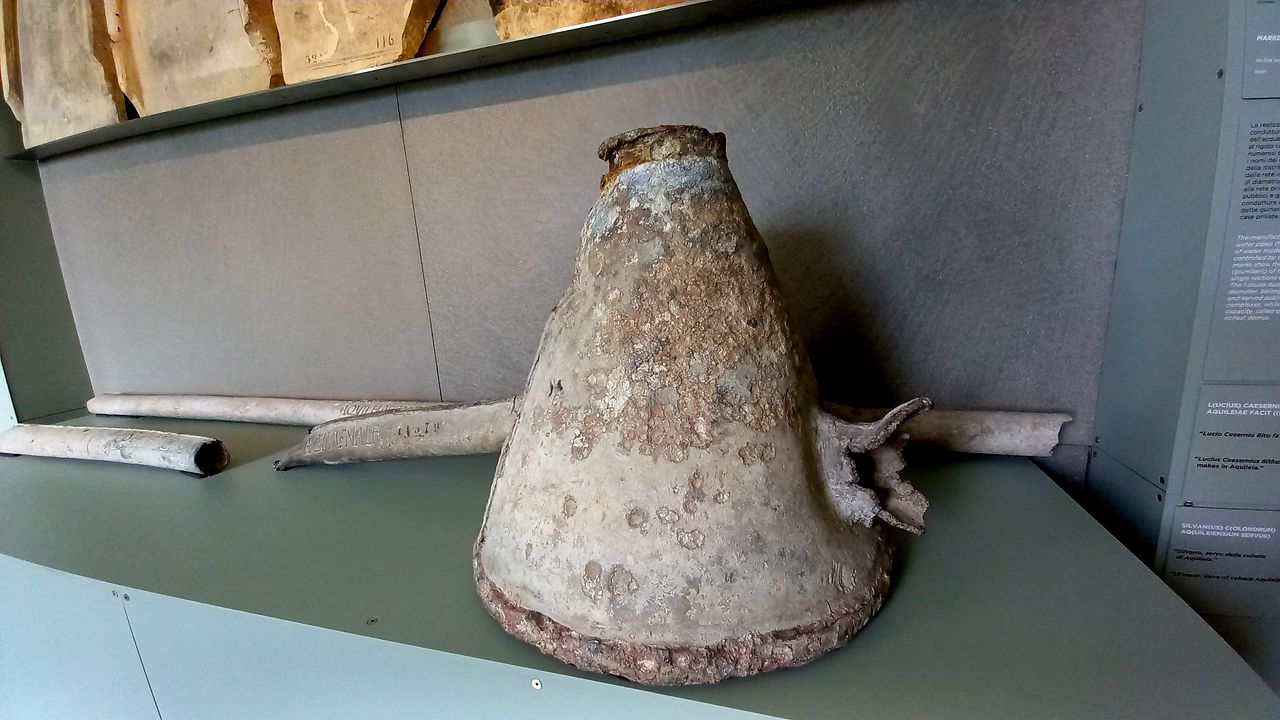
In the museum, I learned that there was a water pipe in Aquileia even in prehistoric times.
В музеї я дізналася, що ще в доісторичні часи в Аквілеї існував водопровід.


Tourists go to Aquileia to see the wonderful mosaic paintings. I was impressed with the performance. Small colored stones were selected in such a way that they conveyed not only all shades, but also the mood of the images. These were ornaments, as well as images of people and animals.
До Аквілеї їдуть туристи щоб побачити чудові мозаїчні картини. Я була вражена виконанням. Дрібні кольорові камінці були підібрані так, що передавали не тільки всі відтінки, а й настрій образів. Це були орнаменти, а також образи людей та тварин.


The Romans were very fond of making and installing columns. These were symbols of greatness, indomitability and strength! There are many different columns on the territory of the museum. Excellent workmanship and durable material preserved their beauty for us.
Римляни дуже любили виготовляти та встановлювати колони. Це були символи величі, незламності та сили! На території музею безліч різноманітних колон. Чудове виконання і міцний матеріал зберегли для нас їх красу.


Aquileia was a very important city for Rome. After all, it is located at the intersection of trade routes. This is a window into the Europe of that time. Eastern and Western cultures and religions are intertwined here.
I am happy that I could make this journey and see all the beauty with my own eyes and be transported to the era of pre-Christian Aquileia and feel the tramp of hooves on the cobbled road; imagine how senators make speeches at the Forum;
Thanks for reading!
See you Wednesday at the Hive!
Аквілея була дуже важливим містом для Риму. Адже вона розташована на перетині торгових шляхів. Це вікно в Європу того часу. Тут переплелися східні та західні культури, релігії.
Я щаслива, що могла здійснити цю мандрівку і побачити всю красу своїми очима та перенестися в епоху дохристиянського Аквілеї і відчути тупіт копит по брукованій дорозі; уявити як на Форумі виголошують промови сенатори;
Дякую за прочитання!
До зустрічі в середу на Hive!