
Hi guys. how are you today? This is my first time writing in this community. I am really happy that I have the opportunity to write here. At this point, I want to introduce to you something that happened in my last week.
In the last few weeks, I have had many tests at my school so I am very stressed and unhappy. And I made a trip to the city center I went to the main street of Hue city when I saw the announcement that there was an exhibition of dolls and Japanese culture and the entrance ticket was free. I want to share interesting things about this tour with you.
I went to the main street of Hue city when I saw the announcement that there was an exhibition of dolls and Japanese culture and the entrance ticket was free. I want to share interesting things about this tour with you.
Some things about this exhibition:
1. Name of the exhibition:
this traveling exhibition is called " NINGYO" which means"human shape".
2. Aim of this traveling exhibition:
These traveling exhibition programs are organized with artworks from the foundation's own collection with the aim of connecting Japan and other countries, will bring people together, and generating dialogue around creativity through the sharing of rich artistic experiences.
3. What is the exhibition about?
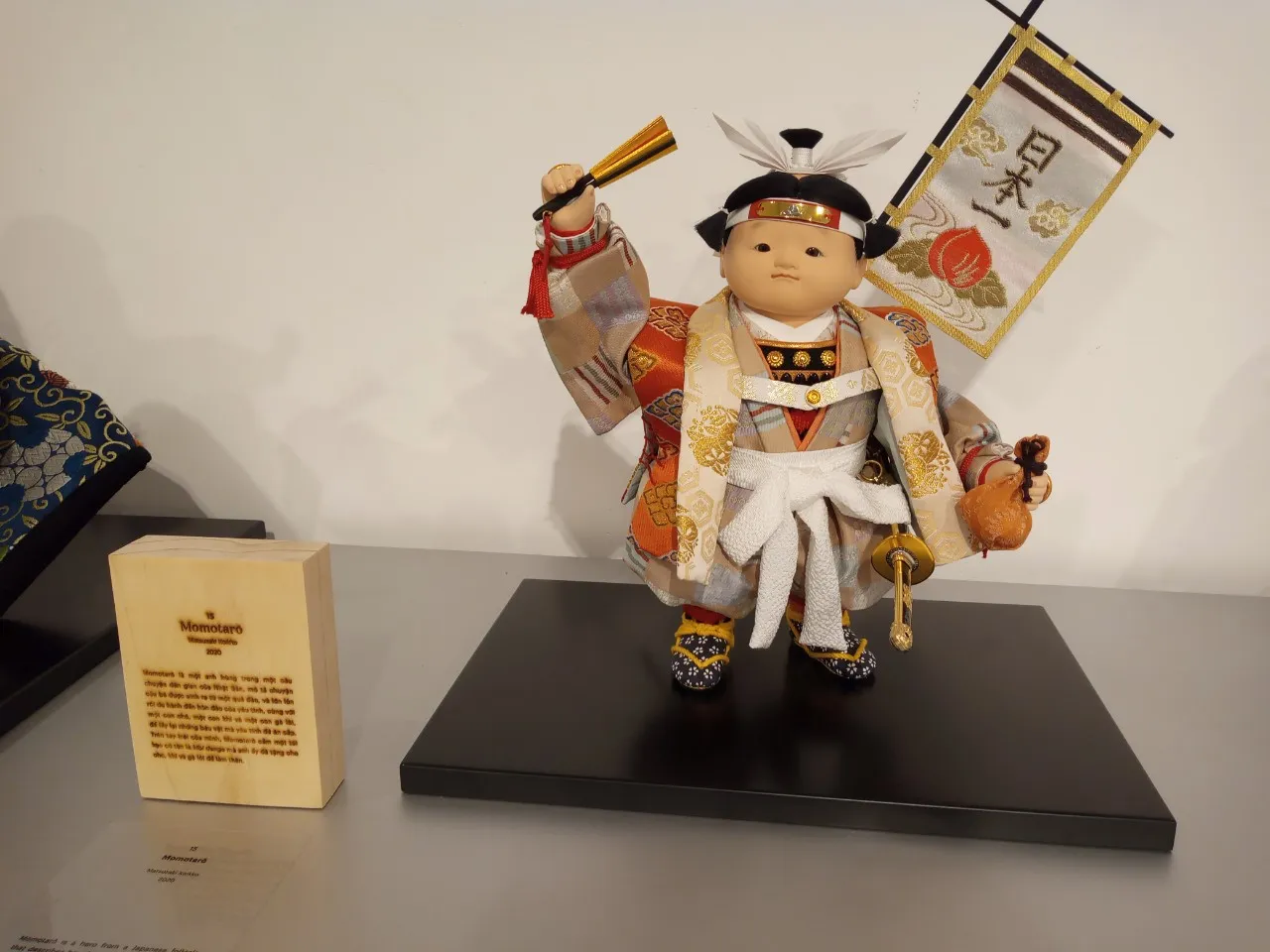
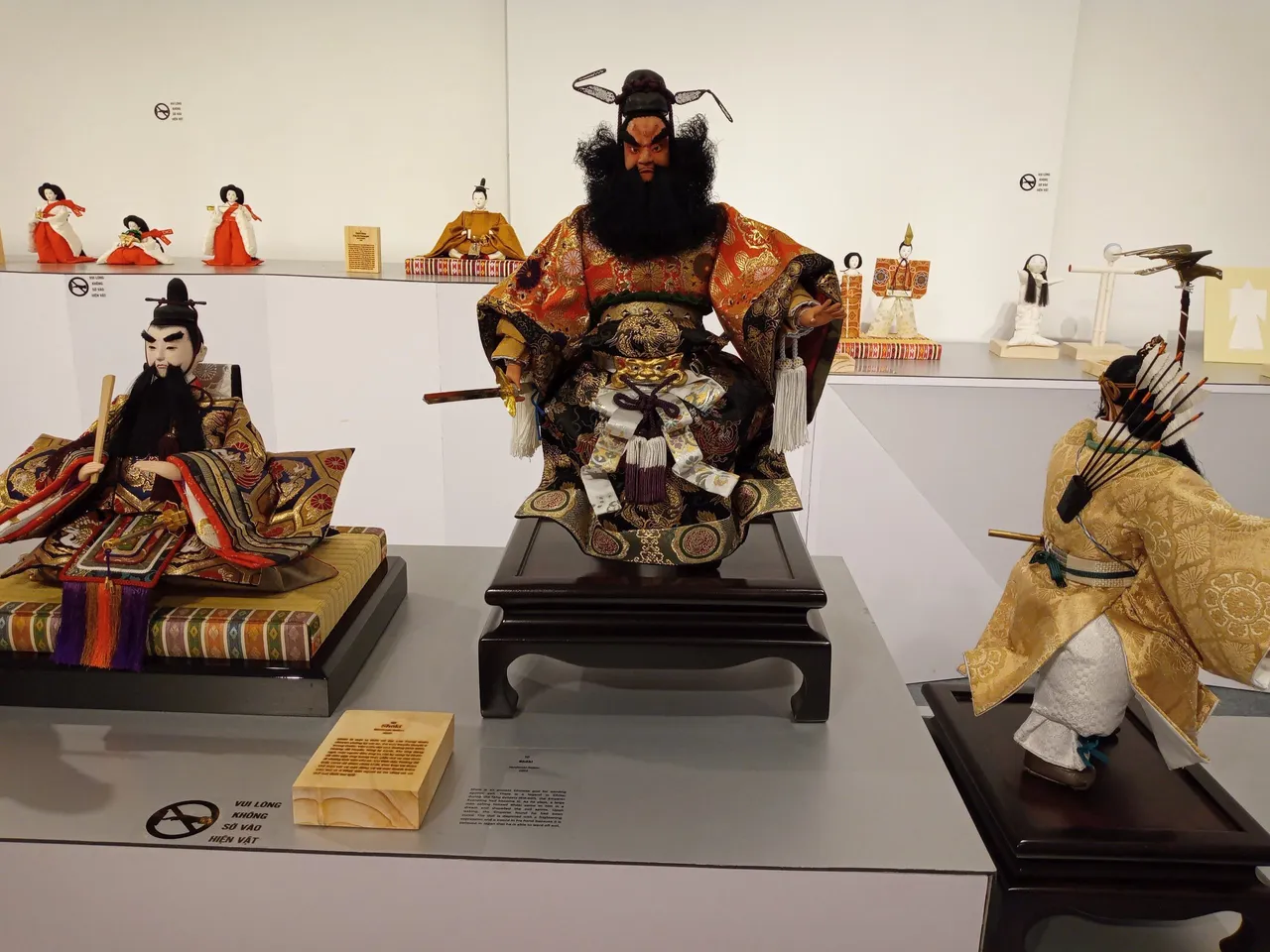
The traveling exhibition " NINGYO" exhibits the art and beauty of Japanese dolls. The dolls were prepared as a successor to our highly popular traveling exhibition.


Here introduced a total of 67 carefully selected dolls, divided into 4 sections: NINGYO to prayer for children's growth, NINGYO as folk art, and the spread of NINGYO culture.
The fact that dolls are an indispensable part of our daily lives is not limited to Japan but the diversity of dolls and their delicate craftsmanship, backed by the deep love of dolls could be said to be the characteristic of Japanese dolls culture.
Some kinds of dolls are in this exhibition.
Katashiro
Since ancient times in Japan, Katashiro was made by cutting paper into simple human shapes. It could be the origins of dolls in Japan.

Dairi-bina ( imperial couple)


Sannin-Kanjo- Three female servants


Gonin-Bayashi


They represent musicians performing the accompaniment for the traditional Japanese Noh theater.
Kabuki Renjishi






Enthusiastic volunteers
Large space


Traveling is always interesting for me, today I have learned a few more interesting things about Japanese culture and especially the role of dolls in Japanese culture. The dolls are not only an artistic symbol for the people here, but it is also a place to gain their faith in peace and joy. I really like the culture of this country called the land of the rising sun, I really want to go there once.