

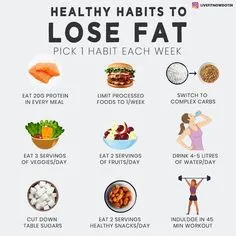
In recent years, there has been a growing interest in health and fitness as people have become more aware of the importance of taking care of their bodies and minds. The rise of wellness culture has brought to light the benefits of diet, exercise, and mental health, which are all interrelated and essential for our overall wellbeing.
First and foremost, diet plays a crucial role in maintaining good health. A balanced diet rich in fruits, vegetables, whole grains, and lean proteins provides our bodies with the necessary nutrients to function properly. Eating a healthy diet has numerous benefits, such as reducing the risk of chronic diseases such as heart disease, diabetes, and certain types of cancer.
In addition, a healthy diet can also improve our mental health. Studies have shown that a diet rich in fruits and vegetables, as well as omega-3 fatty acids found in fish, can improve mood and reduce the risk of depression. On the other hand, a diet high in processed and fast food has been linked to poor mental health outcomes such as anxiety and depression.
Exercise is another critical component of a healthy lifestyle. Regular physical activity can reduce the risk of chronic diseases, including heart disease, stroke, and diabetes, as well as improve bone and muscle strength. Exercise can also help manage weight and reduce the risk of obesity, which is a major risk factor for numerous health problems.
Physical activity has also been linked to mental health benefits, such as reducing symptoms of anxiety and depression. Exercise can improve self-esteem and confidence, and provide a sense of accomplishment and control over one's body. Exercise also promotes the release of endorphins, which are natural mood-boosters that can help alleviate stress and anxiety.
However, it's not just about the physical benefits of exercise. Exercise can also be a social activity, providing opportunities for people to connect and engage with others. Joining a fitness class or team sports can provide a sense of community and belonging, which can be particularly beneficial for people struggling with social isolation or loneliness.
Finally, mental health is another critical aspect of overall wellbeing. Mental health encompasses our emotional, psychological, and social well-being and affects how we think, feel, and act. Mental health problems can have a significant impact on daily life, affecting relationships, work, and overall quality of life.
Taking care of our mental health is just as important as taking care of our physical health. This can involve seeking professional help, practicing self-care, and engaging in activities that promote relaxation and stress reduction. Examples of self-care practices include meditation, journaling, and spending time in nature.
The benefits of mental health are numerous. Good mental health allows us to cope with the challenges of daily life, and experience positive emotions such as happiness, contentment, and gratitude. Good mental health also helps us build strong relationships and feel a sense of connection and belonging in our communities.
In conclusion, the rise of wellness culture has brought to light the importance of diet, exercise, and mental health for our overall wellbeing. A healthy diet provides our bodies with the necessary nutrients to function correctly and has numerous physical and mental health benefits. Exercise is crucial for maintaining good physical health and also has mental health benefits such as reducing symptoms of anxiety and depression. Finally, mental health is essential for overall wellbeing, and taking care of our mental health is just as important as taking care of our physical health. By prioritizing diet, exercise, and mental health, we can live healthier and happier lives.