

Hello friends. I continue to share memories from our trip to Brazil with you. I shared my impressions of Santos Dumont in my previous post. I want to talk about our visit to the Arts and Crafts Museum in Belo Horizonte today. The museum houses a rich collection of local handicrafts.

The museum is located within this impressive building. As soon as I saw the museum I felt a sense of curiosity. This place used to be a railway station, according to the information we gathered at the entrance. It was later restored and transformed into a museum.


Our museum tour began with exploring the exquisite pieces displayed on the second floor. The first things we encountered were this mechanical clock and transportation carts used at the railway station. We examined the details of the mechanical clock with admiration. The intricately crafted gear mechanisms of this clock from ancient times are truly a marvel of craftsmanship and engineering. The transportation cart represents the practical solutions that people working here found in the past.


There's a camera set up for capturing important guests. Preserving memories from the past and bringing them into the present it offers museum visitors a unique opportunity. Working with these old cameras required great patience, truly an art.


Continuing our journey, we explored the section dedicated to Brazilian professions on the first floor. The charming little truck caught our attention first. This truck used in 1926 impresses with its vibrant colors and detailed craftsmanship.


In the next section, tools and instruments used in the processing of harvested crops were on display. Various leather bags and crates that played a crucial role in liquid and goods transportation reflected the importance of the past. These objects that reflect the past allowed us to vividly imagine how things worked back then. I felt like I was watching the adventures of heroes from fairy tales. Just like heroes, the hard workers of the past.


The cargo carrier looked something like this. This exhibited cargo carrier reminds us of the challenging work conditions and labor of the past. It was quite enjoyable to stand in front of these historical artifacts and trace the footprints of the past.


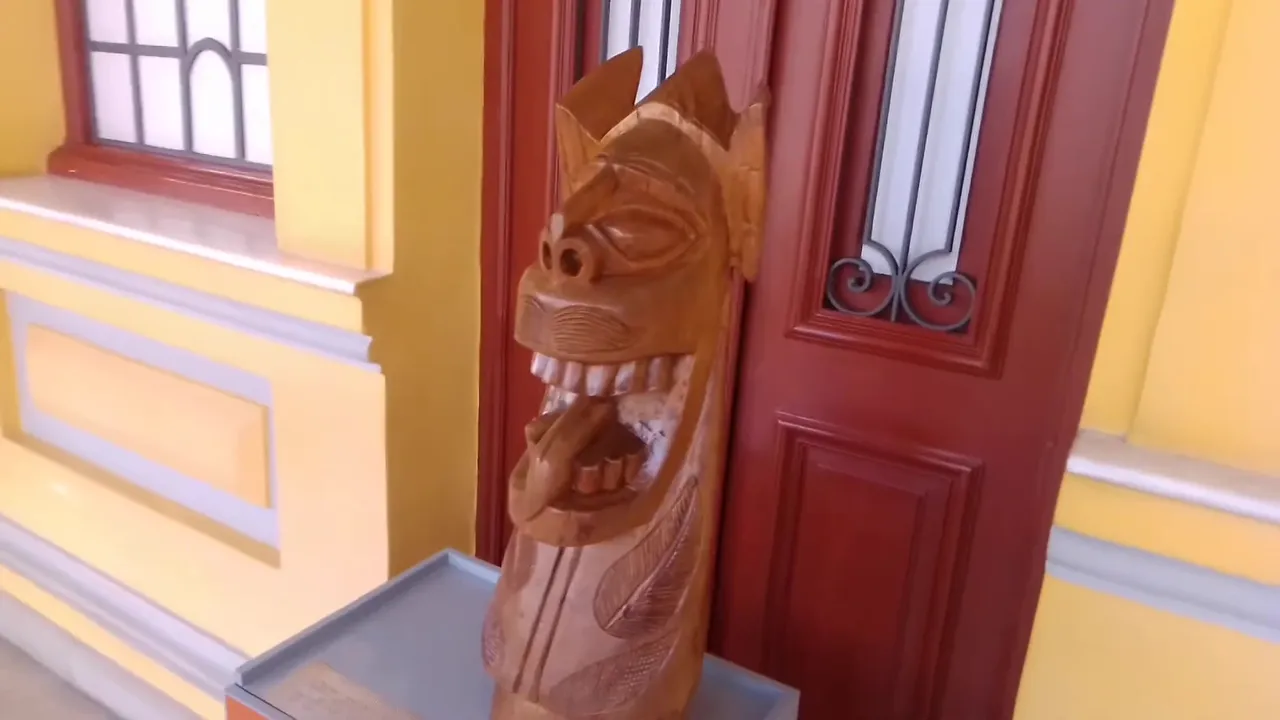
A section showcasing traditional decorations used to adorn the bows of boats also caught our interest. These decorations also convey important details reflecting sailors' beliefs. This section greatly helped us understand Brazil's cultural richness up close.


In another impressive section of the museum, tools and equipment used in the processing of harvested crops were displayed, and they were truly fascinating.

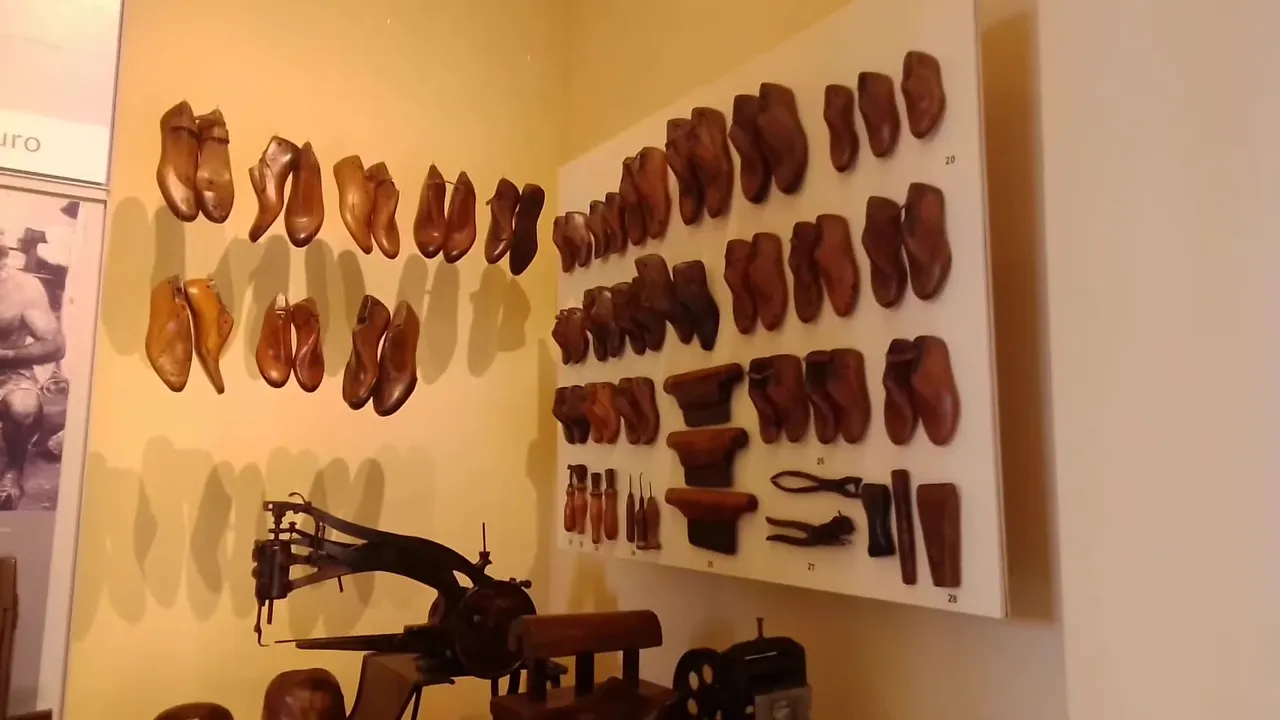
We had the opportunity to examine various intriguing items in the section dedicated to leather handicrafts. Different types of shoes, bags and saddle seats were exhibited here. Each one meticulously handcrafted and used for different purposes.



I saw many of these tools for the first time in my life. One of them was these instruments used in the production of a beverage called "Cachaça." Finding popular beverages like wine or liquor which are common today, was not easy in the old times but Cachaça was found in most homes. This beverage obtained by distilling sugarcane juice,could be consumed immediately or matured in barrels. These aging barrels were also on display in the museum.


Handcrafted pots, containers and other ceramic products also captured our attention.


This device was used for rolling and packaging tobacco neatly.Rolling tobacco was traditionally done by hand but this machine which was invented later, made the process faster.

And here we are in a store selling food products. Scales, liquid foods, beverages... The hanging spices on the shelves reminded me of present-day spice shops.


This special tool used in honey production is another piece that decorates the traditional products section. "Espremedor de Favor de Mel" which translates to "Honey Squeezer" looks quite intriguing.

A jeweler's workshop. Brazil was a major gold mining state in the 17th and 19th centuries.


The museum also had a large section showcasing tools used in the furniture production process. We had the opportunity to closely examine tools used in processes such as woodworking, carving,shaping and assembly.


There's also a special section that explains the production stages of barrels used for various purposes. Different sized barrels and the tools used during their production are displayed here.


Our museum tour came to an end here. We really enjoyed the museum. It's among the best museums I've visited. Absolutely fantastic. If you're interested in history, culture and art, I highly recommend visiting the museum when you're exploring Belo Horizonte.