

Hello my friends. I want to talk about Viljandi. It’s this place I hit up while I was traveling through Estonia. I fell in love with it. The history and nature are great, but the overall chill vibe is what gets me. What’s more, tourists know almost nothing about it. I spent some time wandering around, checking out the cool spots and some surprisingly high end sports centers. I even managed to catch the biggest music festival of Estonia, which happens there every year.


Viljandi is down in the south, about 150 kilometers from Tallinn. It’s a quick two hour trip from the capital. If you come from Tartu, the time and distance are cut in half. Bus prices are quite affordable and there are many discount opportunities. For example, my round trip tickets from Tallinn cost only twelve euros. This is a relatively small old town center with an ancient castle. Although there are a few terraced houses and multi story buildings, a large part of the city consists of the private sector with detached houses. Luckily I had the chance to stay in such a house belonging to family friends.


Actually I arrived here at an unusual time. This is a super quiet and calm city normally. It’s hard to see a crowd anywhere. Life flows slowly and deliberately. People spend their time in their own gardens. It is a literal point of silence and peace. The city's population is only seventeen thousand, but things change during the annual music festival. In the old days this festival was an event without tickets, where the organization was very loose and the spirit of music embraced the whole city. These days the Folk festival is a lot more professional and organized.


Because of the festival I got to check out the medieval castle ruins. They set up the stages at the top of the city, right in the middle of the ruins. During these days the area around the castle turns into a musical fairy tale. Diferent artists take the stage, people dance and for three days Viljandi becomes the most fun city in Northern Europe or at least in Estonia. However this fun is no longer cheap. A three day pass will run you about a hundred euros.Day passes are somewhere between 30 and 40 euros. If you don’t have a ticket, you can’t get into the castle area while the festival is on. There are checkpoints pretty much everywhere leading into the old town.

Another element protecting the center is the ancient defensive moats around the castle. This is a very interesting feature of Viljandi. Thanks to these moats the city center can still be reached only via bridges today. Crossing these bridges I felt like I was going to a unique place with a very rich history. The suspension pedestrian bridge especialy caught my eye. At the end of the nineteenth century there were very few bridges of this type longer than fifty meters in the world. It was manufactured in Riga and brought here. In the eighties because it was so old, walking on it was dangerous, especially when intoxicated. Stories say it used to sway from side to side. They fixed it up properly twenty years ago and now it’s a total local landmark.


Once I crossed the bridge I was in the oldest part of town. The construction of the stone castle began on top of an ancient Estonian settlement. When completed in the sixteenth century, it was one of the largest castles in the lands of Estonia and Latvia. However due to the wars between Sweden, Poland and Russia, only stone ruins remain today. Stil it’s a place worth seeing. It offers a wonderful view of the lake and the lower part of the city and entry is free.


The historical center is small but I found it very pleasant for walking. Not every building carries historical value. Some parts were just built in the last few decades. But with the cobblestone streets, you still get that whole medieval vibe. It’s not quite as perfect as Tallinn’s old town. It feels more like the Kalamaja neighborhood. Early twentieth century buildings, attention to detail, preserved doors and shutters.


Looking at other symbols of the city the most important is St. John’s church with its white stones. It has survived the Northern War, fires and its period of being used as a warehouse during the Soviet era to reach the present day. Right next to it is the large St. Paul’s church, built in neo-Gothic style. There is also the water tower, the city's most fun symbol. Built in 1911 it was later converted into an observation deck. This is the tallest building in the city.


In my opinion Viljandi is a total sports city. I felt this to my core while walking along the coastline. There is a giant football stadium, a beach football pitch, six beach volleyball courts, tennis courts an a rowing center. There is a health trail stretching along the lake and the names of the winners of the running races held here are engraved on concrete pillars. Such a vast sports infrastructure for a small city is incredible. It’s as if everyone living here is a professional athlete.


I also loved just walking through the residential neighborhoods. Most of the houses look like they’re straight out of a magazine. There are no high fences. Usually there are open spaces or low hedges. Everyone’s garden and lawn are perfect. In fact, robotic lawnmowers scurrying around the gardens help maintain this perfection.


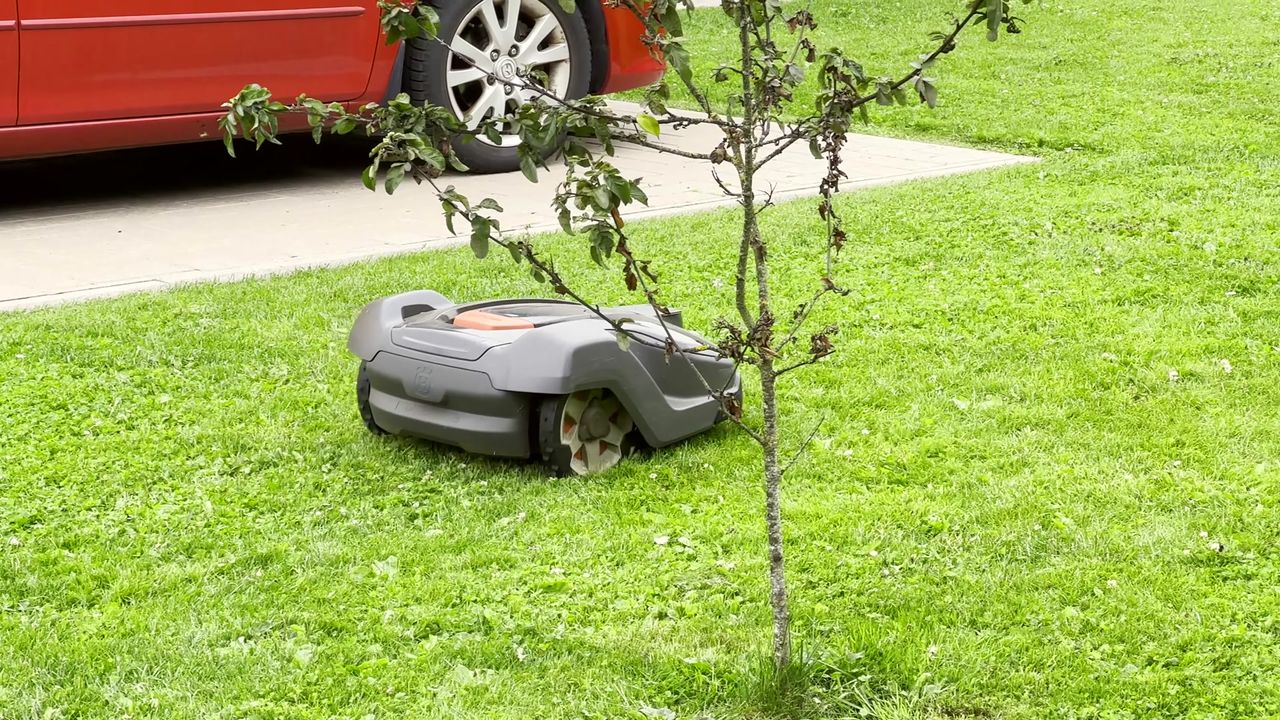


Everything is also orderly in social life. The streets are spotless. The municipality has even allocated a special park area for alcoholics. Instead of forcing people away, they ensured harmony with the environment by assigning them a small area where they traditionally gather. On steep slopes where robots cannot enter, sheep are grazed to mow the grass. A natural and clever solution.


The main thing I felt in Viljandi was just how warm and genuine everyone was. The nature really blew me away. Especially the hills and the lake, since most of Estonia is so flat. If you’re in Tallinn and have a spare day, you should definitely go see the real Estonia there. See you on a new journey.
