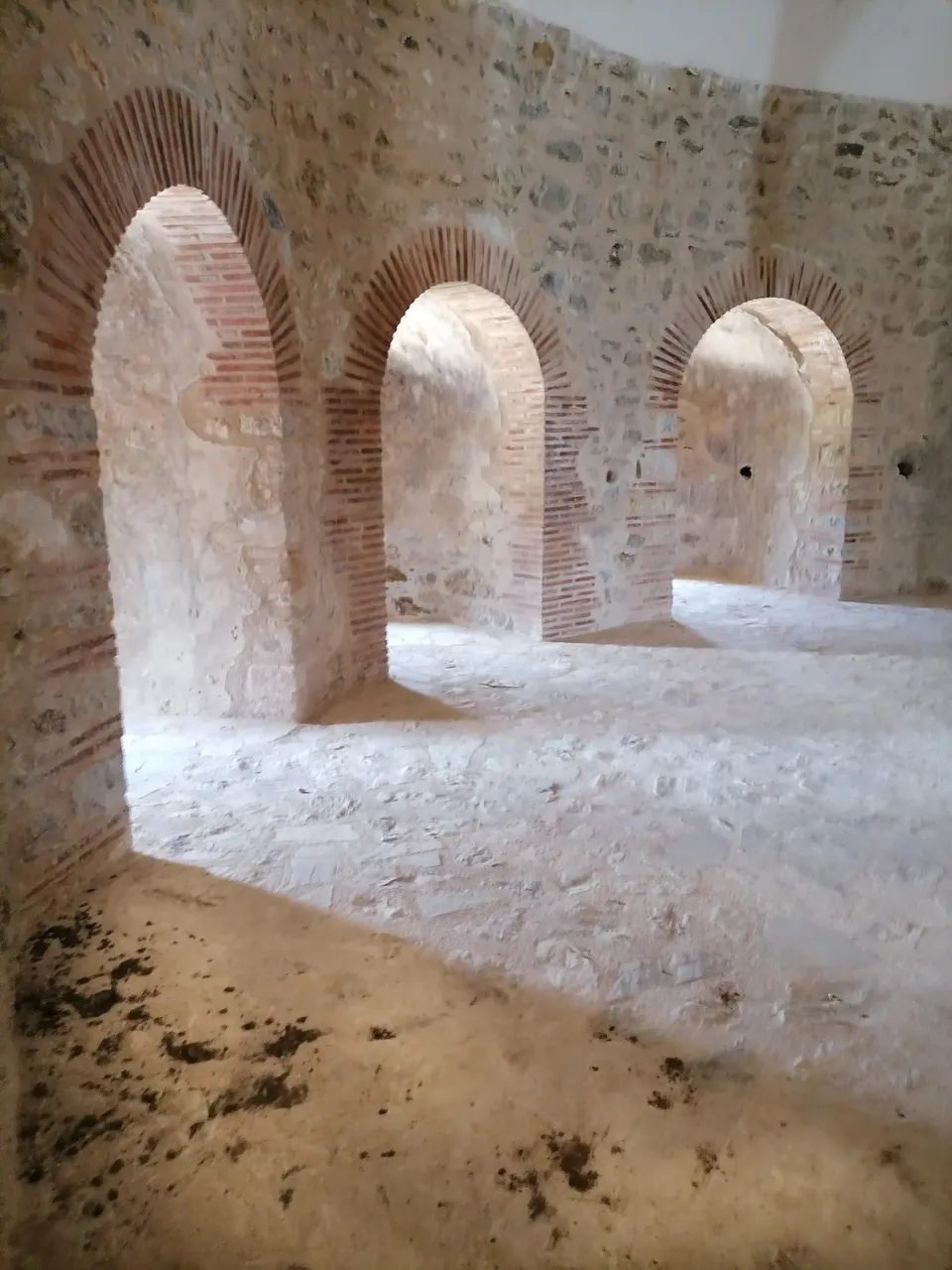
Would you like to meet a castle that has witnessed history? If your answer to this question is yes, you can review my content. Last weekend, we organized a trip to Anamur District of Mersin province, which is a holiday resort. Visiting Anamur Mamure Castle, which is the historical castle of Anamur, was also included in the program of this trip. There were many images that I acquired during our visit. This castle caught the attention of me and my friends.
Tarihe tanıklık eden bir kaleyle tanışmak ister misiniz?
Bu soruya cevabınız evet ise içeriğimi inceleyebilirsiniz.
Geçen hafta sonu bir tatil beldesi olan Mersin ilinin Anamur İlçesine bir gezi düzenlemiştik.
Bu gezimizin programında Anamur'un tarihi Kalesi olan Anamur Mamure Kalesini ziyaret etmek de vardı.
Ziyaretimiz esnasında edindiğim bir çok görsel oldu.
Bu kale benim ve arkadaşlarımın dikkatini üzerine çekti.


While walking around this castle during this trip, I was both surprised and intrigued. This castle had many remarkable figures. What particularly amazed me was its durability. The fact that a very solid structure was created caused my surprise to my face. It still causes me to think about how solid big stones are placed with human power. Now I would like to present you some information about this castle with visuals.
Bu gezi esnasında bu kaleyi dolaşırken hem şaşkınlık yaşadım hemde merak duygum kabardı.
Bu kale bir çok dikkat çekici figürlere sahipti. Özellikle beni hayrete düşüren noktası sağlamlığı oldu. Çok sağlam bir yapı oluşturulmuş olması benim şaşkınlığımı yüzüme vurmama sebeb oldu. Özellikle sağlam büyük taşların insan gücüyle nasıl konulduğu hala düşünmeme sebeb olmaktadır.
Şimdi sizlere görseller eşliğinde bu kale hakkında bazı bilgiler sunmak istiyorum.


Located at the seaside point of Anamur district, this castle attracts my attention primarily with its robustness. Another feature that caught my attention in the building was that it consisted of large cut stones.
Anamur ilçesinin denize sıfır noktasına konumlandırılmış bu kale öncelikle sağlamlığı ile dikkatimi çekiyor. Yapıda dikkatimi çeken diğer özellik büyük kesme taşlardan oluşmasıydı.


The castle consists of three parts: the inner courtyard in the east, separated by high walls, the outer castle in the west and the inner castle built on the rocks to the south of them. The castle, which has 39 towers, water cisterns, a mosque and a bath outside, is surrounded by a 10-meter-wide defensive ditch. The lower parts of the castle walls are wide. The upper parts narrow upwards. Various stones and Khorasan mortar were used in the construction of the walls and bastions. Cut stone was used on the arches of the entrance doors and some windows and the corners of the walls. Brick was used in repairs and additions made in later periods. There are interconnected galleries within the double-storey castle walls.
Kale, yüksek duvarlarla ayrılmış doğudaki iç avlu, batıdaki dış kale ve bunların güneyindeki kayalıklar üzerine inşa edilmiş iç kale olmak üzere üç bölümden oluşmaktadır.
39 kulesi, su sarnıçları, camisi ve dışında hamamı bulunan kalenin etrafı 10 metre genişliğinde savunma amaçlı hendekle çevrilidir. Kale duvarlarının alt kısımları geniştir. Üst kısımları yukarı doğru daralmaktadır. Duvarlar ve burçlar yapılırken, çeşitli taşlar ve Horasan harcı kullanılmıştır. Giriş kapıları ve bazı pencerelerin kemerleri ile duvar köşelerinde kesme taş kullanılmıştır. Daha geç devirlerde yapılan onarım ve eklentilerde tuğla kullanılmıştır. Çift katlı olan kale duvarları içerisinde birbirleri ile bağlantılı olan galeriler bulunmaktadır.
Source


Upon the occupation and destruction of Anamur and Taşeli by the Christians, Karamanoğlu Mahmut Bey (1300-1308) defeated the enemy with his army, captured the castle, demolished the churches, built a mosque, prospered the castle and named it Mamuriye. There are documents that the castle was later repaired in the middle of the 16th century and at the end of the 18th century and new additions were made to the castle. Finally, repairs were made by the General Directorate of Foundations in the 1960s. The craftsmanship and construction technique of the castle reminds Alanya Castle.
Anamur ve Taşeli’nin Hıristiyanlar tarafından işgal edilip, tahrip edilmesi üzerine Karamanoğlu Mahmut Bey (1300-1308) ordusuyla düşmanı bozguna uğratıp, kaleyi ele geçirmiş, kiliseleri yıkıp yerine cami yapmış ve kaleyi mamur edip, adını Mamuriye koymuştur. Kalenin daha sonra 16'ıncı yüzyıl ortalarında ve 18'inci yüzyıl sonlarında yeniden onarım gördüğü ve kaleye yeni eklentiler yapıldığına dair belgeler bulunmaktadır. Son olarak 1960’lı yıllarda Vakıflar Genel Müdürlüğü’nce onarım yapılmıştır. Kalenin işçiliği ve yapım tekniği Alanya Kalesi’ni hatırlatmaktadır.Source