
Yes, it's true! Guilty as charged... Once again, I'm a few weeks behind when it comes to sharing my travel escapades on my favorite blockchain. Let my excuse be that in Alicante, you’ll get a little sneak peek into what I’ve been up to lately. Volunteer guinea pigs, that is. But anyway, on to today's post. It's from Easter. The "Western" one, since Bucharest otherwise celebrates the Orthodox one later. At first, I thought my love was taking me to a Village People concert (partly because in a nearby park, Michael Jackson has his own avenue, right next to a Japanese garden swarming with Insta People; welcome to the globalized world!), but alas, no. No YMCA.


The Dimitrie Gusti National Village Museum is a massive open-air ethnographic museum. You'll definitely bump into people from small towns and villages here, especially at the various markets they host. Like the markets just before March 1st, when Romania celebrates the Mărțișor holiday and gentlemen buy little brooches, bracelets, and other trinkets by the dozen for every woman they know. Or the Easter markets, which, frankly, weren't much to write home about. Luckily enough, the museum has plenty to offer on its own.


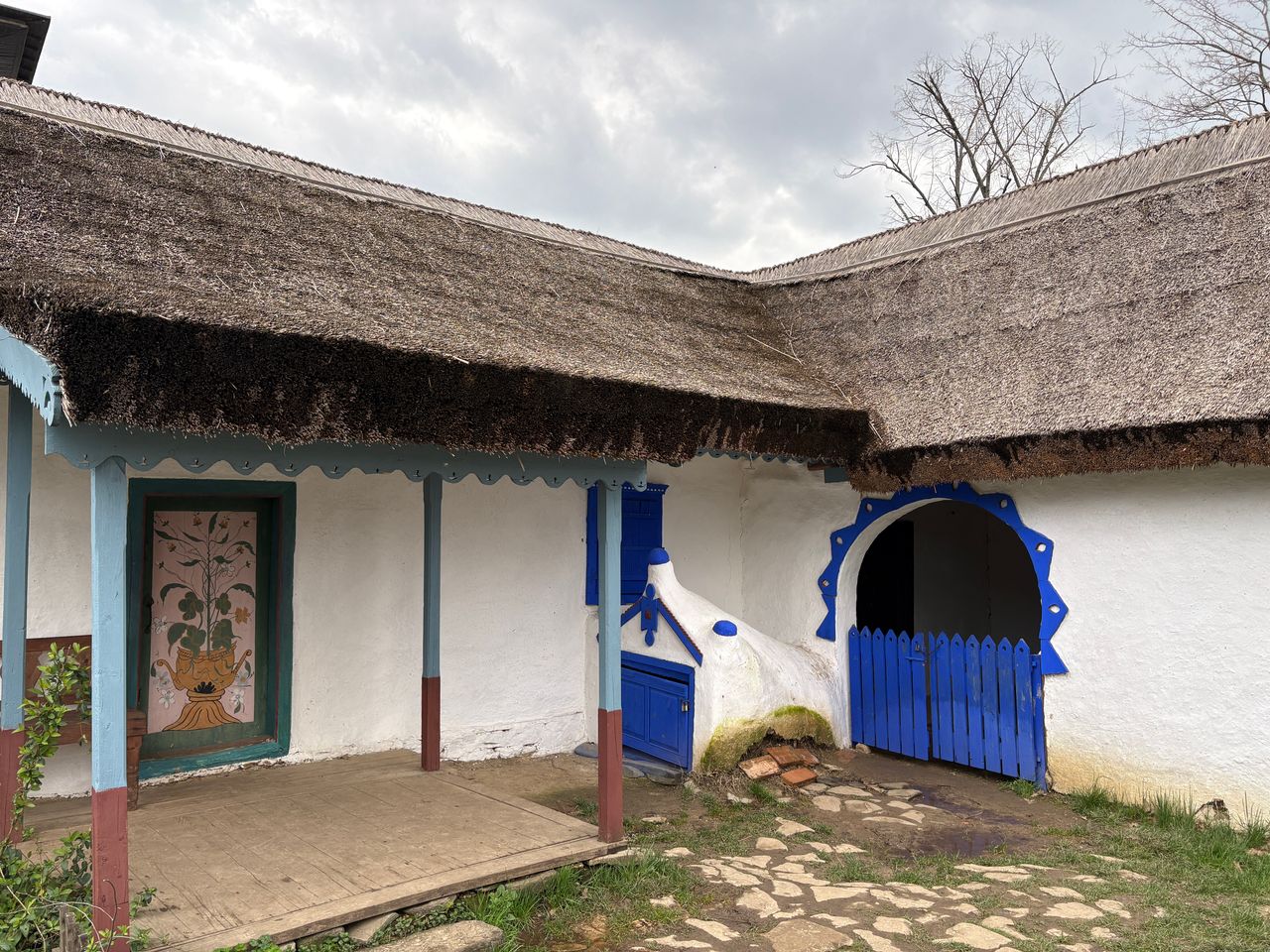


There are over a hundred historical houses here from various Romanian regions. Although... on the edge of the museum, there are a few ruins that look a bit like squats. Hard to say if those are included in the official headcount. You can actually step inside many of the houses and feast your eyes on their authentic furniture and fittings. But you have to get there earlier than we did. Apparently, the houses close earlier than the rest of the museum. I do appreciate, however, that every house you can enter comes with its own guard, who is equally authentic. They will speak to you only in Romanian, or in the universal sign language of bored museum and gallery attendants. You might even be treated to the most frequently used phrase in this global tongue (wait, is it still a tongue?): *"Chop-chop, we're closing up!"


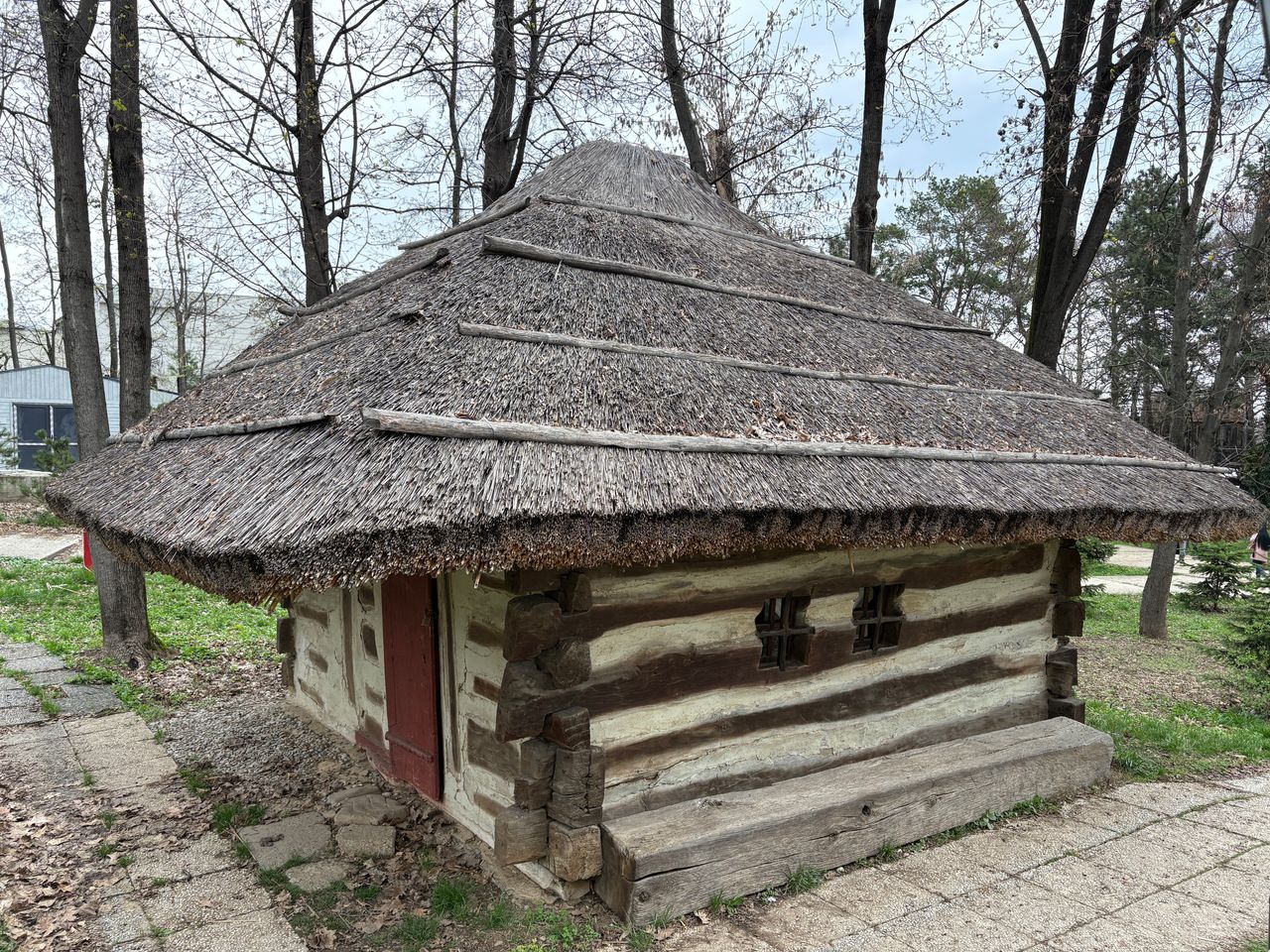
Anyway, the museum is definitely worth a visit. You’ll need about two hours to wander through it. Probably half that if the guards happen to be feeling grumpy and won't let you into any of the houses for no particular reason.


What struck me the most was how obvious it is from rural Romanian architecture that the Industrial Revolution reached this corner of Europe much later than, say, Austria-Hungary (and even they were pretty late to the party).


And then, of course, there were the little wooden churches. Two of them. One was padlocked shut (whoever wishes to pray, let them do so under the open sky, just like in the days of the Lord of Hosts), while the other, thankfully, was accessible. Praise be to modern technology! The church was authentically unlit, but my phone can pull off great photos even with a mere sliver of light. The pictures actually reveal way more than we could see with the naked eye. Funny, having to snap a photo of the ceiling just so we could look at it.


