

Across the water southeast of Hobart, Port Arthur is located at the tip of the Tasman Peninsula. It was the ideal spot for a penal colony; isolated wilderness, 300 meter (984 ft) high cliffs, and a military guard in place at the peninsula's narrow base. Today, it's a 100 km drive from Hobart.
Port Arthur, along with 10 other sites, make up the UNESCO World Heritage-listed Australian Convict Sites. It is Tasmania's most important tourist site.

The initial impression is of an idyllic setting on the ocean front with pastoral hills and nearby forest. We took the guided tour and then wandered around for a few more hours.

You quickly learn that life for an inmate was a real hardship, and you can read about individual inmates at the on-site archives.
Imagine being sent off to Tasmania as a 6 year old for the crime of stealing a loaf of bread. At the same time, the inmates were a valuable slave labour force for Van Diemen's Land (later Tasmania) working mostly in forestry and the shipyard here.

Above, the Warden's house. As the leader of the community, he enjoyed a high standard of living and was called on to host visiting dignitaries.

Workers were needed to support the community and this is an area of housing and workshops connected by boardwalks.

Inside the main hall of the new prison.

This was a huge improvement over the old prison where the convicts all lived in one room, but don't let the whitewash fool you. It was very cruel.


The bed could be moved out of the way.

The walled prison yard.

A guard tower overlooking the water.

The tour included a boat ride. While Port Arthur was just reopening after Covid-19, crowds were scarce but there were more people than you can see here.
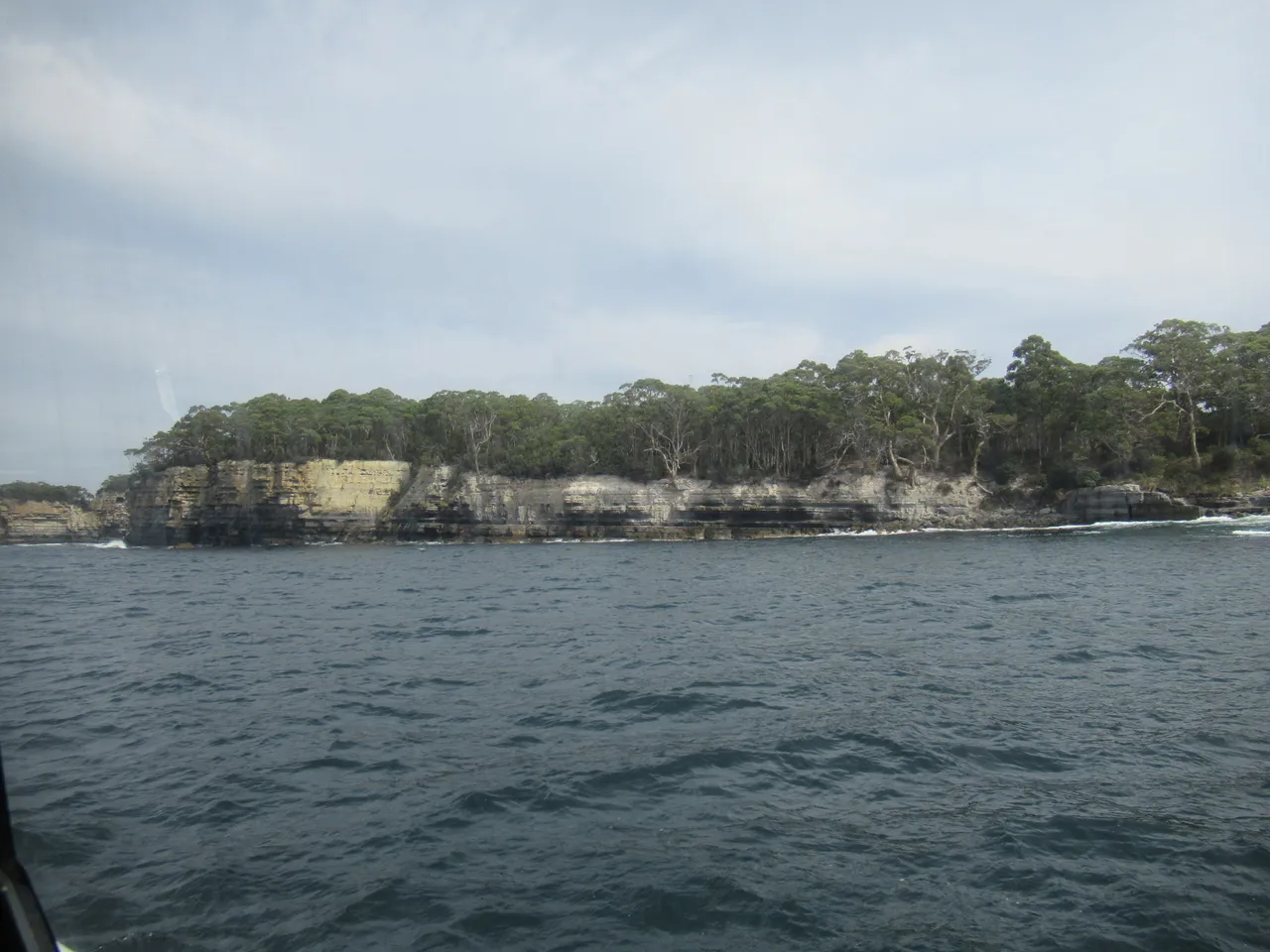
The boat took us past the cliffs and around the island where child convicts were buried.

I think this was the bakery, above.

Near the boat and shipyard, we walked along the gravel road. There are still many blue gum (eucalyptus) trees, a valuable lumber tree for Port Arthur.

Farms supplied produce for the community. We couldn't go inside this house. Not all buildings have been restored and some were damaged or destroyed during bushfires in 1895 and 1897.

This house, with its garden and livestock, gave a glimpse into life at the time.

Wallaby-proof fencing around the vegetable garden. There were several gardens like this.

It was fun to wander around. It seemed like a nice place to live unless you were a convict!

Beyond the orchard is the area where the professionals lived.

The houses here were nice with big front porches and beautifully landscaped gardens. This was the accountant's house.


You can appreciate the view from this lovely back yard garden.

Above, the doctor's house. This is one where we can go inside.
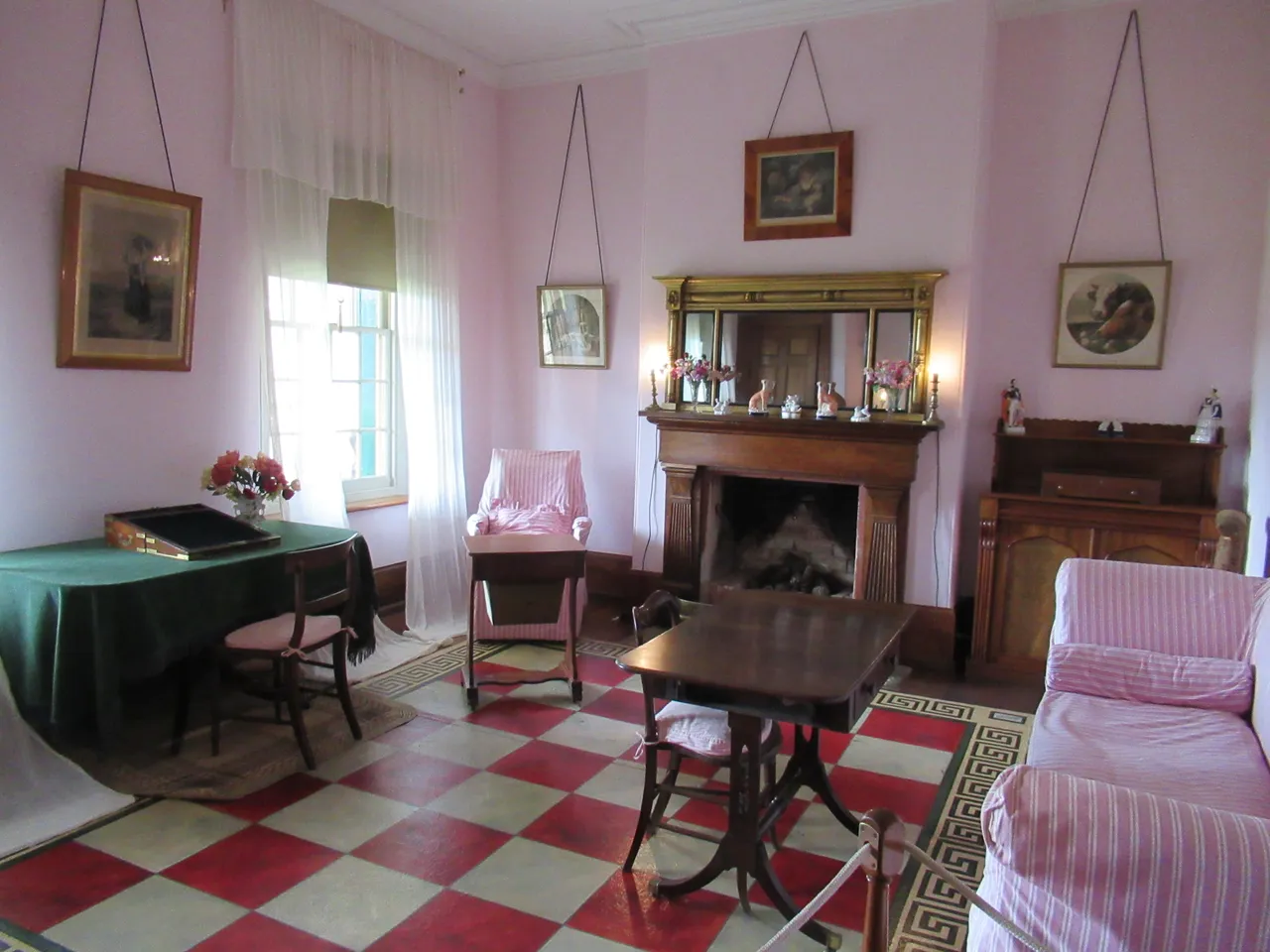
Probably a very fashionable parlour for the time. A piano was just out of sight to the left.

The formal dining room. You can see fireplaces in each room.

A large garden was added so the ladies would have a place to walk.

Just some trim on the warden's house. This is pretty common on older Hobart homes.

The church stands on a hill overlooking the community. It was destroyed in a bushfire.

Here we are within the church ruins. It was nice to know they allowed the convicts to attend.

References
Port Arthur official website
Port Arthur
Images
Photos taken with my Canon SX620 HS camera at Port Arthur, Tasmania, Australia.

[//]:# (!pinmapple -43.148127 lat 147.851010 long Port Arthur ~ UNESCO World Heritage Site d3scr)
