


The city of Nara is another place in Japan that is worth, or even must, visit when traveling in Asia. It is a small, charming town with an interesting history, full of extraordinary monuments and architectural gems. It is the former capital of Japan and was from 710 to 794 with a short break in Kyoto, it was also the seat of the Emperor of Japan.
Miasto Nara to kolejne miejsce w Japonii, które warto, albo nawet koniecznie trzeba odwiedzić podczas podróży po Azji. To małe urokliwe miasteczko z ciekawą historią pełne niezwykłych zabytków i perełek architektonicznych. To dawna stolica Japonii i była nią od 710 do 794 roku z krótką przerwą na Kioto, była również siedzibą Cesarza Japonii.


The showcase of this city is, of course, the highly famous herds of deer, which persistently force tourists to give food, thanking them with a bow. Legend has it that the god Takemikazuchi came to Nara on a white deer and guarded the new capital. Since then, deer are considered sacred. Actually, they are Sika deer, also known as Japanese or Spotted deer, of which there are over 1,200 in Nara, and they come from East Asia.
Wizytówką tego miasta są oczywiście mocno rozsławione stada jelonków, które uporczywie wymuszają na turystach dawanie jedzenia, dziękując później ukłonem. Legenda głosi, że na białym jeleniu przybył do Nary bóg Takemikazuchi i strzegł nowej stolicy. Od tej pory jelonki uważane są za święte. A tak na prawdę to jelenie Sika, zwane też jeleniem japońskim lub plamistym, których jest w Narze ponad 1200, a wywodzą się z Azji Wschodniej.


Tadai-ji temple
Świątynia Tadai-ji

Jelonki is one of the attractions of this place, but the temples deserve much more attention. The first is the Tadai-ji Temple, which literally means the Great Eastern Temple. It was established in 752 and is the most famous and largest temple of Nara.
Jelonki to jedna z atrakcji tego miejsca, ale na zdecydowanie większą uwagę zasługują świątynie. Pierwszą z nich jest świątynia Tadai-ji, która w tłumaczeniu dosłownym oznacza Wielka Wschodnia Świątynia. Powstała w 752 roku i jest najbardziej znaną i największą świątynią Nary.
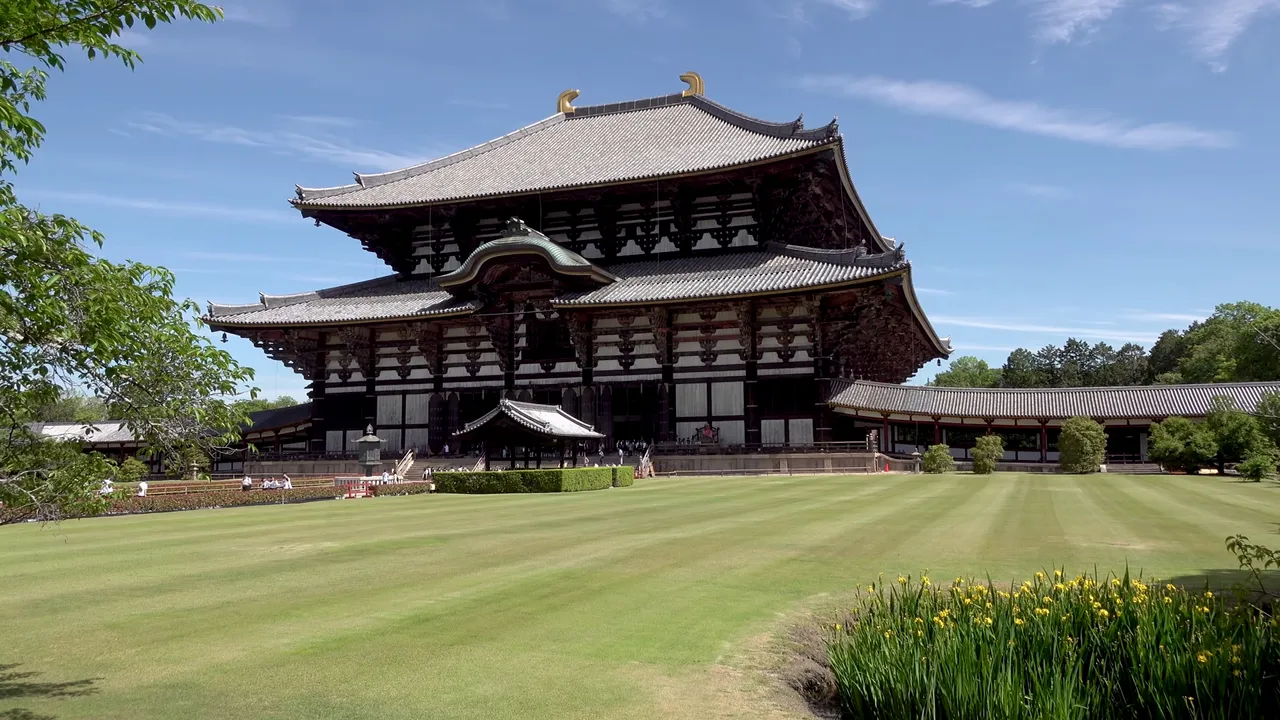
The temple has several attractions to offer. It is, for example, one of the oldest wooden structures, the main hall called Daibutsuden. Its current condition is only 2/3 the size of the original, but it is still very impressive.
Świątynia ma do zaoferowania kilka atrakcji. Jest nią na przykład jedna z najstarszych konstrukcji drewnianych czyli główny hall zwany Daibutsuden. Jej obecny stan to zaledwie 2/3 wielkości oryginału, ale i tak robi ogromne wrażenie.
There used to be two 100-meter-long pagodas next to the temple, which were destroyed by an earthquake. At that time, they were one of the tallest buildings in the world.
Kiedyś przy świątyni stały dwie 100 metrowe pagody, które zostały zniszczone przez trzęsienie ziemi. W owych czasach były jednymi z najwyższych budowli na świecie.

The big buddha
Wielki Budda


Another undeniably beautiful object that must be seen, in fact, because of its size, it is difficult to overlook a bronze Buddha statue called Daibutsu, or the Big Buddha. It is really big, because it measures 15 meters and weighs over 500 tons.
Kolejnym, niezaprzeczalnie pięknym obiektem, który koniecznie trzeba zobaczyć, w zasadzie przez jego rozmiary trudno przeoczyć jest posąg Buddy wykonany z brązu nazywany Daibutsu, czyli Wielkim Budda. Jest rzeczywiście wielki, bo mierzy 15 m a waży ponad 500 ton.


On both sides of it there are statues of Bodhisattva. X-ray examinations carried out showed that in the Buddha's knee there is a human tooth, pearls and other gems, mirrors, swords, which are probably relics of Emperor Shomu. Vairocana Buddha is believed to be the true nature, material and spiritual of all beings, the omniscient body of wisdom.
Po jego obu stronach znajdują się posągi bodhisattwy. Przeprowadzone badania rentgenowskie wykazały, że w kolanie Buddy znajduję si3 ludzki ząb, perły i inne klejnoty, lustra, miecze, które prawdopodobnie są relikwiami cesarza Shomu. Budda Vairocana według wierzeń jest prawdziwą naturą, materialną i duchową wszystkich istot, jest wszechwiedzącym ciałem mądrości.

Kasuga Taisha Chapel
Kaplica Kasuga Taisha


This chapel is representative of the second religious movement in Japan, namely Shintoism. The chapel is full of ocher tori gates and distinctive stone and bronze lanterns along the main road.
Ta kaplica jest reprezentantem drugiego nurtu religijnego w Japonii, a mianowicie shintoizmu. Kaplica pełna jest ochrowych bram tori oraz charakterystycznych kamiennych i wykonanych z brązu lampionów usytuowanych wzdłuż głównej drogi.


There are over 3000 of them there. Unfortunately, they are lit only twice a year in August and February during holidays. The first is Setsubun, which is the spring festival celebrated on February 3, and the second is Obon, or the Japanese festival of the dead, which is celebrated on August 15.
Jest ich tam ponad 3000. Niestety zapalane są tylko 2 razy w roku w sierpniu i w lutym podczas świąt. Pierwsze z nich to Setsubun czyli obchodzone 3 lutego święto wiosny, a drugie to Obon czyli japońskie święto zmarłych obchodzone 15 sierpnia.


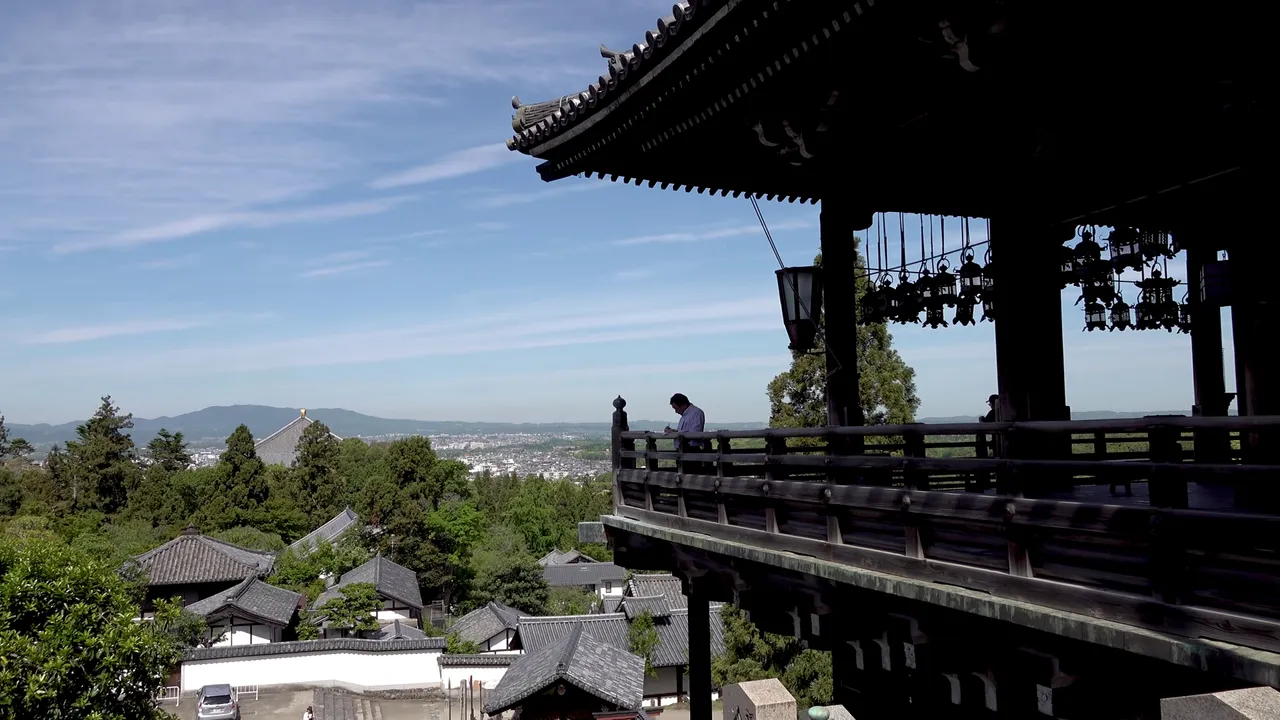
Another temple worth mentioning is Kokufu-ji. The founder of this building was the wife of the aristocrat Fujiwara no Katamari. It was to be a tribute to the Buddha for the recovery of her husband. the temple was built in Kyoto, but in 710 it was moved to Nara and is still standing today. It was consumed by fires and renovated many times.
Kolejną świątynią wartą wspomnienia jest Kokufu-ji. Fundatorem tej budowli była żona arystokraty Fujiwara no Katamari. Miał być to hołd złożony Buddzie w intencji wyzdrowienia jej męża. świątynia powstała w Kioto, ale w 710 roku przeniesiono ją do Nary i stoi do dzisiaj. Wielokrotnie była trawiona przez pożary i odnawiana.


Five-story Gojū-no-tō Pagoda in Kōfuku-ji Temple
Pięciopiętrowa Pagoda Gojū-no-tō w świątyni Kōfuku-ji


The Pagoda in the Horyuji Temple was built in 710 and is the oldest pagoda of this type in Japan and one of the oldest surviving wooden towers in the world.
Pagoda w Świątyni Horyuji powstała w 710 roku i jest najstarszą tego typu pagodą w Japonii i jedną z najstarszych zachowanych drewnianych wież na świecie.


The pagoda, and more precisely its pillar, is made of Japanese cypress and is about 32.5 meters high. The pillar passes through the five levels of the tower and is very flexible, allowing the structure to absorb vibrations during earthquakes that have occurred and are frequent in Japan.
Pagoda, a dokładnie jej filar wykonany jest z japońskiego cyprysu i ma około 32,5 metra wysokości. Filar przechodzi przez pięć poziomów wieży i jest bardzo elastyczny, umożliwiając budowli pochłanianie drgań podczas powstałych i częstych w Japonii trzęsień ziemi.

