
My wife always tries and achieves to find interesting and beautiful places to visit when we are traveling. We have travelled in this mountain area several times, but haven’t go to this village, which is just 3 kilometers away from the main road.
We were two days in the area and we managed to choose the better one for a walk outside. It was gloomy, but it didn’t rain, and the temperature was about 10 degrees on the centigrade scale. We couldn’t have asked for a better winter weather. Shall we now begin our tour of the Village of Dolen?

The village has new part, where about 7-800 people live permanently. The old one, which is an Architectural and Historical reserve, which means all the houses and the outlook of the place should be kept within the original design and appearance, has only about 20-30 residents left. Still the place is not entirely forgotten and that’s our perfect opportunity to dive in the world of Bulgarian traditional building craftsmanship.
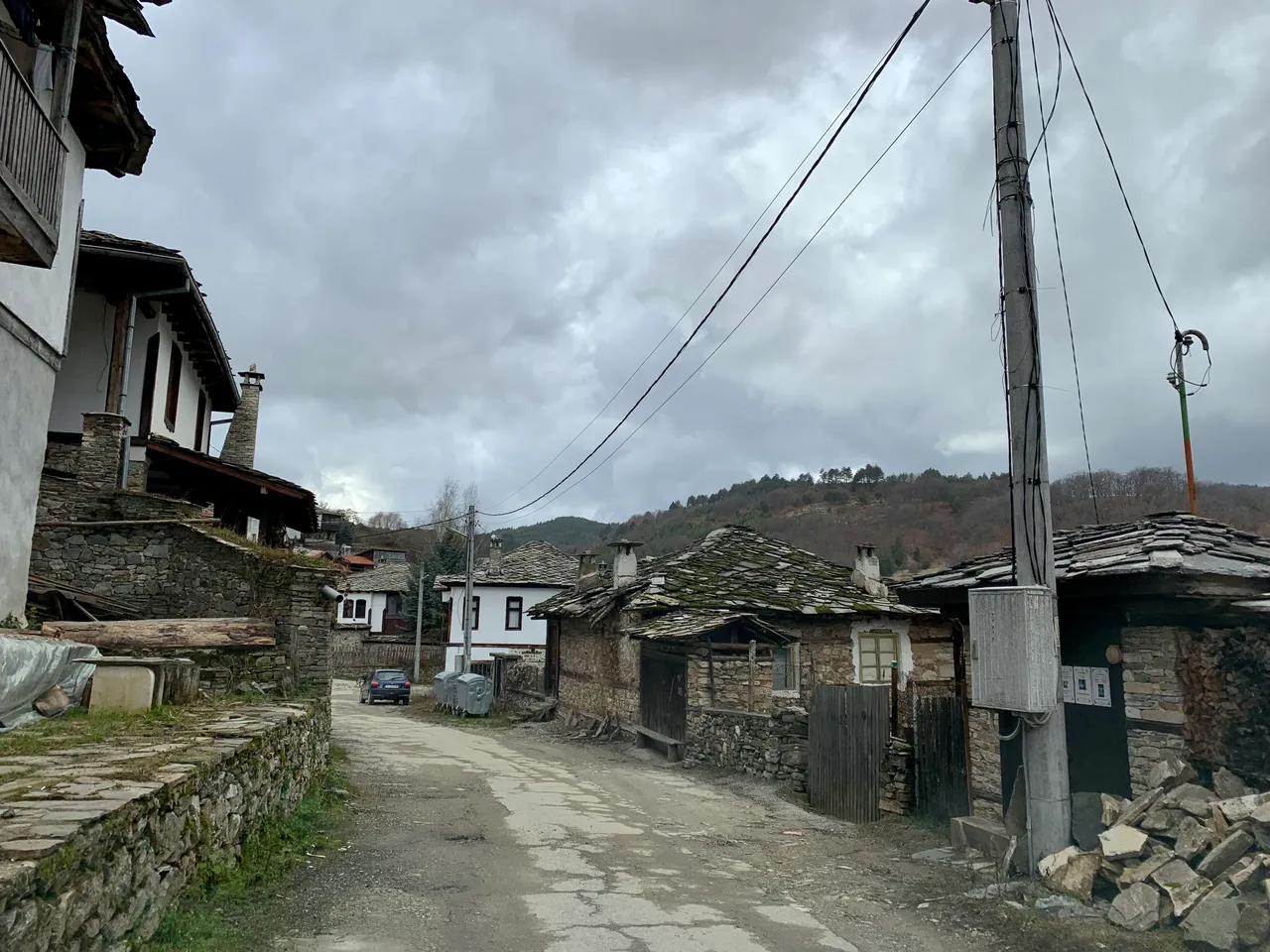

We parked our car in the “heart” of the old village, right next to the city hall, where in the past was the maternity hospital. You can imagine how much people were there about 100 years ago so that there was a need of such place. I mean, there must have been at least couple of thousand people there and even more in the neighboring villages. Life was definitely quite different back then.


This old part of the city has both a mosque and a church. This region of Bulgaria is known for a lot of Muslim people, who came from Turkey, or left there after the independence of Bulgaria. There are a lot of villages that do not have churches, but at least couple of mosques.
We headed down through the winding stone paved streets. Everywhere the houses seem to be standing dangerously close and above our heads, but in that village the yards are not very big and people used to maximize the use of living space. The foundations and first floors of these traditional homes are made entirely by stone, dry masonry which showcases the craftsmanship of the people living there and building all these unique houses.
Some of the second floor walls were made by weaving wooden sticks for the wall foundation and then finishing it with clay and hay mixture.

The rooftops are clad in flat stone plates which are perfectly arranged and stay only by their own weight. Nothing other fixes them to the beams of the roof. This is a traditional way of making roofs in Bulgaria from the past.


I have to say we were very lucky to occasionally meet an old man who told us more about the village itself. It turned out that he takes care for all the houses. He uses traditional building methods to fix their roofs and build additional living rooms. Many of the non-permanent residents are actually some foreigners and rarely some Bulgarians from Sofia or Varna. When people are away their vacation houses, this man cuts the grass and takes care to keep the houses inhabitable.

This house was looking very gorgeous on the rock. What a better foundation than solid stones… although we didn’t see the man who we met for a while now, he showed from the house’s garden and offered to show us the inside of it. He explained that this was the house of his parents back in time and he was raised inside. A few years ago, he sold it to some Artist from Sofia and he visits the house everyday just to see if everything’s ok. He became some sort of a housekeeper of his own house.
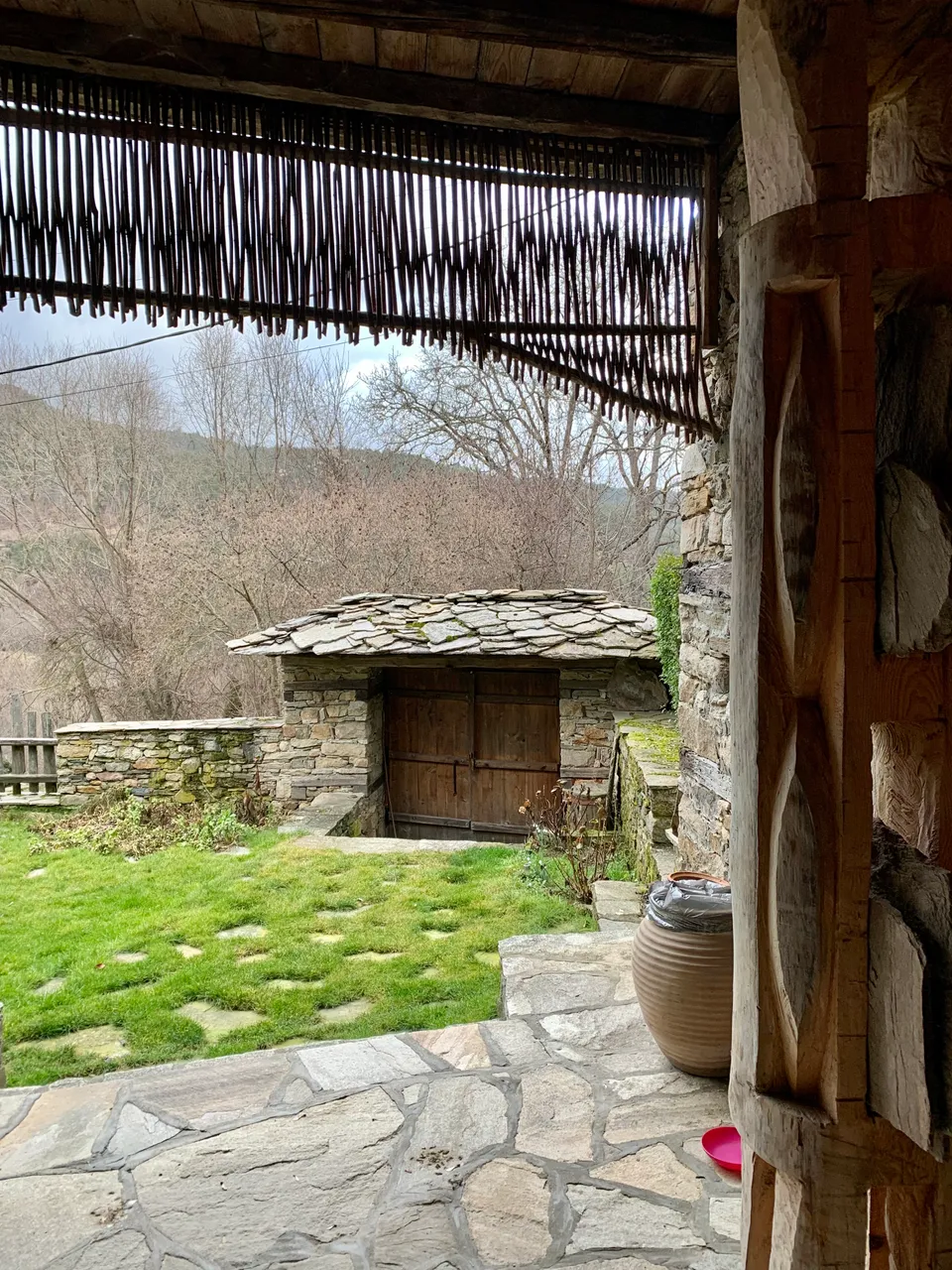

When the old man opened the living room I was surprised to see how neat and good looking it was. You had everything that you will ever need to enjoy your stay at the village and all the natural materials look perfectly matched.

On the second floor there were four bedrooms(which I couldn’t take photos of), a big common room on the inside and a big terrace with wonderful view. I imagined drinking my coffee or beer with such a view!


Also, the columns had a recognizable local wood craftsmanship, which definitely took my attention.

At the common room there was a fireplace where they used to cook their dishes back in the days and today’s owners left some archaic tools and items that they found in the house itself.


Another thing that every second house in the village hosted was a wood oven, typically built in the house, but at this exact house it was outside. Families used to bake at least a dozen of breads because once every 10 or so days they were firing the oven. It was at least a couple of hours burning to make it temperature ready.

What a great experience we had with this man… we really looked into the past and the life of these people.
Right at the gate, when we were just leaving the old man showed us a tile that was brought in the village from Spain, or Portugal. It was a friend of the new owner who was a guest of him and presented him with this unique piece of art.

And before I end my post, I want to show you a quite interesting place. The village really attracts differently thinking and abstract artistic people. One of the houses seemed to be like a Japanese inspired club or a sort of a gathering place. It was named “The Gates” and used the Kanji symbol for a gate.

It’s maybe like at least a year or two since this house haven’t seen alive human in it, but when it does, it will be an interesting place to hang around.


And someone was looking out of the window with a dose of spookiness.

What do you think? Would you visit such a place if you have the chance? Personally I think that this was a day well spent with a great reference to the past and the original spirit of this village. Sometimes such beautiful places are hiding so close to ourself and we just need a bit of attention and some search to find and enjoy them.


Now I look forward to our next trip and see another hidden gem. See you and have a great weekend!