
In the Argentine part of Patagonia, there is basically a rather desert landscape, where there are no high mountains, of course. This territory has its own name — the Patagonian Desert (and sometimes it is also called the Patagonian Steppe), it is the largest desert in Argentina and the 8th largest in the world.
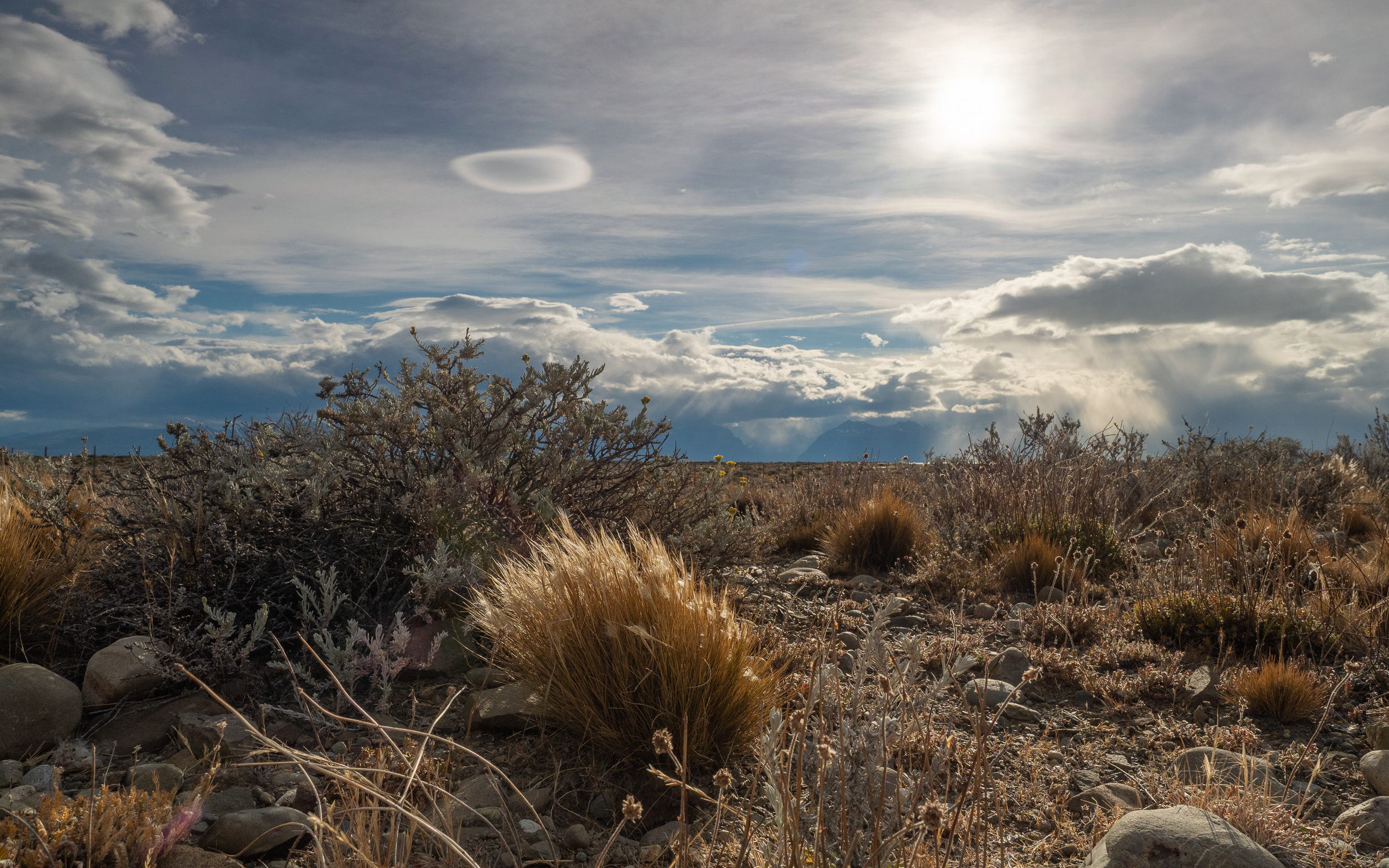
Plains alternating with plateaus on its territory far from the coast cannot boast of abundant green vegetation — the vast majority of precipitation coming from the west is trapped by the Andes.
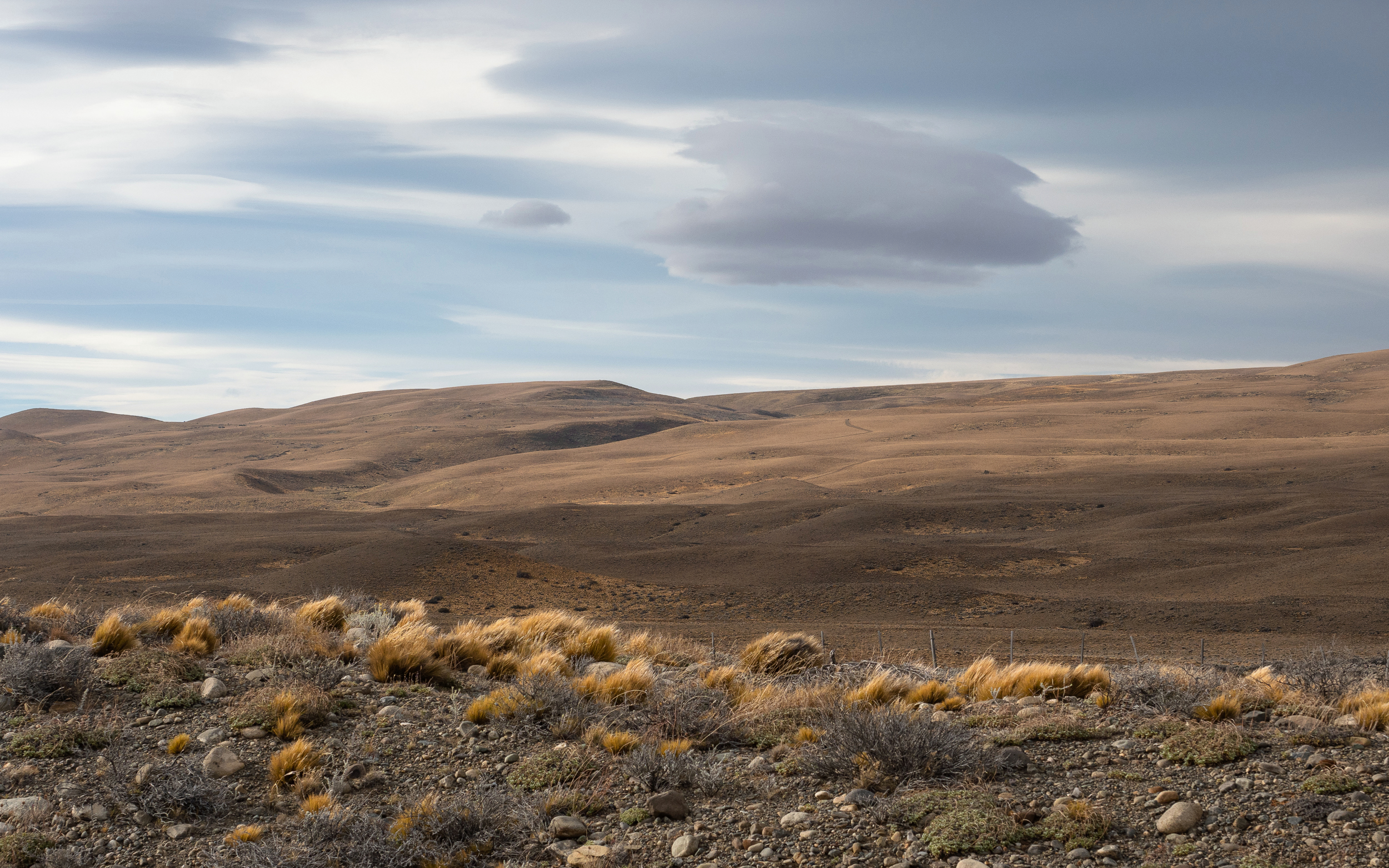
At the same time, since it is located in the south of South America, it is very different from the usual ideas about deserts in terms of temperature: there is no heat here, in fact, it is quite cool even in summer — it was uncomfortable without a jacket at the height of the day in January.
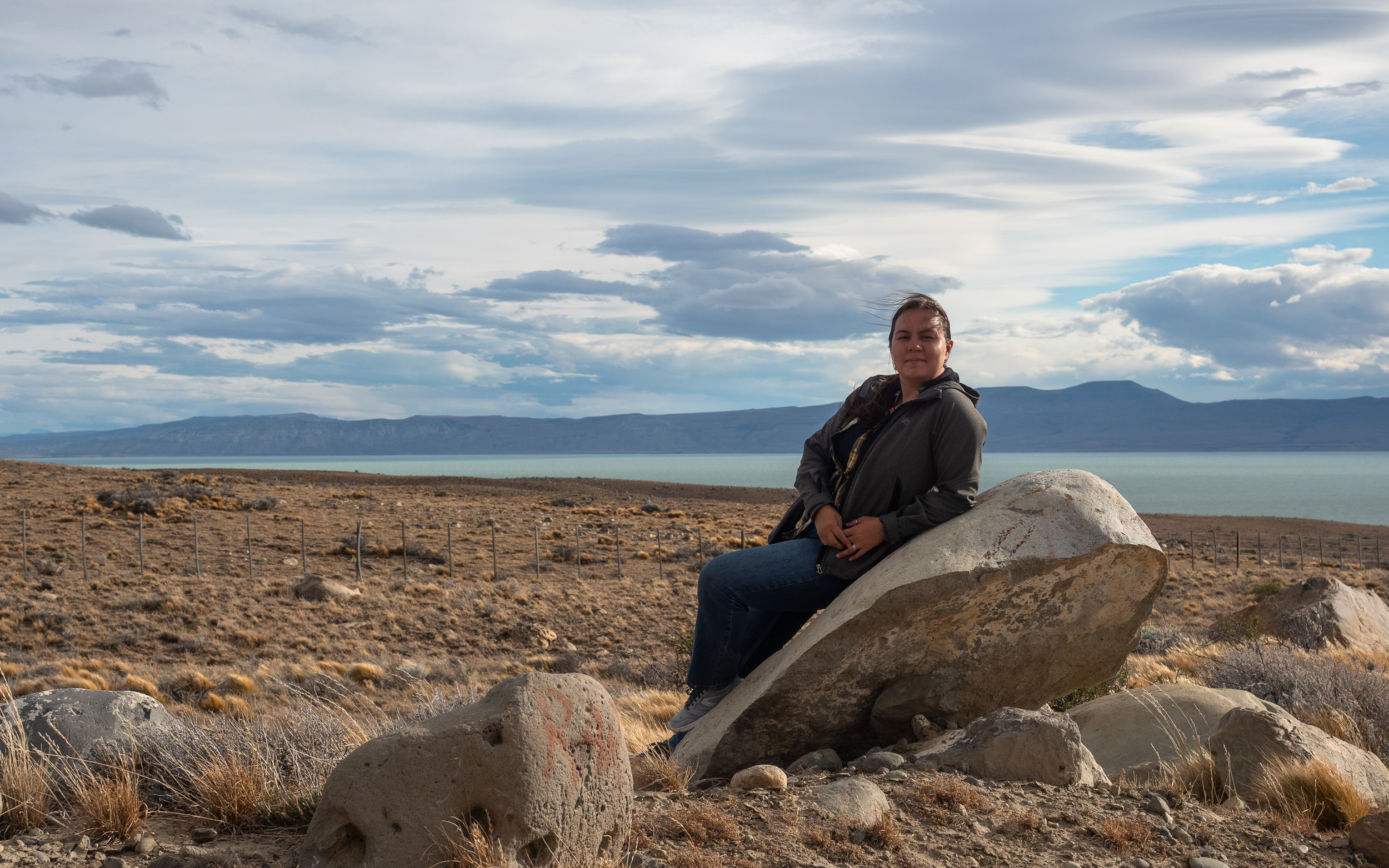
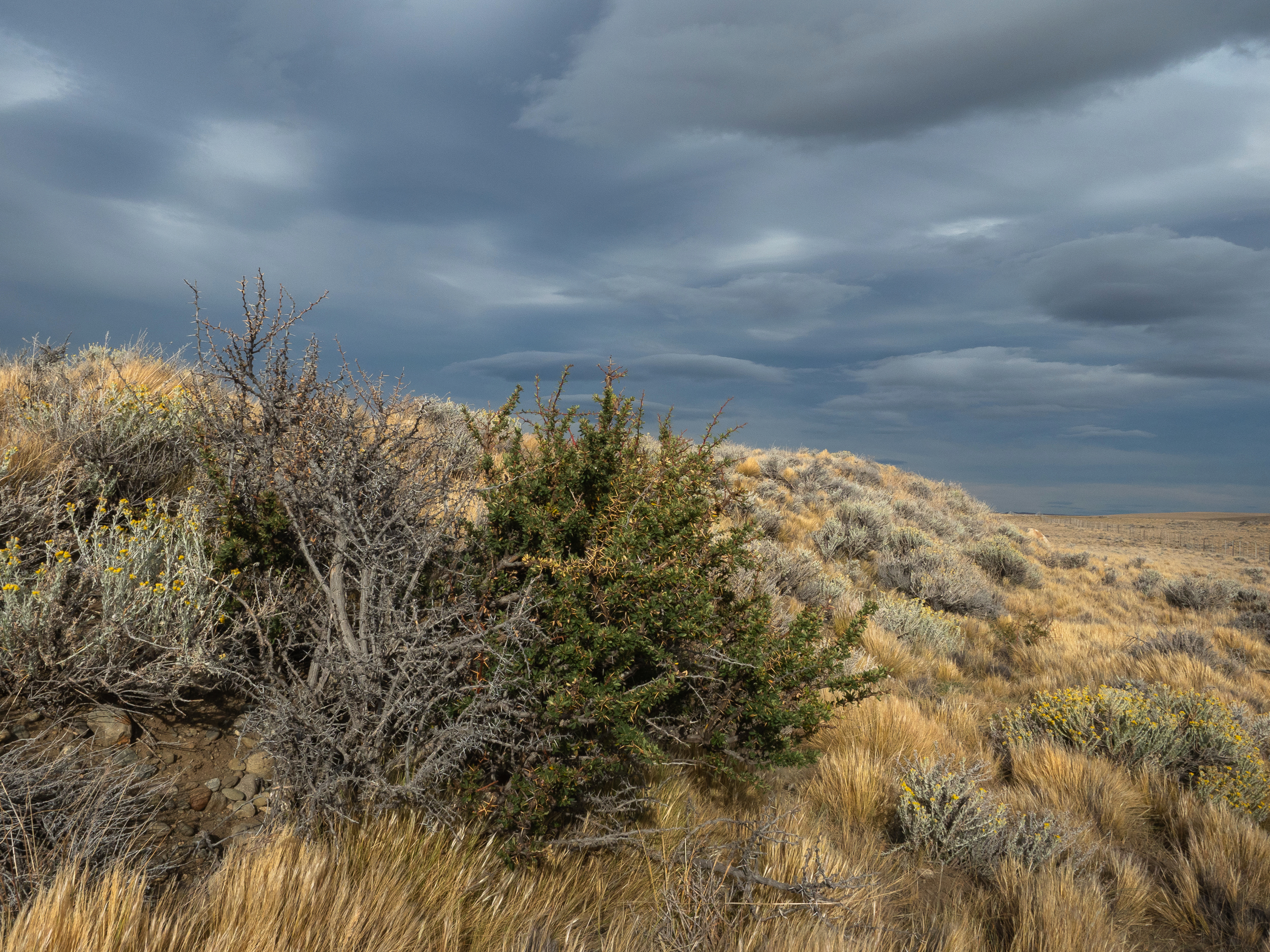
In these desert areas, the vegetation is appropriate — low, drought-resistant grasses and shrubs.
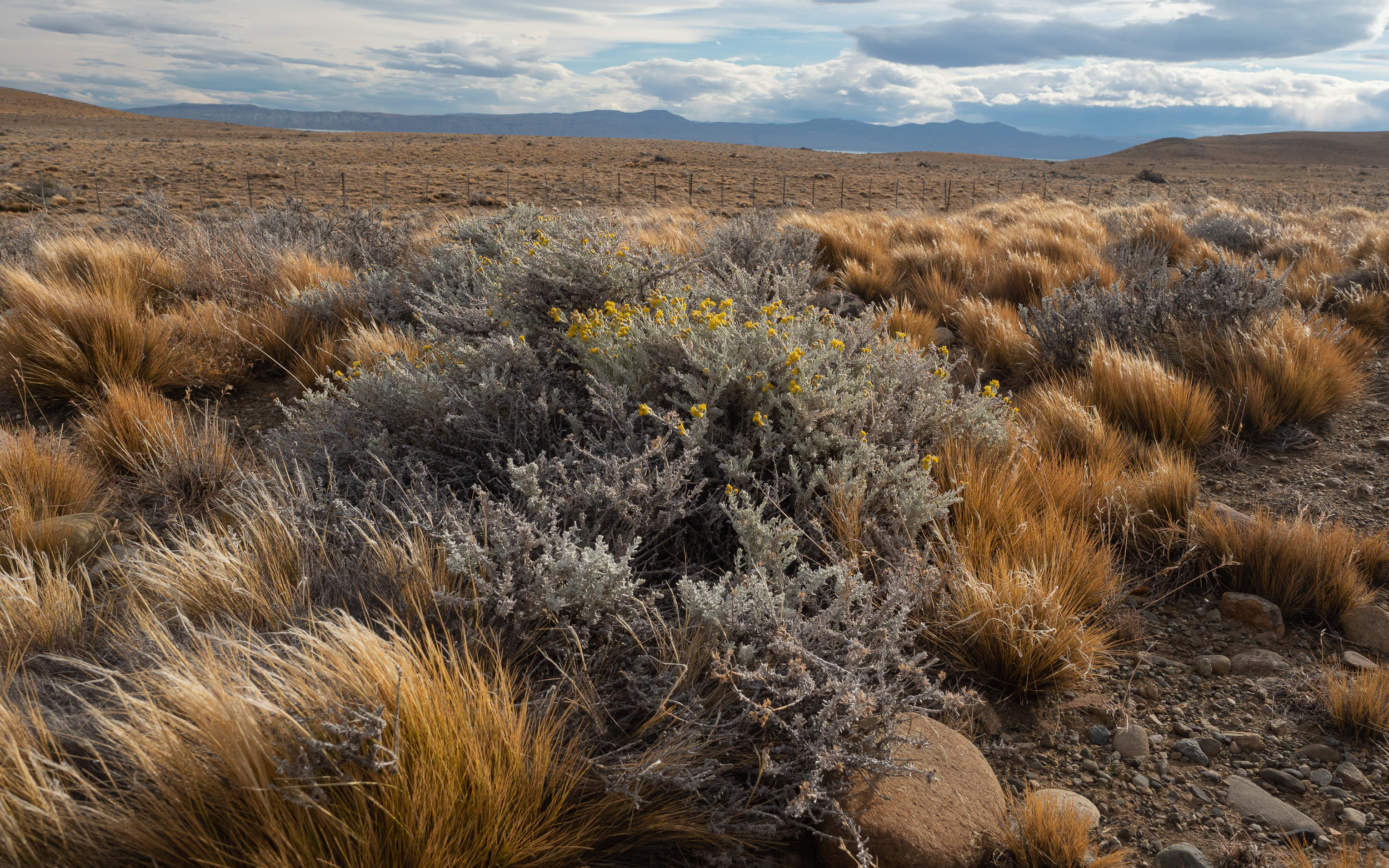
Nevertheless, the plants live there, bloom and delight the eye of travelers. The white-golden grasses swaying in the wind in the sun are quite picturesque.
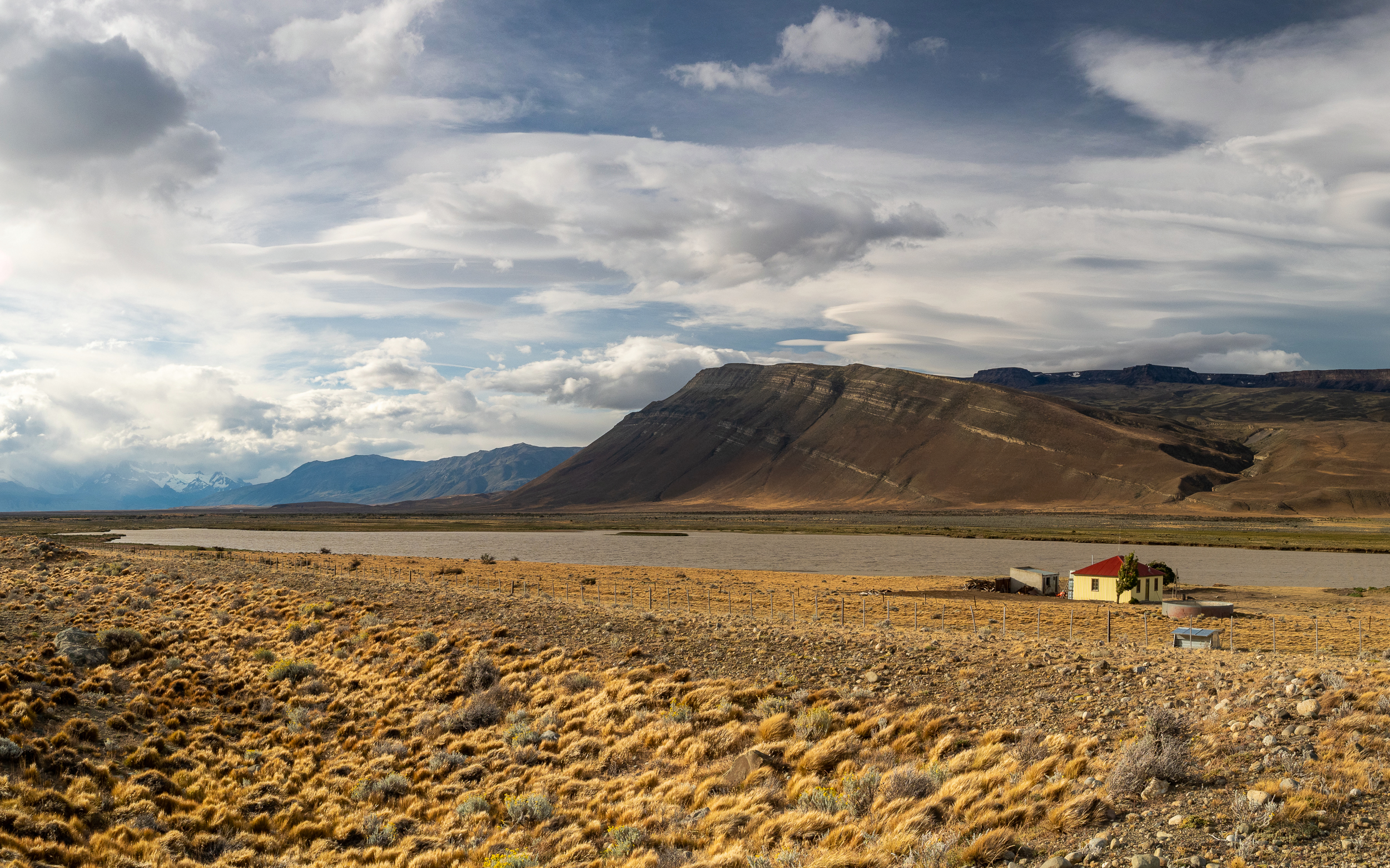
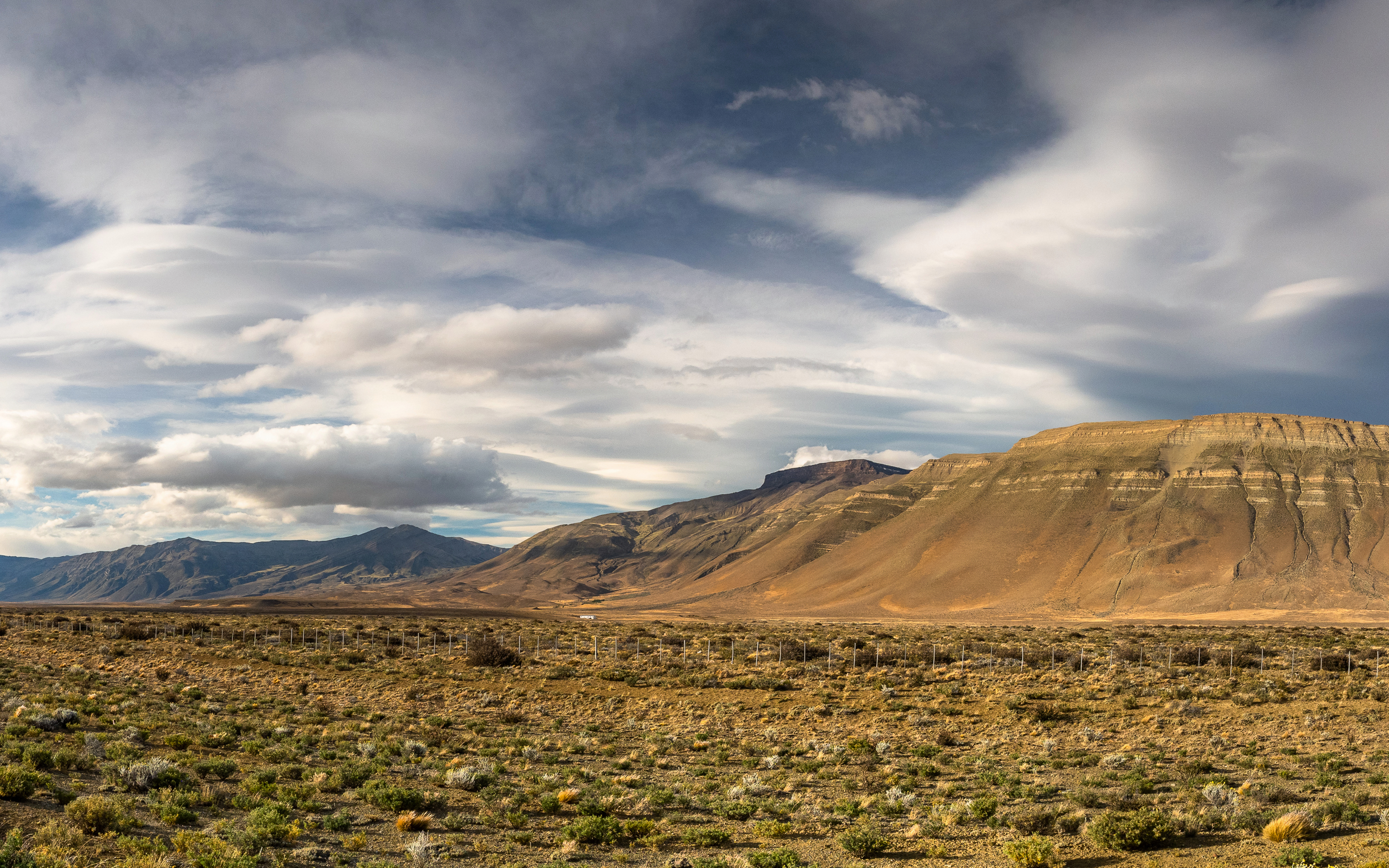
In some places, low mountains appear on the horizon, mostly far away, but sometimes they are nearby.
 |  |
|---|
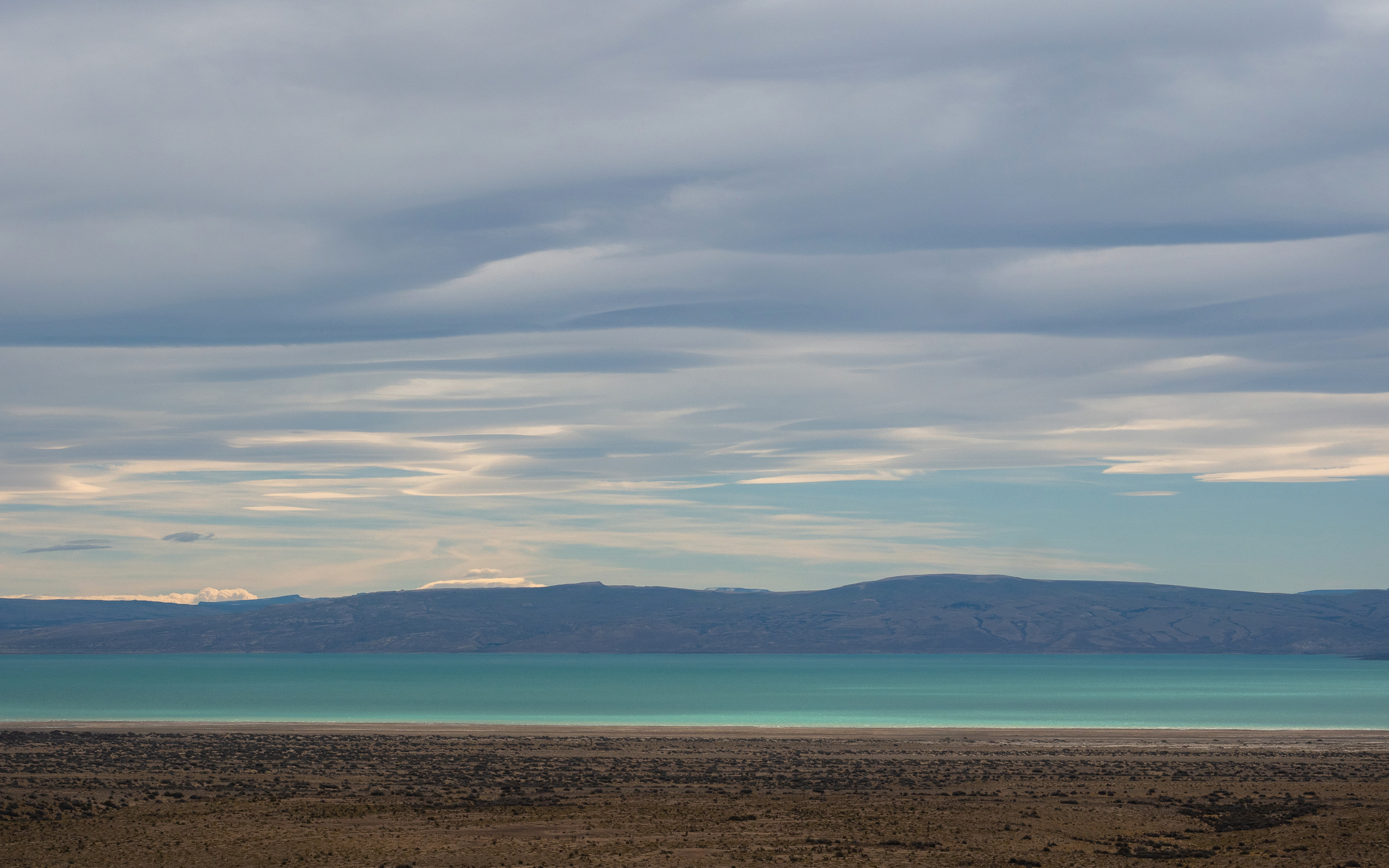
And the lakes and small lagoons that we meet periodically often delight the eye with turquoise water.
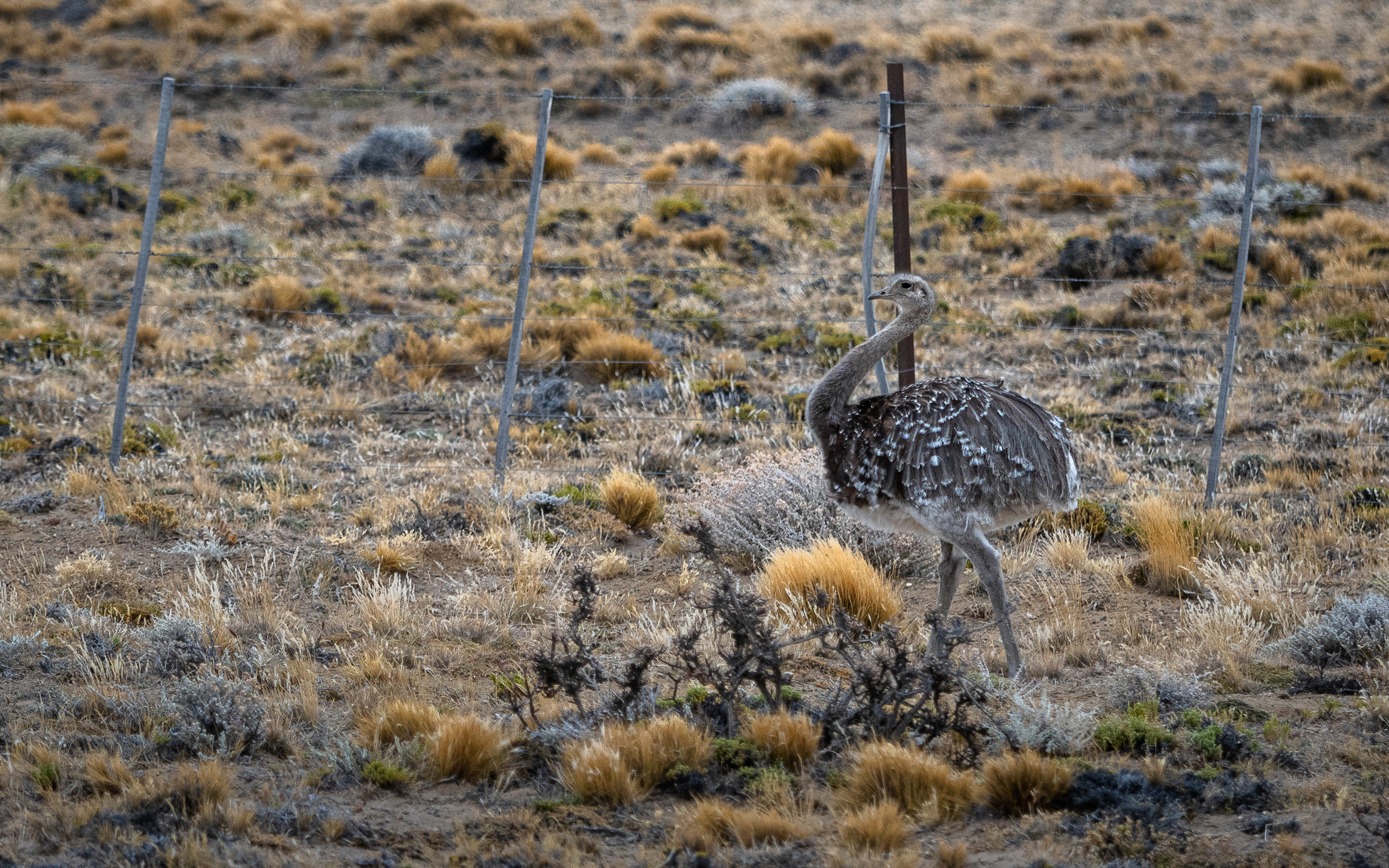
Occasionally, rhea can be seen pacing the plains. They are very similar to ostriches, but still they are a different species. When I saw them, at first I decided that it was an ostrich and was very surprised, but later learned about the very existence of the rhea. They are half the size of ostriches, in addition, rhea have feathers on their necks and three toes, while ostriches have bare necks and two toes. You can't distinguish their fingers in the photo, but you can see the neck :)
In general, the Argentine part of Patagonia has points of active tourist attraction that generates income, most of them are associated with the main attractions such as the Perito Moreno glacier, Mount Fitzroy and other interesting places in the Los Glaciares National Park. However, very few people travel to the Patagonian Desert itself, so the locals there earn livestock and industrial, mainly sheep breeding.
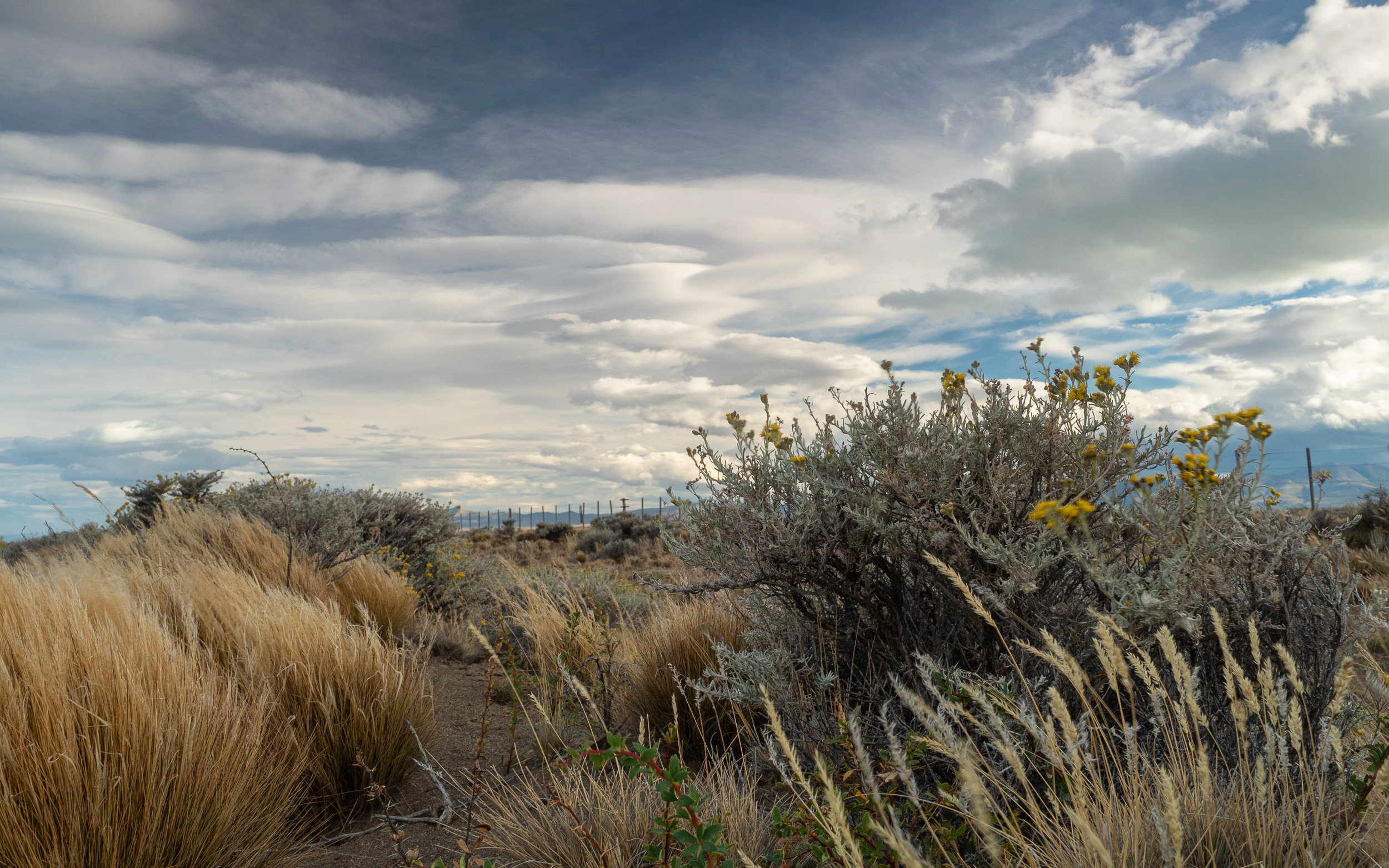
We, like many tourists in Patagonia, in the Argentine part of it focused on the most famous natural attractions, the Perito Moreno Glacier and Mount Fitzroy and its surroundings, so that a fairly large part of the Patagonian Desert (from Lake Buenos Aires to El Calafate) just drove by, periodically stopping to take pictures of these landscapes.
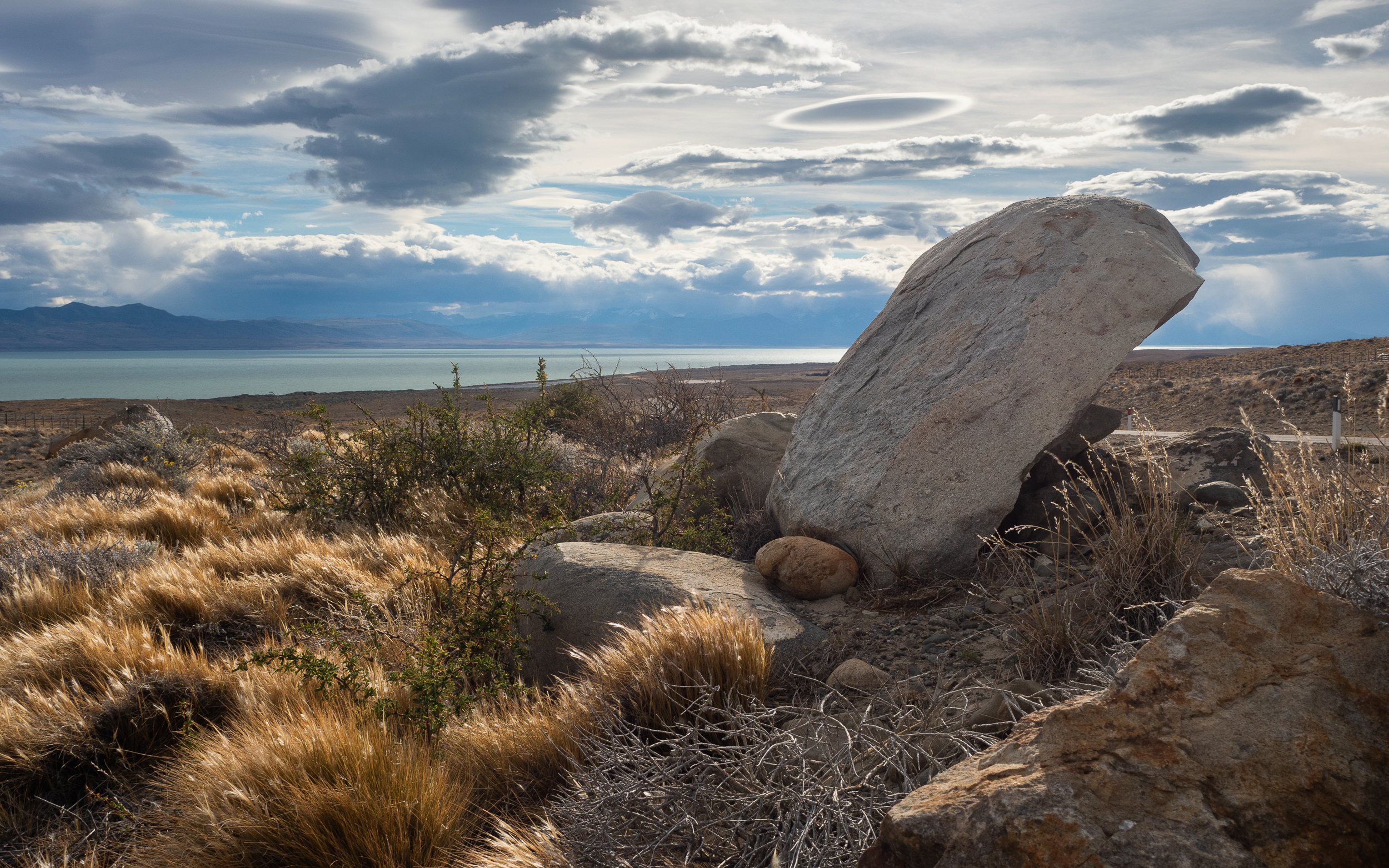
Sometimes the views were rather monotonous, but it was still interesting because of their unusualness and unexpectedness for us.
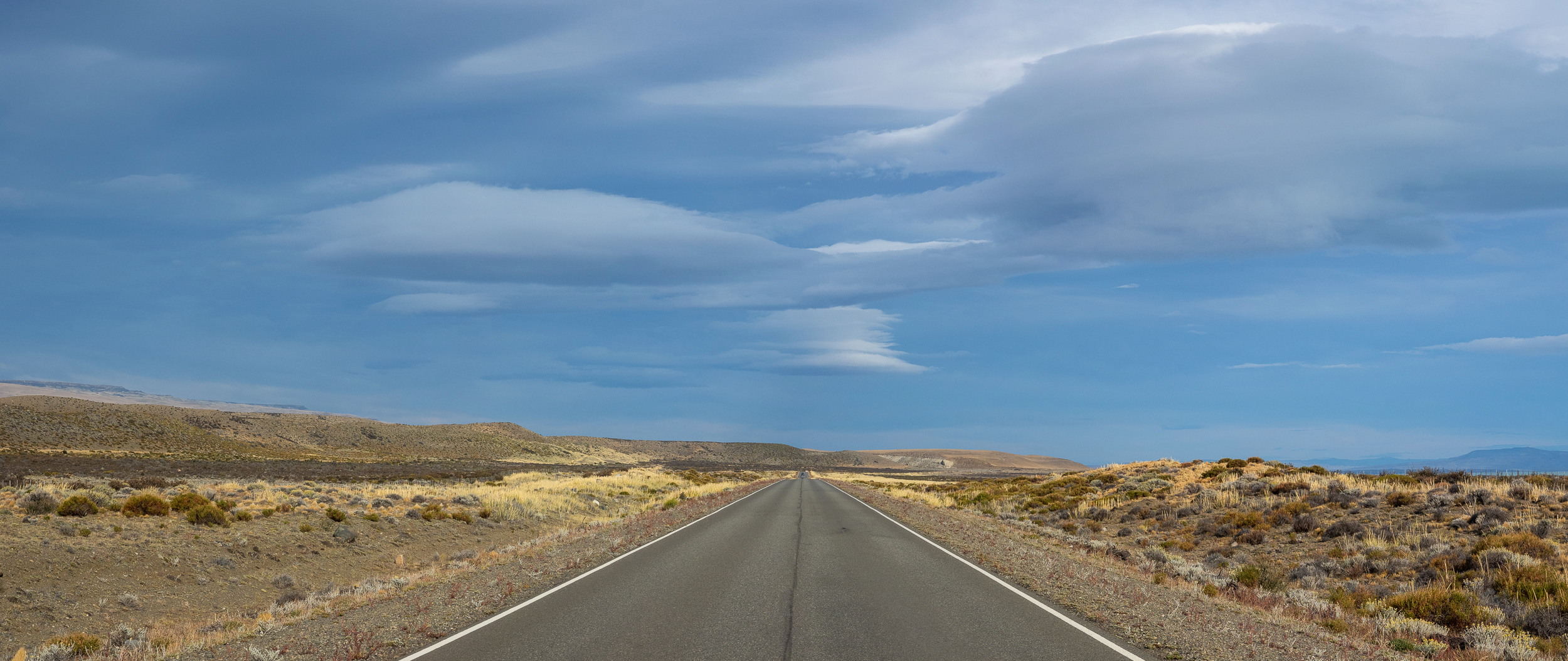
In any case, I am glad that I managed to see them, I remember this desert as an unusual mixture of mountains, turquoise lagoons, cool desert steppes and beautiful clouds with no rain. I hope I managed to convey the atmosphere in the photos. And I'll tell you about my impressions of the main popular sights of Patagonia some other time :)

It's better to watch photos in high resolution.
OLYMPUS E-M1 Mark II
Exposure time: 1/200 sec
Aperture: F 8
Sensitivity: ISO 200
Focal length: 12 mm
35 mm equivalent: 24 mm
You can also see my photos in my blog LJ and in my profile on NatGeo. You can read a short interview with me here.
