
We rush along the shore of the white sea in a race with the tide. It was stupid to come here so spontaneously, not considering that the sea lives here according to its age-old laws and we are just grains of sand on the shore for it. Nevertheless, we managed to drive into the picturesque forest from the coast, having slightly wetted the wheels.
I wonder how long it took ancient people to overcome this surfstrip going to their camp, to which we are now heading.


Historians claim that the first people began to explore these shores at the turn of 3-2 millennia BC. Beautiful places, the coastline is 500 kilometers long, the waters are full of fish, and the forests abound with prey and berries. But the pioneers did not stay here for long, leading a nomadic lifestyle following on. However, the following came after them - Protosaams, then Karelians, and finally Slavs, who realized that it was worth gaining a foothold in these places. Similar villages in the old language are called -Tonya. A place on a river where fishing is done with a net.


Pomors appreciated the convenience of the location of the ancients camps and began to create small villages in their place, suitable for life all year round. In summer they were engaged in fishing, and in winter furs. One of these farms has been restored in the form of a historical museum-hotel here. And all this was done by one person.

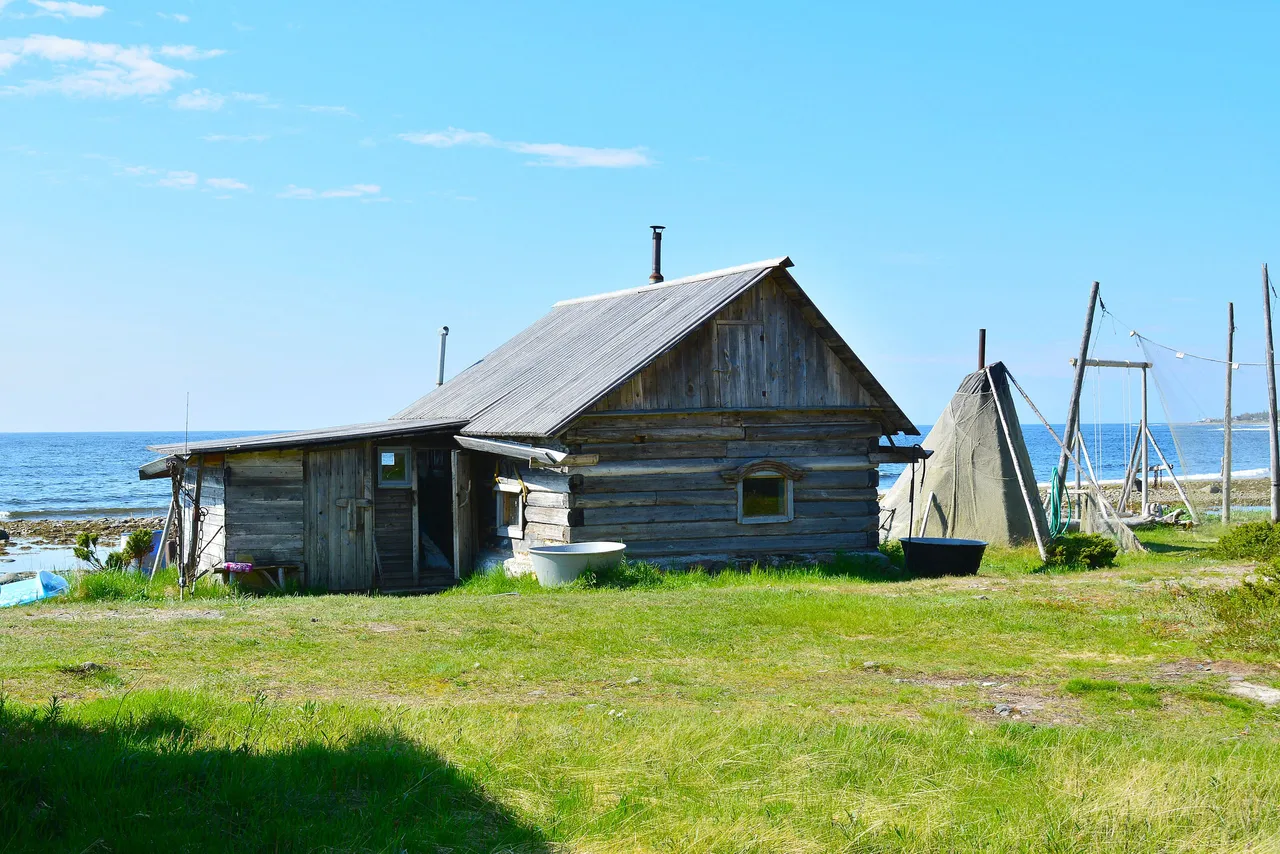


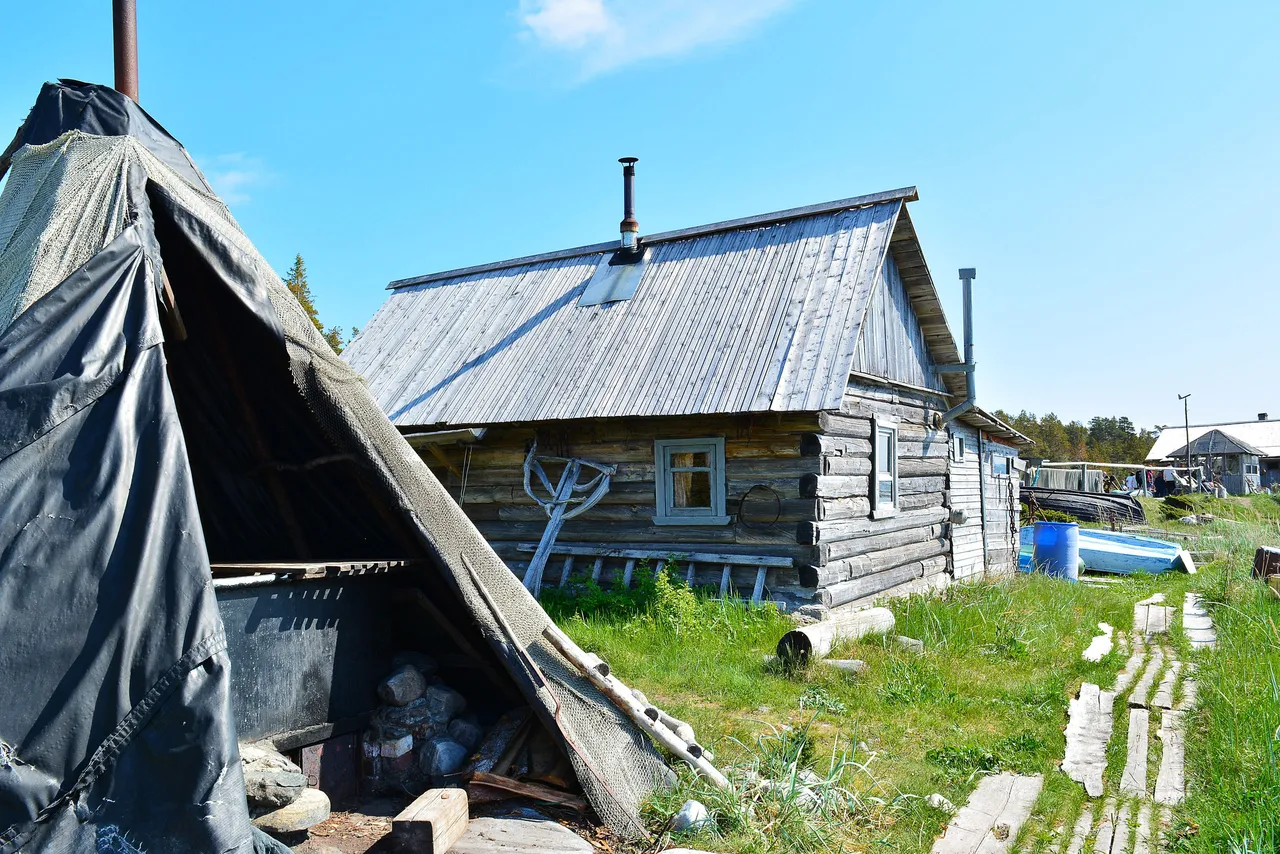
It's a magical place makes you feel very strange, as if you've been here before. Maybe it's the call of the ancestors in the blood. The sea wind, the noise of the forest behind you, and you are frozen in time surrounded by all these objects from the past.


Almost in each of these houses you can stay overnight, and the hospitable owner will feed you delicious fish soup and tell you a lot of interesting things as a guide. He is not the guide whose lecture you get tired of listening to after 5 minutes, on the contrary, you want to listen and listen to him, sitting by the fire, inhaling the smell of earth and wood.


Unfortunately, we were just passing through here and couldn't stay the night. Some of the proposed rooms have attracted our attention. You want to touch almost every object in the interior. Starting from a bear's skull and ending with barrels for storing herring.
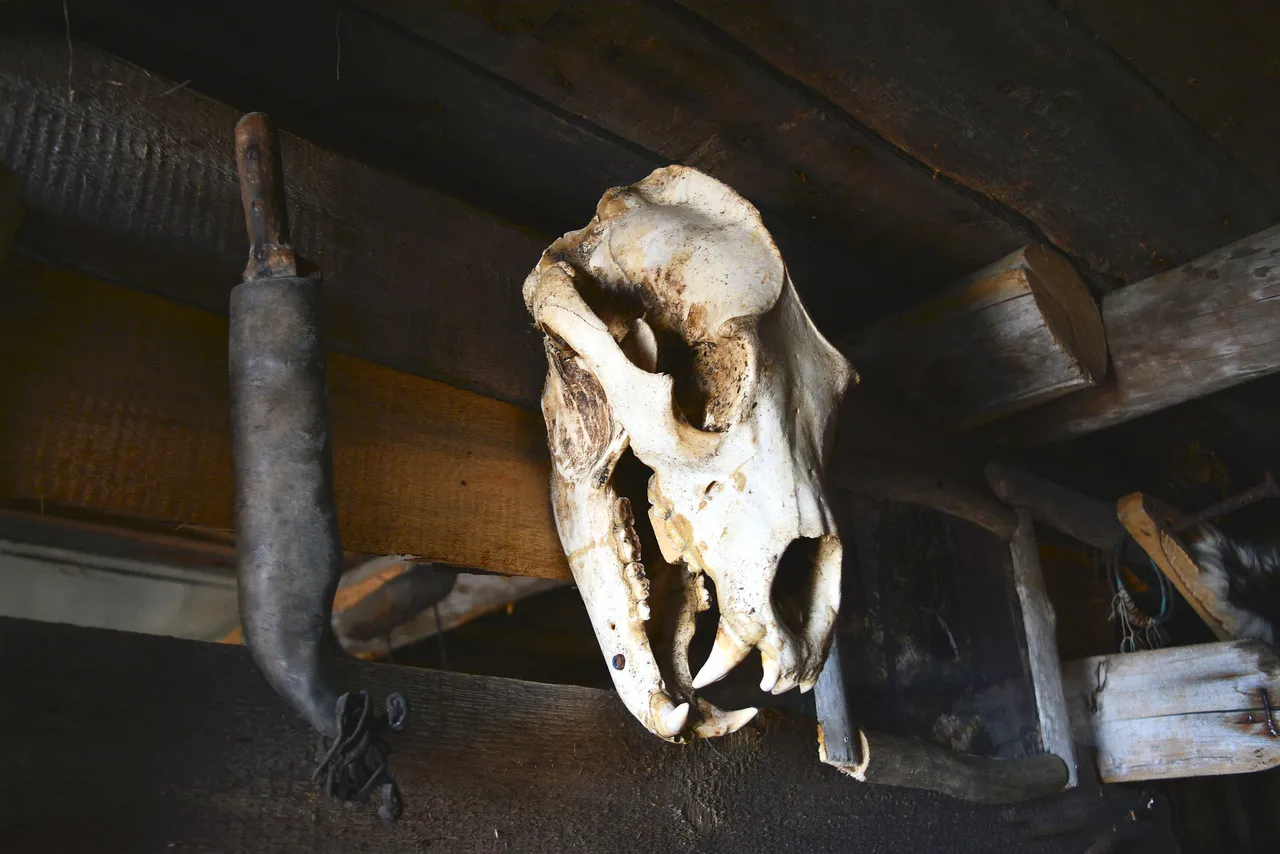


There are a lot of photos and illustrations everywhere, both with the Sami, who were the first to fish here, and with relatively modern fishermen at the turn of the 19th century. In addition to residential buildings, there are also several glaciers for storing food and a wonderful “black” bathhouse.


Wanted to stay here longer, but the tide is going to ebb soon and we need to have time to slip through the open coastline before the sea again pours the way here. It is very difficult to leave these places.


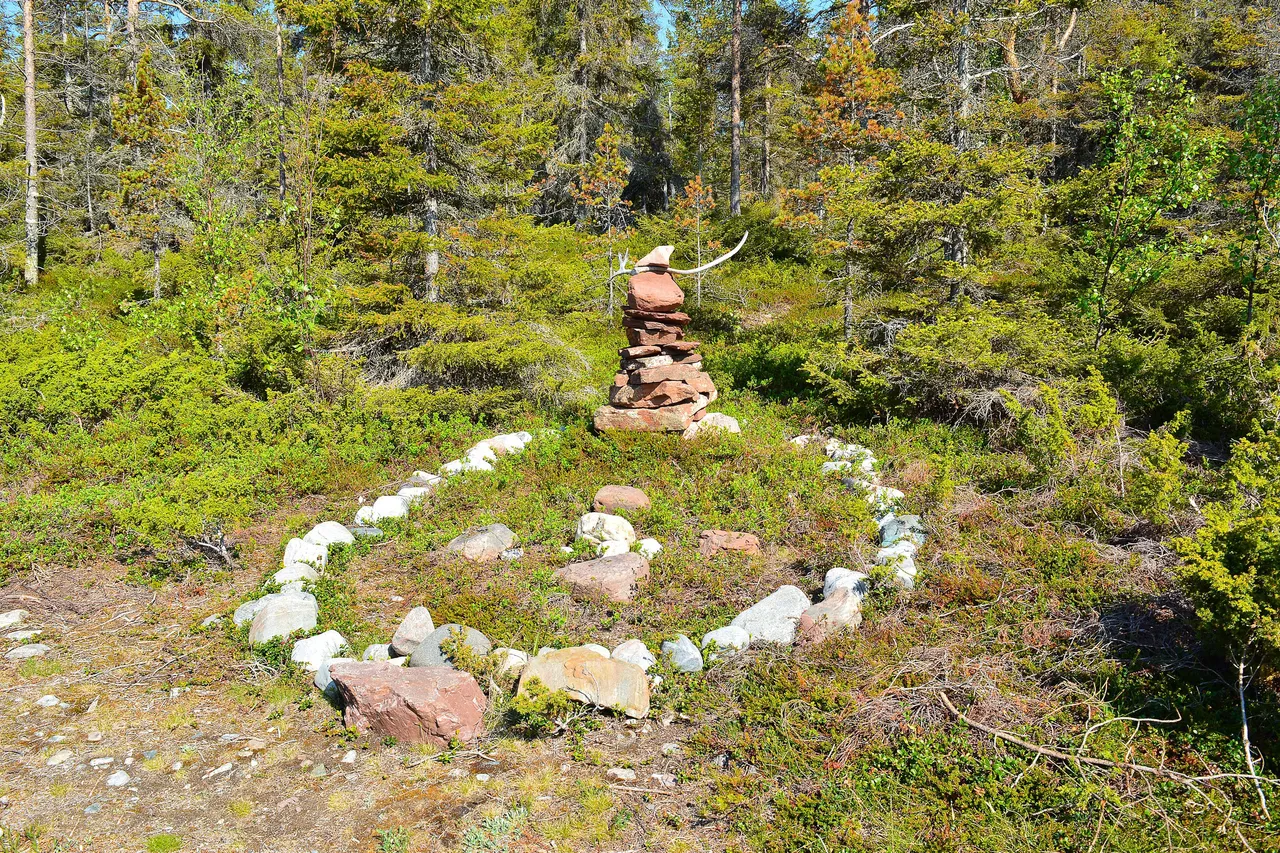

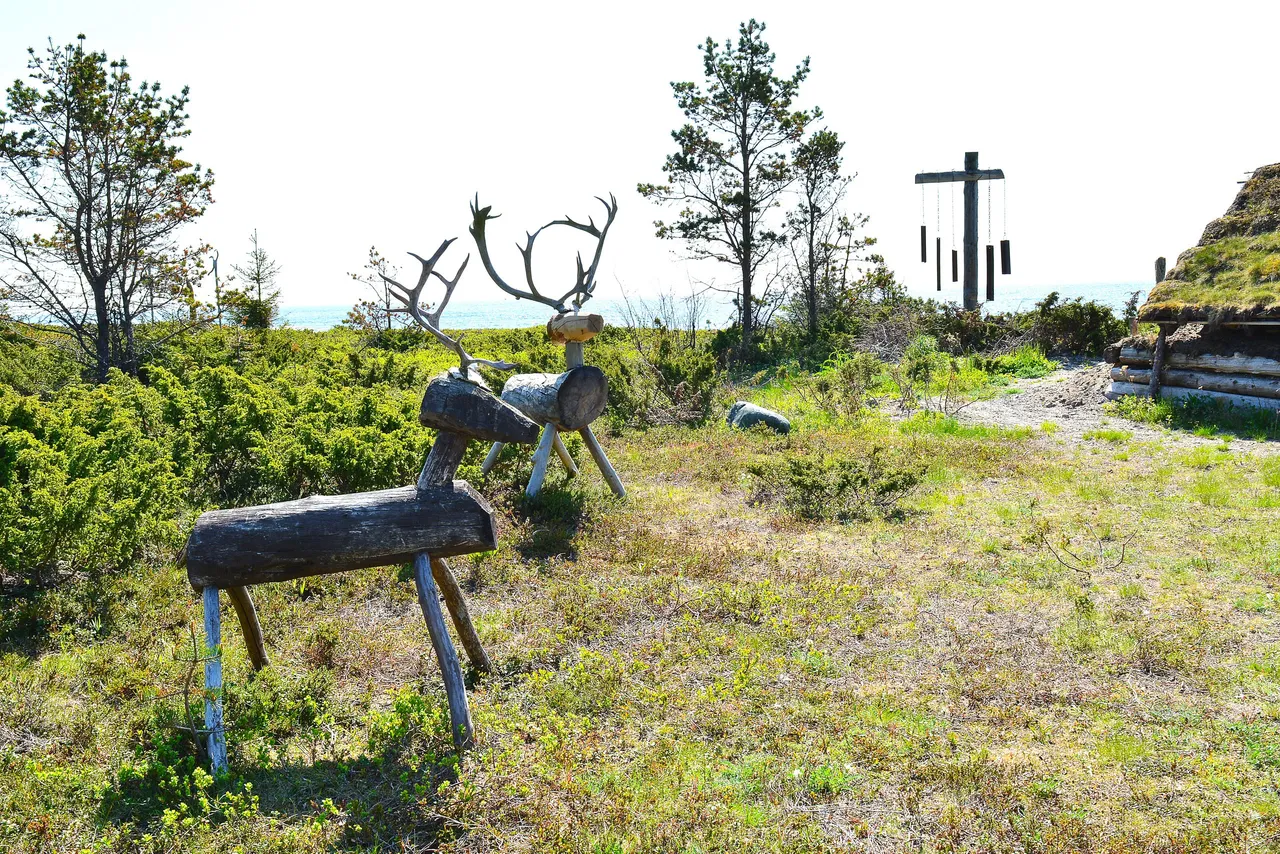

Each building looks very harmonious and natural here. Man-made objects have become part of the landscape and it feels like nature has accepted them. Someday we will stay here not even for one night, but not today. This place will definitely wait for us...
